
Meditation: A Complete Guide to Mindful Practice
Meditation: A Complete Guide to Mindful Practice
Your body remembers everything. The tension from yesterday's deadline sits in your shoulders. Last week's argument tightens your jaw. Years of stress settle into chronic pain that no amount of stretching seems to release.
Your body remembers everything. The tension from yesterday's deadline sits in your shoulders. Last week's argument tightens your jaw. Years of stress settle into chronic pain that no amount of stretching seems to release.
Published on:
Published on:
You instinctively know that healing requires more than treating symptoms. Real recovery happens when mind and body work together.
Meditation offers a research-backed pathway to physical and emotional recovery. By redirecting mental attention with intention, you create measurable changes in stress hormones, brain structure, pain perception, and immune function. This practice works whether you carry physical pain, emotional wounds, or the accumulated weight of daily stress.
In this guide, you'll discover:
What meditation is
Science-backed benefits including pain reduction and immune support
Specific techniques matched to different needs
Practical steps to begin your practice today
Realistic timelines for seeing results
Let's explore how intentional awareness creates the conditions for your body and mind.

What Is Meditation?
Definition and Core Principles
Healing meditation is an intentional mental practice focused on physical, emotional, or spiritual recovery. Unlike general meditation that emphasizes present-moment awareness without specific goals, healing meditation directs attention toward particular areas needing restoration.
The practice combines focused attention with healing intention. You might visualize white light moving through injured tissue, send compassion to emotional pain, or simply observe physical sensations without judgment. This focused awareness creates a bridge between conscious intention and unconscious healing processes.
The foundation rests on a simple principle: where attention goes, physiological changes follow.
How Mind-Body Connection Enables Healing
Your thoughts directly influence your biochemistry. When you perceive threat, your hypothalamus triggers cortisol release. When you feel safe, your parasympathetic nervous system initiates repair processes. This bidirectional highway operates constantly, whether you pay attention or not.
Healing meditation harnesses this connection deliberately. By cultivating calm mental states, you reduce stress hormones that suppress immune function. By visualizing healing, you activate the same neural pathways your brain uses during actual recovery. By releasing resistance to pain, you reduce the suffering that amplifies it.
Your mind shapes your biology more than you might expect. Research shows that meditation affects gene expression, alters brain structure, and changes how your immune system responds to pathogens. These aren't metaphorical effects; they're measurable, reproducible, and clinically significant.
The Science Behind Healing Meditation
When you meditate for healing, specific changes occur in your brain and body. The amygdala, your brain's threat-detection center, shows reduced activity and smaller volume after consistent practice (Rotterdam Study, 2018). This shrinkage isn't damage, it represents reduced stress reactivity.
Meanwhile, the hippocampus, which governs memory and emotional regulation, increases in grey matter density. The prefrontal cortex, responsible for executive function, shows increased cortical thickness. These structural changes support improved emotional control, clearer thinking, and enhanced resilience.
Beyond the brain, meditation reduces cortisol levels measured through blood samples (Health Psychology Review, 2020). It increases CD-4 helper cells that fight infection and boosts antibody production after vaccination (Psychosomatic Medicine, 2003). It even alters gene expression related to inflammation regulation (PNAS, 2021).
These mechanisms explain why a mental practice creates physical healing. Your nervous system doesn't distinguish sharply between imagined and actual experiences. When you visualize healing or cultivate calm, your body responds as if the healing or safety is real.
The Science-Backed Benefits of Healing Meditation
Stress and Anxiety Reduction
Meditation produces medium-sized reductions in cortisol levels, with strongest effects in people facing somatic illness or living in stressful situations (Health Psychology Review, 2020). A 2024 meta-analysis of 58 randomized controlled trials found mindfulness practices most effective at reducing morning cortisol awakening response (Psychoneuroendocrinology, 2024).
Higher mindfulness scores correlate directly with lower resting cortisol levels. When participants increased mindfulness after a three-month retreat, their cortisol levels decreased measurably (UC Davis, 2013). This represents the first study showing a direct relationship between mindfulness practice and stress hormone biomarkers.
Beyond cortisol, meditation produces structural brain changes that reduce anxiety. After just eight weeks of practice, new meditators showed reduced amygdala activity when viewing emotionally charged images (University of Wisconsin-Madison, 2018). Long-term practitioners showed even more dramatic reductions in emotional reactivity.
Key stress reduction benefits include:
Lower baseline anxiety through reduced amygdala reactivity
Improved emotional regulation via strengthened prefrontal cortex
Reduced stress hormone production affecting multiple body systems
Better response to stressors through enhanced nervous system flexibility
Physical Pain Management
Fifteen minutes of mindfulness meditation reduces pain by approximately 30 percent; equivalent to pain relief from 5mg of oxycodone, a common starting dose for pain management (University of Utah, 2024). This reduction isn't placebo effect.
Brain scans reveal that mindfulness meditation engages distinct neural pathways for pain relief compared to placebo (UC San Diego, 2024). The practice creates actual changes in how your brain processes pain signals, not just changes in expectation.
Patients practicing preoperative guided imagery showed 50 percent reduction in anxiety and 25 percent reduction in pain compared to controls (Systematic review, 2019). They also required less pain medication during recovery. For chronic conditions, an eight-week mindfulness programme significantly improved chronic low back pain intensity and function, with benefits sustained after one year (PMC, 2017).
Pain management benefits include:
Reduced pain intensity through altered neural processing
Lower pain medication requirements during recovery
Improved function in daily activities despite chronic conditions
Sustained relief lasting beyond active treatment periods
The mechanism involves changing your relationship with pain sensations. Rather than resisting pain, which amplifies suffering, meditation cultivates observation without reactivity. This reduces the emotional and cognitive layers that transform physical sensation into overwhelming experience.
Immune System Support
Mindfulness meditation reduces inflammatory markers, increases CD-4 helper cells that fight infection, and increases telomerase activity that prevents cellular ageing (Systematic review of 20 RCTs, 2016). These changes occur at the cellular level, affecting how your immune system responds to threats.
Eight weeks of meditation produced significantly larger increases in flu antibody production compared to controls at both four and eight weeks post-vaccination (Psychosomatic Medicine, 2003). Your immune system literally responds more effectively to pathogens after establishing a meditation practice.
Recent research shows even more dramatic effects. A seven-day meditation retreat altered brain networks, immune signals, metabolism, and gene expression (UC San Diego, 2025). Post-retreat blood plasma promoted neuronal growth in laboratory models, suggesting meditation creates systemic biological changes that support healing.
Advanced meditation retreats produce robust activation of the immune system at the genomic level, with changes in gene expression supporting inflammation regulation (PNAS, 2021). This means meditation affects your biology at the most fundamental level- how your DNA expresses itself.
Immune benefits include:
Enhanced pathogen response through increased antibody production
Reduced chronic inflammation at the cellular level
Stronger infection resistance via improved immune cell function
Cellular anti-ageing effects through telomerase activation
Emotional and Psychological Healing
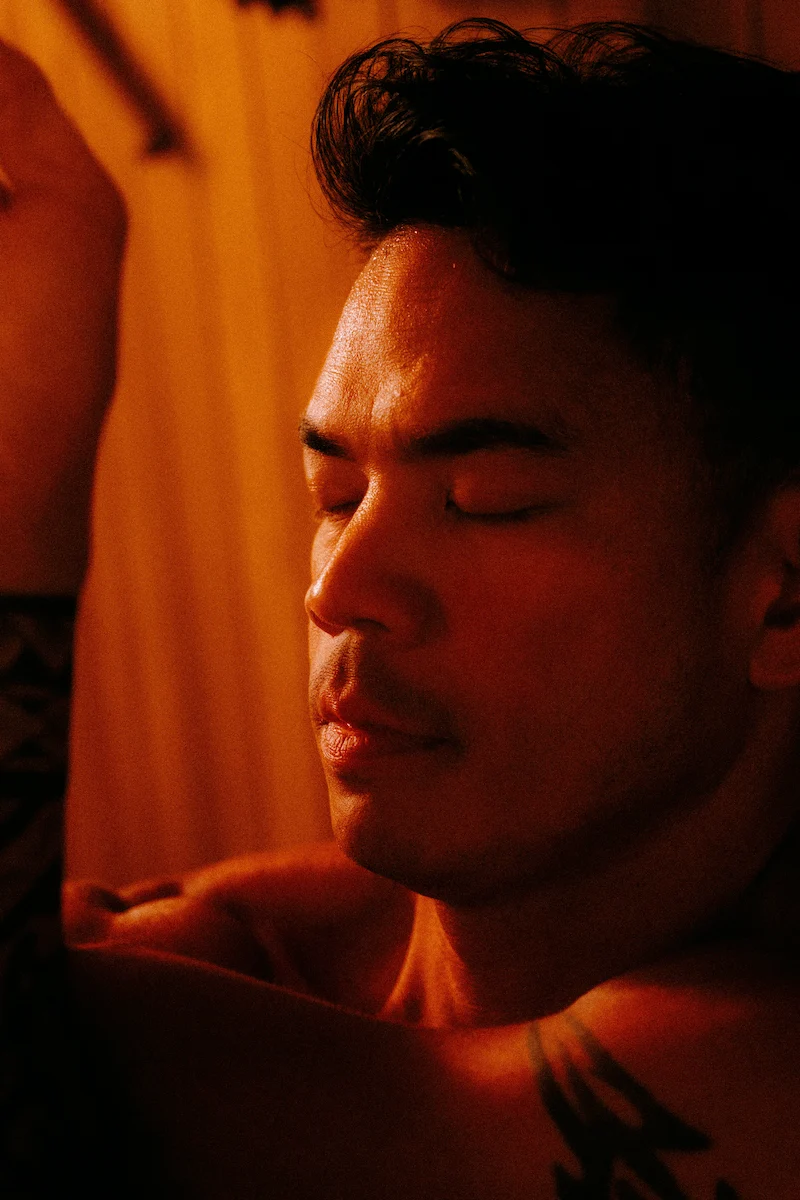
Loving-kindness meditation induces neural changes in beta and gamma brain wave activity in the amygdala and hippocampus; even in first-time meditators (PNAS, 2025). These regions govern emotional processing and memory formation. Changes here support healing from trauma, reducing depression symptoms, and improving emotional regulation.
The practice cultivates positive emotions with therapeutic potential. By repeatedly directing compassion toward yourself and others, you strengthen neural pathways associated with empathy, connection, and emotional warmth. This creates a buffer against rumination, self-criticism, and emotional reactivity.
Meditation helps process difficult emotions without becoming overwhelmed. Instead of suppressing feelings or being swept away by them, you develop the capacity to observe emotions as temporary experiences. This skill proves invaluable when healing from grief, trauma, or relationship wounds.
Emotional healing benefits include:
Reduced depression symptoms through altered brain activity patterns
Improved trauma recovery via decreased amygdala reactivity
Enhanced self-compassion through directed kindness practices
Better emotional regulation in daily challenges
Sleep Quality Improvements
Meditation activates your parasympathetic nervous system, shifting you from "fight or flight" into "rest and digest" mode. This transition prepares your body for restorative sleep. Evening meditation reduces the mental chatter and physical tension that keep many people awake.
The practice also regulates cortisol rhythms, supporting healthy sleep-wake cycles. By reducing overall stress levels, meditation addresses one of the primary causes of chronic insomnia. Many practitioners report falling asleep more easily and waking less frequently through the night.
Sleep improvements often emerge within the first few weeks of consistent practice, making this one of the earliest noticeable benefits.

Types of Healing Meditation Techniques
Different techniques serve different healing needs. The key is matching your practice to your intention. While all meditation creates beneficial changes, specific approaches target particular concerns more effectively.
Mindfulness Meditation for Present-Moment Awareness
Mindfulness meditation anchors attention in present experience without judgment. You observe thoughts, sensations, and emotions as they arise, neither pushing them away nor clinging to them. This creates spaciousness around difficult experiences.
When to use this technique:
Managing anxiety and racing thoughts
Developing emotional regulation skills
Reducing stress reactivity
Building general mental resilience
Basic practice:
Sit comfortably with eyes closed or softly focused
Bring attention to your breath moving naturally
When your mind wanders, gently return to breath sensation
Notice thoughts and feelings without engaging with them
Continue for your chosen duration
The practice builds the skill of non-reactive awareness. Rather than being carried away by anxious thoughts or painful emotions, you learn to observe them as temporary mental events. This fundamentally changes your relationship with internal experience.
Guided Visualization for Targeted Healing
Visualization directs mental imagery toward specific healing outcomes. You imagine white light moving through injured tissue, envision tumors shrinking, or picture stress dissolving from tense muscles. Your brain activates similar neural pathways whether you imagine healing or experience it.
When to use this technique:
Healing from injury or surgery
Managing chronic illness
Targeting specific pain areas
Supporting medical treatments
Example healing visualization:
Close your eyes and take three deep breaths. Imagine warm, golden light entering through the crown of your head. This light carries healing energy. Guide it down through your body toward the area needing attention.
See the light surrounding the injured tissue, muscle, or organ. Watch it gently dissolving tension, inflammation, or pain. The light knows exactly where to go and what to do. Trust the process.
Visualize healthy cells multiplying, damaged tissue repairing, systems returning to balance. Spend several minutes with this image, reinforcing healing with each breath.
Before finishing, thank your body for its wisdom and resilience. Open your eyes slowly.
Patients practicing preoperative guided imagery showed 50 percent reduction in anxiety and 25 percent reduction in pain compared to controls (Systematic review, 2019). The more vivid and detailed your visualization, the more effectively it engages your nervous system's healing responses.
Body Scan Meditation for Physical Awareness
Body scan systematically moves attention through each body region, observing sensations without trying to change them. This practice builds somatic awareness, understanding what your body communicates through sensation.
When to use this technique:
Chronic pain management
Releasing physical tension
Developing mind-body connection
Identifying where stress lives in your body
Basic body scan sequence:
Lie comfortably on your back
Begin with attention on your toes
Notice any sensations; warmth, tingling, pressure, or nothing at all
Breathe into that area, then release attention
Move systematically up through feet, ankles, calves, knees, thighs
Continue through pelvis, abdomen, chest, back, shoulders
Scan down each arm to fingertips
Finish with neck, face, and crown of head
Body scan meditation reduces pain intensity and enhances quality of life in people with persistent low back pain (PMC, 2023). The practice teaches you to observe pain sensations without the resistance that amplifies suffering. Over time, this changes how you experience chronic discomfort.
Loving-Kindness Meditation for Emotional Healing
Loving-kindness meditation (LKM) cultivates compassion toward yourself and others through repeated phrases. It addresses emotional wounds, relationship pain, and self-criticism by deliberately generating warmth and acceptance.
When to use this technique:
Healing from relationship wounds
Developing self-compassion
Processing grief or loss
Reducing anger and resentment
Basic loving-kindness practice:
Sit comfortably and bring to mind someone you love easily
Silently repeat phrases toward them:
May you be safe
May you be healthy
May you be peaceful
May you live with ease
Feel the warmth of these wishes
Direct the same phrases toward yourself
Extend them to a neutral person, then someone difficult
Finally, send them to all beings everywhere
Loving-kindness meditation produces therapeutic effects through direct influence on amygdala and hippocampus activity (PNAS, 2025). Even first-time practitioners show neural changes after a single session. Regular practice strengthens neural pathways associated with empathy, compassion, and emotional connection.
Breath-Focused Practices for Nervous System Regulation
Breath serves as a direct line to your autonomic nervous system. By changing breathing patterns, you shift from sympathetic (stress) to parasympathetic (calm) activation. This makes breath work invaluable for acute stress and anxiety.
When to use this technique:
Managing acute anxiety or panic
Calming before sleep
Immediate stress relief
Grounding during overwhelm
4-7-8 Breathing technique:
Exhale completely through your mouth
Inhale through your nose for 4 counts
Hold breath for 7 counts
Exhale through mouth for 8 counts
Repeat for 4-8 cycles
The extended exhale activates your vagus nerve, triggering relaxation responses throughout your body. Heart rate slows, blood pressure drops, and stress hormones decrease. This technique works within minutes, making it ideal for immediate relief.

How to Practice Healing Meditation: A Step-by-Step Guide
Healing meditation is accessible regardless of your experience level. You need no special equipment, training, or belief system. The practice works through consistent attention, not perfection.
Creating Your Healing Space
Your environment influences how deeply you settle into practice. While meditation works anywhere, intentional space design removes obstacles and signals to your nervous system that it's time to shift gears.
Essential elements:
Quiet location where you won't be interrupted
Comfortable temperature that doesn't distract
Minimal visual clutter to reduce mental stimulation
Soft, natural lighting if practicing with eyes open
Optional enhancements:
Specific scent (essential oils, incense) that signals practice time
Comfortable cushion or chair supporting proper posture
Gentle ambient sound or intentional silence
Temperature variation through warm blankets or cool air
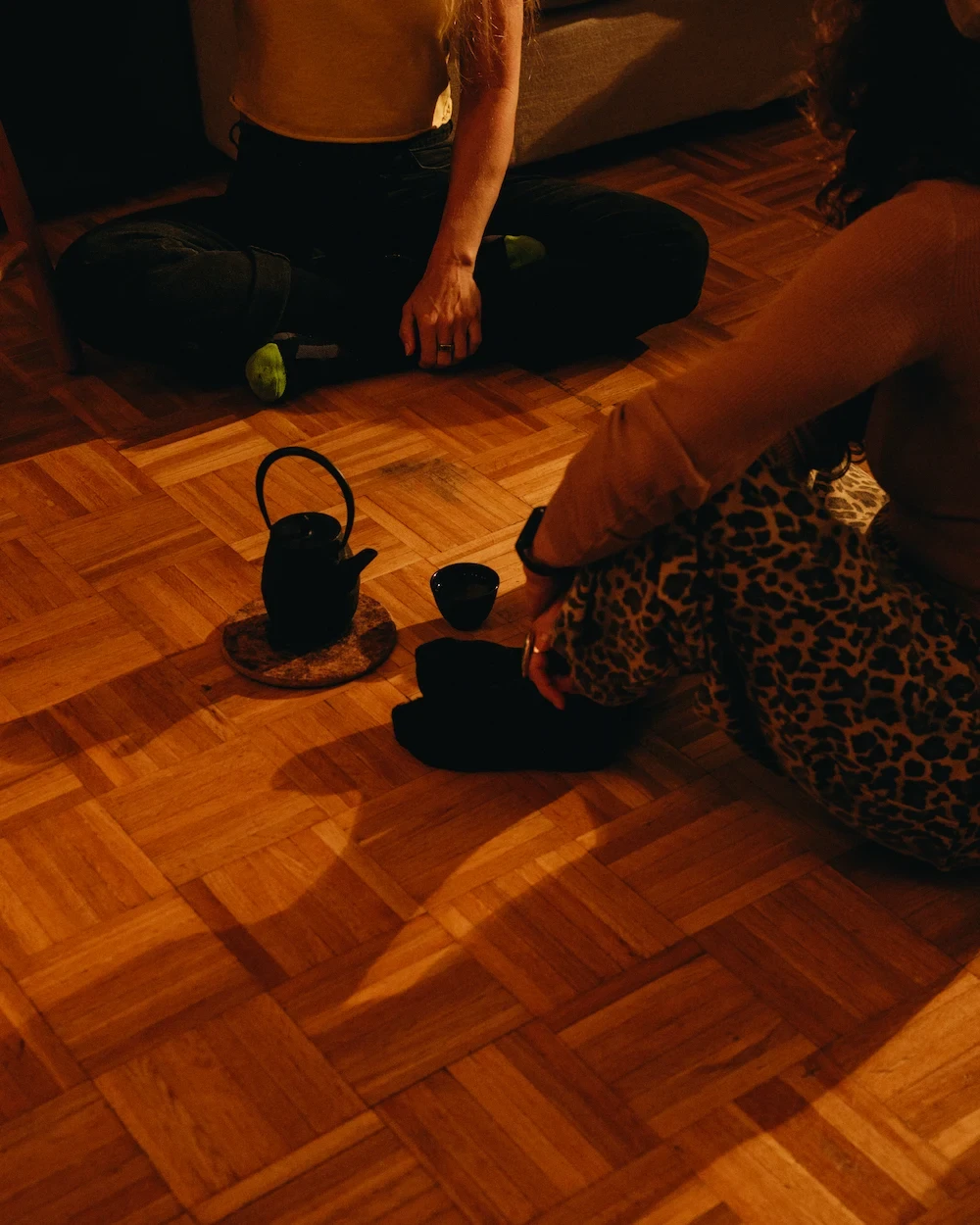
Some practitioners find that sensory elements deepen their practice. The warmth of a heated space can enhance relaxation, making it easier to release muscular tension. The contrast of cool air on your face while your body stays warm creates a tangible anchor for wandering attention.
Sound also shapes experience. Ambient music, singing bowls, or nature sounds can guide you into meditative states. Alternatively, complete silence allows you to hear your own breath and internal rhythms.
The goal is removing barriers between intention and practice. When your space feels welcoming, you're more likely to return consistently.
Choosing Your Technique
Match your meditation technique to your healing intention. This decision framework helps you select the most effective approach.
Decision guide:
Your Primary Need | Recommended Technique | Why It Works |
|---|---|---|
Stress and anxiety | Mindfulness or breath focus | Calms nervous system, reduces cortisol |
Physical pain | Body scan or visualization | Changes pain perception, reduces resistance |
Emotional wounds | Loving-kindness | Activates compassion circuits, heals relationships |
Chronic illness | Guided visualization | Engages healing imagery, supports medical treatment |
Acute overwhelm | Breath-focused practice | Immediate nervous system regulation |
General healing | Any technique consistently | All approaches create beneficial changes |
You can combine techniques within a single session. Start with breath awareness to settle, move into body scan or visualization for targeted work, and close with loving-kindness to integrate the experience.
Trust your intuition. The technique that appeals to you will likely serve you well.
Basic Practice Steps for Beginners
These universal steps apply across most meditation techniques. They create a container for your practice, regardless of which specific method you choose.
Five-step practice structure:
Find your position — Sit on a cushion or chair with spine naturally upright. Lying down works but may lead to sleep. Support your body so you can stay still comfortably.
Set healing intention — Clearly state what you're working toward. This might be "healing my lower back pain," "releasing grief," or "supporting my immune system during treatment." Intention directs your attention throughout the session.
Begin with breath awareness — Spend some time simply observing your natural breathing. This settles your mind and transitions you from doing to being mode.
Apply your chosen technique — Move into mindfulness, visualization, body scan, loving-kindness, or breath work. Stay with this for the main portion of your practice time.
Close with integration — Take a moment to notice how you feel. Express gratitude to yourself for showing up. Open your eyes slowly and transition gently back into activity.
This structure takes you from external awareness into internal focus, through your healing work, and back to everyday consciousness. The transitions matter as much as the core practice.
Guided vs. Self-Directed Practice
Both guided and solo meditation create healing benefits. Understanding when to use each approach helps you progress effectively.
Guided practice benefits:
Learn proper technique from experienced teachers
Maintain focus through external structure
Access deeper states through facilitated journeys
Build confidence before practicing alone
Experience immersive environments with sound, temperature, and ritual
Self-directed practice benefits:
Develop personal intuition about what you need
Practice on your own schedule anywhere, anytime
Respond flexibly to what arises in the moment
Cultivate self-reliance in your healing journey
Deepen into your natural rhythm without external pacing
Most practitioners benefit from both. Guided sessions; whether through apps, recordings, or in-person facilitators, teach fundamentals and provide accountability. They create containers where you can surrender to the process without managing it yourself.
Solo practice builds self-trust and flexibility. As you gain experience, you develop instinct for what type of meditation serves you in any given moment. You learn to guide yourself through difficult experiences without external support.
A common progression: begin with guided sessions to establish technique, gradually incorporate solo practice, then alternate between both depending on your needs. Guided sessions remain valuable even for experienced practitioners when you want to go deeper or be held by professional facilitation.
Enhancing Your Healing Meditation Practice
Once you establish basic practice, these enhancements deepen your experience and amplify healing effects.
Integrating Physical Practices
Meditation works synergistically with movement and temperature therapies. The combination creates what practitioners call embodied awareness, healing that engages your whole system, not just your mind.
Complementary physical practices:
Gentle yoga — Stretching releases muscular holding patterns that store stress. Moving mindfully before meditation prepares your body to settle.
Heat exposure — Warmth relaxes muscles, increases circulation, and signals safety to your nervous system. Practicing meditation in heated environments can enhance the release of physical tension. The warmth becomes an anchor for attention, similar to breath.
Cold exposure — Brief cold immersion activates your nervous system differently, creating alertness followed by deep calm. The contrast between temperatures acts as a powerful meditation object—you practice equanimity with intense sensation.
Walking meditation — Slow, deliberate movement keeps energy flowing while maintaining meditative awareness. This works well when sitting feels too sedentary.
Contrast therapy; moving between heat and cold, trains your nervous system to regulate itself more effectively. The practice of staying present with intense sensations builds resilience that transfers to emotional challenges. You learn that discomfort is temporary, that you can observe without reacting, and that your body knows how to return to balance.
Some practitioners find that physical practices provide tangible sensations to anchor awareness. If your mind wanders during seated meditation, the distinct feeling of warmth, cold, or movement gives you something concrete to return to.

Using Sound and Music
Sound influences brain wave patterns and emotional states. Strategic use of audio environments can deepen meditative experiences.
Sound options for healing meditation:
Silence — Allows you to hear internal rhythms and subtle sensations
Nature sounds — Ocean waves, rain, or forest ambience reduce mental stimulation
Ambient music — Slow, textural compositions without lyrics support focus
Binaural beats — Different frequencies in each ear encourage specific brain wave states
Singing bowls — Resonant tones create physical vibration you can feel in your body
Guided recordings — Voice instruction provides structure and direction
Sound creates atmosphere without requiring effort from you. Unlike visual stimuli that demand processing, audio environments wash over you. This makes sound particularly valuable when your mind feels too active for silence.
Transformative soundscapes can carry you into states difficult to access alone. Skilled facilitators use music, rhythm, and resonance to guide groups through emotional landscapes. The shared experience amplifies individual work through collective energy.
The Role of Ritual and Intention-Setting
Ritual creates a psychological container that signals transition from ordinary consciousness to healing space. Simple ceremonial acts prepare your nervous system to receive the practice.
Ritual elements that enhance practice:
Lighting a candle — Marks the beginning and end of practice time
Burning incense or essential oils — Engages olfactory memory, cueing relaxation
Setting explicit intention — Clearly stating your healing focus before beginning
Creating altar space — Physical location dedicated solely to practice
Closing gesture — Bowing, hand over heart, or gratitude expression
These acts aren't superstitious—they leverage how your brain creates associations. When you repeatedly light a candle before meditating, the flame itself begins triggering relaxation responses. Your nervous system learns the sequence and anticipates what comes next.
European sauna traditions understood this principle. German Aufguss rituals combine heat, scent, and rhythmic movement into ceremonies that honour the healing process. Russian Banya practices incorporate intentional rest cycles, recognizing that restoration requires structure. These traditions demonstrate how ritual amplifies what would otherwise be simple heat exposure.
You can draw from cultural wisdom while creating personal ritual. The key is consistency—repeating the same opening and closing gestures until they become psychological anchors for your practice.
Solo Practice vs. Community Meditation
Both individual and group meditation offer distinct benefits. Neither is superior—they serve different aspects of the healing journey.
Solo practice strengths:
Personal pacing — Move at your own rhythm without external timing
Flexible response — Adapt technique to what arises in the moment
Privacy — Process vulnerable emotions without social awareness
Schedule freedom — Practice whenever and wherever you choose
Community meditation strengths:
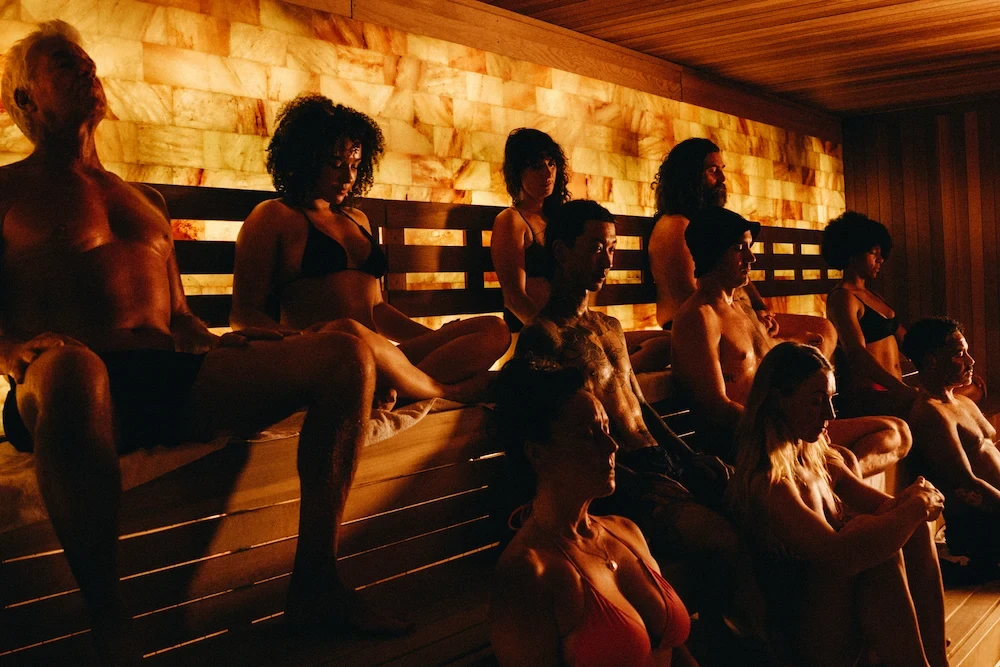
Shared energy — Group focus creates amplified field effect
Accountability — Scheduled sessions encourage consistency
Learning opportunities — Observe how others approach practice
Reduced isolation — Connect with others on healing paths
Facilitated depth — Experienced guides hold space for deeper work
Some find that sitting with others helps them access states difficult to reach alone. The collective intention creates momentum that carries individuals beyond their usual limits. Silent group practice offers the paradox of being alone together—supported without needing to perform.
Others prefer the intimacy of solo practice, where nothing comes between them and their internal experience. The absence of social awareness allows complete vulnerability.
Most practitioners benefit from both. Solo practice builds self-reliance. Group practice provides connection and guidance. Together, they create a complete approach to healing meditation.
What to Expect: Realistic Timelines and Progress
Understanding typical progression helps you recognize signs of progress and maintain realistic expectations. Healing unfolds at its own pace, but general patterns emerge across practitioners.
Immediate Effects (First Session)
Even your first meditation creates noticeable changes. Within minutes of beginning practice, your heart rate decreases. Blood pressure drops slightly. Stress hormones begin declining. These physiological shifts occur whether you "feel" like you're meditating well or not.
You may experience present-moment clarity, a temporary break from your usual mental chatter. Some people report emotional release, sudden insight, or profound peace. Others notice nothing special. Both experiences are normal.
Common immediate effects:
Temporary stress relief
Physical relaxation
Mental quiet (even if brief)
Awareness of how much tension you carry
Don't judge your practice by immediate experiences. The absence of dramatic effects doesn't mean nothing is happening. Subtle changes at the nervous system level begin instantly, long before conscious awareness notices them.
Short-Term Benefits (1-4 Weeks)
The first month of consistent practice brings more obvious changes. Sleep often improves within the first two weeks. You may notice you fall asleep faster, wake less frequently, or feel more rested.
Stress resilience increases. Situations that previously triggered intense reactions begin feeling more manageable. You catch yourself pausing before responding to provocation. This increased space between stimulus and response represents early emotional regulation improvements.
Physical tension patterns start releasing. Chronic shoulder tightness might ease. Jaw clenching may reduce. These changes reflect your nervous system beginning to trust that it's safe to let go of protective holding patterns.
Typical short-term changes:
Improved sleep quality and duration
Better stress management in daily situations
Increased self-awareness of thoughts and reactions
Some reduction in chronic tension patterns
Medium-Term Changes (8-12 Weeks)
Two to three months of consistent practice produces measurable biological changes. This timeline reflects standard mindfulness-based stress reduction programmes that show documented benefits.
Cortisol levels decrease measurably in blood tests. Brain imaging reveals initial structural changes, reduced amygdala volume and increased hippocampal grey matter. These aren't subtle effects. They represent real neurological reorganization.
Chronic pain intensity often drops significantly by this point. The pain doesn't necessarily disappear, but your relationship with it transforms. What once overwhelmed you becomes more manageable. You develop capacity to observe pain sensations without the suffering that amplifies them.
Immune markers improve. Your CD-4 cell count increases. Inflammatory markers decrease. If you get sick, you may recover faster than before. These changes occur at the cellular level, affecting how your entire system functions.
Key medium-term developments:
Measurable cortisol reduction in blood tests
Brain structure changes visible in imaging studies
Significant pain management improvements
Enhanced immune markers and faster recovery from illness
Sustained emotional regulation rather than temporary calm
Eight weeks represents an inflection point. Before this, practice feels like something you do. After this, meditation becomes part of who you are. The distinction matters because it signals integration rather than performance.
Long-Term Transformation (6+ Months)
After six months of consistent practice, meditation becomes self-reinforcing. You no longer need to convince yourself to sit—you miss it when you don't. This shift from discipline to natural rhythm indicates deep integration.
Emotional regulation becomes baseline rather than achievement. Your default state involves more equanimity and less reactivity. You notice this less through dramatic changes and more through what no longer bothers you. Former triggers lose their charge.
Physical symptoms that drove you to meditation may have substantially improved or resolved. Chronic conditions become more manageable. While meditation isn't a cure-all, its long-term effects on immune function, inflammation, and nervous system regulation support healing from numerous conditions.
Brain structure changes deepen. Long-term meditators show increased cortical thickness, expanded grey matter volume in key regions, and enhanced connectivity between brain networks governing attention, emotion, and self-awareness.
Long-term transformation indicators:
Practice feels natural rather than effortful
Emotional reactivity substantially reduced
Chronic health conditions improved or stabilized
Deepened structural brain changes
Meditation becomes part of identity, not just behaviour

Recognizing When It's Working
Progress isn't always linear or obvious. Sometimes you notice the absence of problems rather than presence of improvements. These subtle indicators reveal that your practice is working:
Signs of progress:
You sleep better without trying
Difficult situations feel less overwhelming
Physical symptoms gradually decrease
You catch reactive patterns before acting on them
Others comment that you seem calmer
You feel more connected to your body
Emotional recovery after upset happens faster
You choose to meditate because you want to, not because you should
The practice works even when it doesn't feel like it is. Days when meditation feels difficult or distracted still create beneficial changes. Your nervous system learns regardless of whether your conscious mind enjoys the session.
Patience and consistency matter more than dramatic breakthroughs. Healing meditation creates subtle, cumulative effects that compound over time. Trust the process even when progress isn't obvious.
Common Challenges and How to Overcome Them
Every practitioner encounters obstacles. These challenges are normal parts of the learning process, not signs of failure.
"My Mind Won't Stop Racing"
The most common complaint from beginners: "I can't stop thinking." This reflects a fundamental misunderstanding. Meditation isn't about stopping thoughts, it's about changing your relationship with them.
Your mind produces thoughts constantly. That's what minds do. Meditation trains you to notice thoughts without being carried away by them. Each time you realize your attention wandered and return it to your breath or body, you strengthen this skill.
Racing thoughts don't mean you're failing. They mean you're practicing exactly what meditation develops, the ability to redirect attention deliberately.
Strategies for working with busy mind:
Use guided sessions — External voice provides constant anchor for wandering attention
Shorten duration — A few focused minutes beats many distracted ones
Count breaths — Numbers give mind something to do while you settle
Focus on body sensations — Physical feeling is more tangible than abstract "presence"
Practice self-compassion — Judging yourself for having thoughts adds a second layer of distraction
Remember that noticing your mind has wandered is the meditation. That moment of awareness is exactly what you're training. The goal isn't to never get distracted; it's to notice distraction more quickly and return attention more easily.
Physical Discomfort During Practice
Sitting still reveals how much tension and restlessness you normally carry. Discomfort during meditation is common, especially for beginners. Your body isn't accustomed to sustained stillness.
Physical discomfort falls into two categories: pain that signals injury (sharp, intensifying) and discomfort from unfamiliar positioning (dull, steady). Honour the first by adjusting immediately. Work gently with the second by making small modifications.
Solutions for physical discomfort:
Use proper support — Cushions, chairs, or benches that align your spine naturally
Adjust positioning mid-session — Small movements to relieve pressure are fine
Lie down if needed — Accept the trade-off of potentially drowsing
Try walking meditation — Movement-based practice for restless bodies
Start shorter — Build sitting tolerance gradually over weeks
Your body needs time to adapt to stillness. What feels uncomfortable in week one often becomes comfortable by week four. Be patient with the learning curve while responding to genuine pain signals appropriately.
Not Feeling Immediate Results
Many beginners expect dramatic experiences from their first sessions. When meditation feels ordinary or frustrating, they conclude it isn't working. This misunderstands how healing unfolds.
Meditation creates changes at the nervous system level that precede conscious awareness. Your cortisol drops, your amygdala begins shrinking, your immune markers shift; all before you notice feeling different. Trust the research even when subjective experience lags behind.
Benefits often emerge retrospectively. You realize you slept better last week. You notice that stressful situation didn't trigger your usual reaction. You observe that chronic pain has been less intense lately. The improvements sneak up gradually rather than announcing themselves dramatically.
Maintaining practice without immediate reinforcement:
Track objective markers — Sleep quality, pain levels, stress triggers over weeks
Trust the science — Changes are happening whether you feel them or not
Focus on showing up — Consistency matters more than dramatic sessions
Reframe expectations — Healing is gradual accumulation, not sudden transformation
Give it eight weeks — Standard timeline for measurable benefits
If you practice consistently for two months and notice absolutely no changes in sleep, stress, pain, or emotional regulation, then reassess your approach. Before that timeline, trust the process.
Finding Time in Busy Schedules
Time scarcity is the most common obstacle to consistent practice. You genuinely want to meditate, but days fill with demands that seem more urgent. Healing falls to the bottom of the priority list.
This challenge requires honest examination. You find time for what truly matters to you. If meditation keeps getting postponed, either you haven't prioritized it genuinely or you're trying to fit too much practice too soon.
Strategies for consistency in busy lives:
Start ridiculously small — A few minutes is infinitely better than zero
Link to existing habits — Meditate immediately after brushing teeth or making coffee
Morning practice — Complete it before the day's demands accumulate
Use transition moments — A brief pause in your car before entering work
Lower the bar — Brief daily practice beats sporadic long sessions
The goal is establishing the habit first, then extending duration. Once meditation becomes part of your routine, finding more time feels natural rather than forced. But that integration requires proving to yourself that you can show up consistently, even for very short sessions.
Consider what you're currently doing with your day. Most people can find a moment to pause by resisting the urge to go on social media, watching one fewer video, or waking slightly earlier. The question isn't whether time exists; it's whether healing ranks high enough to claim it.
Frequently Asked Questions
Can healing meditation replace medical treatment?
Healing meditation complements medical treatment but should not replace professional care for serious conditions. It works best as an integrative approach alongside conventional medicine, particularly for chronic pain, stress-related illness, and recovery support.
Meditation reduces pain by approximately 30 percent (University of Utah, 2024), enhances immune function, and improves surgical outcomes. These benefits support medical treatment rather than substitute for it.
Always consult healthcare providers about your specific situation. Some conditions require medication, surgery, or other interventions that meditation cannot provide. Use meditation to optimize your body's healing capacity while receiving appropriate medical care.
Which type of meditation is best for physical pain?
Body scan and guided visualization show strongest evidence for pain management. Body scan meditation addresses chronic low back pain effectively (PMC, 2023), while visualization techniques reduce surgical pain and anxiety by 25-50 percent (Systematic review, 2019).
Body scan works by changing your relationship with pain sensations. Rather than resisting discomfort, which amplifies suffering, you learn to observe sensations without reactivity. This reduces the emotional layer that transforms physical sensation into overwhelming experience.
Visualization engages your brain's healing imagery centers. When you imagine pain dissolving or injured tissue repairing, your nervous system activates similar pathways used during actual healing. The more vivid and detailed your visualization, the more effectively it engages these responses.
Try both approaches to discover which resonates with you. Some people respond better to direct observation (body scan), while others benefit more from active imagery (visualization).

Do I need a guide or can I practice alone?
Both approaches work effectively. Guided sessions help beginners learn proper technique and provide structure. Self-directed practice offers flexibility and deepens personal intuition. Many practitioners start guided and gradually incorporate solo sessions as confidence builds.
Guided meditation; through apps, recordings, or in-person facilitators, teaches fundamentals while providing accountability. Professional guides create containers where you can surrender to the process without managing it yourself. Sound journeys, group sessions, and facilitated experiences offer access to depths difficult to reach alone.
Solo practice builds self-reliance and flexibility. As you gain experience, you develop instinct for what type of meditation serves you in any given moment. You learn to guide yourself through difficult experiences without external support.
Most people benefit from both. Use guided sessions when learning new techniques or wanting to go deeper. Practice solo when you need flexibility or want to develop personal rhythm. Neither is superior, they serve different aspects of the healing journey.
How quickly will I notice results?
Immediate effects include reduced heart rate and temporary stress relief. Short-term benefits like improved sleep emerge within one to four weeks. Measurable changes in cortisol, pain levels, and immune function typically appear after 8-12 weeks of consistent practice.
The timeline varies based on what you're addressing. Sleep improvements often come first, within the opening weeks. Stress resilience builds gradually over the first month. Significant pain reduction and immune changes require two to three months of daily practice.
Brain structure changes begin within eight weeks but deepen substantially over six months to a year. Long-term meditators show enhanced cortical thickness and expanded grey matter in regions governing attention, emotion, and self-awareness.
Progress isn't always linear. You may notice improvements retrospectively, realizing you slept better last week or that a stressful situation didn't trigger your usual reaction. Trust the process even when changes aren't immediately obvious.
Can meditation help with chronic illness?
Research shows meditation supports healing in chronic conditions by reducing inflammation, enhancing immune function, and improving quality of life. It affects biology at the genomic level, producing measurable changes in immune markers (Systematic review of 20 RCTs, 2016).
Advanced meditation retreats produce robust immune system activation at the genomic level, with changes in gene expression supporting inflammation regulation (PNAS, 2021). A seven-day intensive retreat altered brain networks, immune signals, metabolism, and gene expression (UC San Diego, 2025).
Meditation doesn't cure chronic illness, but it optimizes your body's healing capacity. For autoimmune conditions, it reduces inflammatory responses. For pain syndromes, it changes pain perception. For cancer patients, it supports immune function during treatment.
Always work with healthcare providers when managing chronic illness. Meditation enhances medical treatment but doesn't replace it. Use the practice to support your body's natural healing processes while receiving appropriate professional care.
What's the difference between healing meditation and regular meditation?
Healing meditation directs attention specifically toward physical, emotional, or spiritual recovery through visualization, body awareness, or intention-setting. Regular meditation may focus broadly on present-moment awareness without targeted healing goals.
The distinction lies in intention and technique. General mindfulness meditation emphasizes observing experience without judgment, regardless of outcome. Healing meditation adds a layer of directed focus; imagining tissue repair, sending compassion to emotional wounds, or releasing chronic tension patterns.
Both create beneficial changes in the brain and body. All meditation reduces stress, improves emotional regulation, and enhances overall wellbeing. Healing meditation simply applies these mechanisms toward specific recovery goals.
You can practice both. Use general mindfulness for daily stress management and emotional regulation. Apply healing-specific techniques when addressing particular physical or emotional concerns.
Is morning or evening better for healing meditation?
Both times offer distinct benefits. Morning practice sets calm intention for your day and positively affects cortisol awakening response. A 2024 meta-analysis found mindfulness practices most effective at reducing morning cortisol when practiced early (Psychoneuroendocrinology, 2024).
Evening meditation promotes nervous system relaxation and improves sleep quality. The practice shifts you from sympathetic (stress) to parasympathetic (calm) activation, preparing your body for restorative rest. Many people find evening sessions help them release the day's accumulated tension.
Choose the time you'll practice most consistently. The best schedule is the one you'll actually maintain. Some practitioners do both; brief morning sessions to start the day centered, and evening practice to process and release before sleep.
Your natural rhythm matters. If you're alert and focused in the morning, leverage that clarity. If evenings feel more spacious, use that time. Consistency at your preferred time beats sporadic practice at the "optimal" time.
Beginning Your Healing Journey
Healing meditation offers an evidence-based pathway to physical and emotional recovery. The practice creates measurable changes in stress hormones, brain structure, pain perception, and immune function. These aren't metaphorical effects—they're reproducible biological shifts documented across hundreds of research studies.
The techniques are accessible regardless of your experience level. You need no special equipment, training, or beliefs. Start with a brief pause daily, choose a technique that matches your healing intention, and show up consistently for eight weeks. This commitment gives the practice time to create measurable benefits.
Small consistent steps create lasting change. You don't need to meditate for hours or attend intensive retreats to experience healing. Brief daily sessions rewire your nervous system, strengthen helpful neural pathways, and signal to your body that it's safe to release chronic tension patterns.
Spaces designed specifically for healing practice exist throughout Vancouver; places where heat, cold, sound, and ritual create containers for deeper work. These environments remove obstacles and amplify your practice through professional facilitation and multi-sensory immersion. But healing can begin anywhere, anytime you choose to direct attention inward with intention.
Your body carries innate wisdom about how to heal. Meditation removes the obstacles; stress, resistance, chronic activation, that prevent natural recovery processes from unfolding. By creating internal conditions of safety and presence, you allow your system to do what it already knows how to do.
Begin today. Choose one technique. Pause for a brief moment. Sit quietly and direct your attention toward healing. That simple act initiates changes at the cellular level that compound over time into transformation you can feel.
The capacity for healing already lives within you. Meditation simply creates the conditions for it to emerge.
Key Takeaways
Healing meditation creates measurable biological changes including 30% pain reduction comparable to oxycodone, significant cortisol decreases, and enhanced immune markers (University of Utah, 2024; Health Psychology Review, 2020)
Different techniques serve different healing needs; body scan for chronic pain, loving-kindness for emotional wounds, visualization for targeted healing, and breath work for acute stress regulation
Consistency matters more than duration; brief daily sessions produce benefits in novice meditators, with measurable changes appearing after 8 weeks of regular practice (Multiple studies, 2024)
The practice works at multiple levels simultaneously—reducing amygdala volume by 31.8 mm³, increasing hippocampal grey matter, altering gene expression, and enhancing vaccine response by 50% (Rotterdam Study, 2018; Psychosomatic Medicine, 2003)
Healing unfolds gradually across predictable timelines—immediate stress relief, 1-4 week sleep improvements, 8-12 week cortisol and pain changes, and 6+ month structural brain transformations that become self-sustaining
You instinctively know that healing requires more than treating symptoms. Real recovery happens when mind and body work together.
Meditation offers a research-backed pathway to physical and emotional recovery. By redirecting mental attention with intention, you create measurable changes in stress hormones, brain structure, pain perception, and immune function. This practice works whether you carry physical pain, emotional wounds, or the accumulated weight of daily stress.
In this guide, you'll discover:
What meditation is
Science-backed benefits including pain reduction and immune support
Specific techniques matched to different needs
Practical steps to begin your practice today
Realistic timelines for seeing results
Let's explore how intentional awareness creates the conditions for your body and mind.
What Is Meditation?
Definition and Core Principles
Healing meditation is an intentional mental practice focused on physical, emotional, or spiritual recovery. Unlike general meditation that emphasizes present-moment awareness without specific goals, healing meditation directs attention toward particular areas needing restoration.
The practice combines focused attention with healing intention. You might visualize white light moving through injured tissue, send compassion to emotional pain, or simply observe physical sensations without judgment. This focused awareness creates a bridge between conscious intention and unconscious healing processes.
The foundation rests on a simple principle: where attention goes, physiological changes follow.
How Mind-Body Connection Enables Healing
Your thoughts directly influence your biochemistry. When you perceive threat, your hypothalamus triggers cortisol release. When you feel safe, your parasympathetic nervous system initiates repair processes. This bidirectional highway operates constantly, whether you pay attention or not.
Healing meditation harnesses this connection deliberately. By cultivating calm mental states, you reduce stress hormones that suppress immune function. By visualizing healing, you activate the same neural pathways your brain uses during actual recovery. By releasing resistance to pain, you reduce the suffering that amplifies it.
Your mind shapes your biology more than you might expect. Research shows that meditation affects gene expression, alters brain structure, and changes how your immune system responds to pathogens. These aren't metaphorical effects; they're measurable, reproducible, and clinically significant.
The Science Behind Healing Meditation
When you meditate for healing, specific changes occur in your brain and body. The amygdala, your brain's threat-detection center, shows reduced activity and smaller volume after consistent practice (Rotterdam Study, 2018). This shrinkage isn't damage, it represents reduced stress reactivity.
Meanwhile, the hippocampus, which governs memory and emotional regulation, increases in grey matter density. The prefrontal cortex, responsible for executive function, shows increased cortical thickness. These structural changes support improved emotional control, clearer thinking, and enhanced resilience.
Beyond the brain, meditation reduces cortisol levels measured through blood samples (Health Psychology Review, 2020). It increases CD-4 helper cells that fight infection and boosts antibody production after vaccination (Psychosomatic Medicine, 2003). It even alters gene expression related to inflammation regulation (PNAS, 2021).
These mechanisms explain why a mental practice creates physical healing. Your nervous system doesn't distinguish sharply between imagined and actual experiences. When you visualize healing or cultivate calm, your body responds as if the healing or safety is real.
The Science-Backed Benefits of Healing Meditation
Stress and Anxiety Reduction
Meditation produces medium-sized reductions in cortisol levels, with strongest effects in people facing somatic illness or living in stressful situations (Health Psychology Review, 2020). A 2024 meta-analysis of 58 randomized controlled trials found mindfulness practices most effective at reducing morning cortisol awakening response (Psychoneuroendocrinology, 2024).
Higher mindfulness scores correlate directly with lower resting cortisol levels. When participants increased mindfulness after a three-month retreat, their cortisol levels decreased measurably (UC Davis, 2013). This represents the first study showing a direct relationship between mindfulness practice and stress hormone biomarkers.
Beyond cortisol, meditation produces structural brain changes that reduce anxiety. After just eight weeks of practice, new meditators showed reduced amygdala activity when viewing emotionally charged images (University of Wisconsin-Madison, 2018). Long-term practitioners showed even more dramatic reductions in emotional reactivity.
Key stress reduction benefits include:
Lower baseline anxiety through reduced amygdala reactivity
Improved emotional regulation via strengthened prefrontal cortex
Reduced stress hormone production affecting multiple body systems
Better response to stressors through enhanced nervous system flexibility
Physical Pain Management
Fifteen minutes of mindfulness meditation reduces pain by approximately 30 percent; equivalent to pain relief from 5mg of oxycodone, a common starting dose for pain management (University of Utah, 2024). This reduction isn't placebo effect.
Brain scans reveal that mindfulness meditation engages distinct neural pathways for pain relief compared to placebo (UC San Diego, 2024). The practice creates actual changes in how your brain processes pain signals, not just changes in expectation.
Patients practicing preoperative guided imagery showed 50 percent reduction in anxiety and 25 percent reduction in pain compared to controls (Systematic review, 2019). They also required less pain medication during recovery. For chronic conditions, an eight-week mindfulness programme significantly improved chronic low back pain intensity and function, with benefits sustained after one year (PMC, 2017).
Pain management benefits include:
Reduced pain intensity through altered neural processing
Lower pain medication requirements during recovery
Improved function in daily activities despite chronic conditions
Sustained relief lasting beyond active treatment periods
The mechanism involves changing your relationship with pain sensations. Rather than resisting pain, which amplifies suffering, meditation cultivates observation without reactivity. This reduces the emotional and cognitive layers that transform physical sensation into overwhelming experience.
Immune System Support
Mindfulness meditation reduces inflammatory markers, increases CD-4 helper cells that fight infection, and increases telomerase activity that prevents cellular ageing (Systematic review of 20 RCTs, 2016). These changes occur at the cellular level, affecting how your immune system responds to threats.
Eight weeks of meditation produced significantly larger increases in flu antibody production compared to controls at both four and eight weeks post-vaccination (Psychosomatic Medicine, 2003). Your immune system literally responds more effectively to pathogens after establishing a meditation practice.
Recent research shows even more dramatic effects. A seven-day meditation retreat altered brain networks, immune signals, metabolism, and gene expression (UC San Diego, 2025). Post-retreat blood plasma promoted neuronal growth in laboratory models, suggesting meditation creates systemic biological changes that support healing.
Advanced meditation retreats produce robust activation of the immune system at the genomic level, with changes in gene expression supporting inflammation regulation (PNAS, 2021). This means meditation affects your biology at the most fundamental level- how your DNA expresses itself.
Immune benefits include:
Enhanced pathogen response through increased antibody production
Reduced chronic inflammation at the cellular level
Stronger infection resistance via improved immune cell function
Cellular anti-ageing effects through telomerase activation
Emotional and Psychological Healing
Loving-kindness meditation induces neural changes in beta and gamma brain wave activity in the amygdala and hippocampus; even in first-time meditators (PNAS, 2025). These regions govern emotional processing and memory formation. Changes here support healing from trauma, reducing depression symptoms, and improving emotional regulation.
The practice cultivates positive emotions with therapeutic potential. By repeatedly directing compassion toward yourself and others, you strengthen neural pathways associated with empathy, connection, and emotional warmth. This creates a buffer against rumination, self-criticism, and emotional reactivity.
Meditation helps process difficult emotions without becoming overwhelmed. Instead of suppressing feelings or being swept away by them, you develop the capacity to observe emotions as temporary experiences. This skill proves invaluable when healing from grief, trauma, or relationship wounds.
Emotional healing benefits include:
Reduced depression symptoms through altered brain activity patterns
Improved trauma recovery via decreased amygdala reactivity
Enhanced self-compassion through directed kindness practices
Better emotional regulation in daily challenges
Sleep Quality Improvements
Meditation activates your parasympathetic nervous system, shifting you from "fight or flight" into "rest and digest" mode. This transition prepares your body for restorative sleep. Evening meditation reduces the mental chatter and physical tension that keep many people awake.
The practice also regulates cortisol rhythms, supporting healthy sleep-wake cycles. By reducing overall stress levels, meditation addresses one of the primary causes of chronic insomnia. Many practitioners report falling asleep more easily and waking less frequently through the night.
Sleep improvements often emerge within the first few weeks of consistent practice, making this one of the earliest noticeable benefits.
Types of Healing Meditation Techniques
Different techniques serve different healing needs. The key is matching your practice to your intention. While all meditation creates beneficial changes, specific approaches target particular concerns more effectively.
Mindfulness Meditation for Present-Moment Awareness
Mindfulness meditation anchors attention in present experience without judgment. You observe thoughts, sensations, and emotions as they arise, neither pushing them away nor clinging to them. This creates spaciousness around difficult experiences.
When to use this technique:
Managing anxiety and racing thoughts
Developing emotional regulation skills
Reducing stress reactivity
Building general mental resilience
Basic practice:
Sit comfortably with eyes closed or softly focused
Bring attention to your breath moving naturally
When your mind wanders, gently return to breath sensation
Notice thoughts and feelings without engaging with them
Continue for your chosen duration
The practice builds the skill of non-reactive awareness. Rather than being carried away by anxious thoughts or painful emotions, you learn to observe them as temporary mental events. This fundamentally changes your relationship with internal experience.
Guided Visualization for Targeted Healing
Visualization directs mental imagery toward specific healing outcomes. You imagine white light moving through injured tissue, envision tumors shrinking, or picture stress dissolving from tense muscles. Your brain activates similar neural pathways whether you imagine healing or experience it.
When to use this technique:
Healing from injury or surgery
Managing chronic illness
Targeting specific pain areas
Supporting medical treatments
Example healing visualization:
Close your eyes and take three deep breaths. Imagine warm, golden light entering through the crown of your head. This light carries healing energy. Guide it down through your body toward the area needing attention.
See the light surrounding the injured tissue, muscle, or organ. Watch it gently dissolving tension, inflammation, or pain. The light knows exactly where to go and what to do. Trust the process.
Visualize healthy cells multiplying, damaged tissue repairing, systems returning to balance. Spend several minutes with this image, reinforcing healing with each breath.
Before finishing, thank your body for its wisdom and resilience. Open your eyes slowly.
Patients practicing preoperative guided imagery showed 50 percent reduction in anxiety and 25 percent reduction in pain compared to controls (Systematic review, 2019). The more vivid and detailed your visualization, the more effectively it engages your nervous system's healing responses.
Body Scan Meditation for Physical Awareness
Body scan systematically moves attention through each body region, observing sensations without trying to change them. This practice builds somatic awareness, understanding what your body communicates through sensation.
When to use this technique:
Chronic pain management
Releasing physical tension
Developing mind-body connection
Identifying where stress lives in your body
Basic body scan sequence:
Lie comfortably on your back
Begin with attention on your toes
Notice any sensations; warmth, tingling, pressure, or nothing at all
Breathe into that area, then release attention
Move systematically up through feet, ankles, calves, knees, thighs
Continue through pelvis, abdomen, chest, back, shoulders
Scan down each arm to fingertips
Finish with neck, face, and crown of head
Body scan meditation reduces pain intensity and enhances quality of life in people with persistent low back pain (PMC, 2023). The practice teaches you to observe pain sensations without the resistance that amplifies suffering. Over time, this changes how you experience chronic discomfort.
Loving-Kindness Meditation for Emotional Healing
Loving-kindness meditation (LKM) cultivates compassion toward yourself and others through repeated phrases. It addresses emotional wounds, relationship pain, and self-criticism by deliberately generating warmth and acceptance.
When to use this technique:
Healing from relationship wounds
Developing self-compassion
Processing grief or loss
Reducing anger and resentment
Basic loving-kindness practice:
Sit comfortably and bring to mind someone you love easily
Silently repeat phrases toward them:
May you be safe
May you be healthy
May you be peaceful
May you live with ease
Feel the warmth of these wishes
Direct the same phrases toward yourself
Extend them to a neutral person, then someone difficult
Finally, send them to all beings everywhere
Loving-kindness meditation produces therapeutic effects through direct influence on amygdala and hippocampus activity (PNAS, 2025). Even first-time practitioners show neural changes after a single session. Regular practice strengthens neural pathways associated with empathy, compassion, and emotional connection.
Breath-Focused Practices for Nervous System Regulation
Breath serves as a direct line to your autonomic nervous system. By changing breathing patterns, you shift from sympathetic (stress) to parasympathetic (calm) activation. This makes breath work invaluable for acute stress and anxiety.
When to use this technique:
Managing acute anxiety or panic
Calming before sleep
Immediate stress relief
Grounding during overwhelm
4-7-8 Breathing technique:
Exhale completely through your mouth
Inhale through your nose for 4 counts
Hold breath for 7 counts
Exhale through mouth for 8 counts
Repeat for 4-8 cycles
The extended exhale activates your vagus nerve, triggering relaxation responses throughout your body. Heart rate slows, blood pressure drops, and stress hormones decrease. This technique works within minutes, making it ideal for immediate relief.
How to Practice Healing Meditation: A Step-by-Step Guide
Healing meditation is accessible regardless of your experience level. You need no special equipment, training, or belief system. The practice works through consistent attention, not perfection.
Creating Your Healing Space
Your environment influences how deeply you settle into practice. While meditation works anywhere, intentional space design removes obstacles and signals to your nervous system that it's time to shift gears.
Essential elements:
Quiet location where you won't be interrupted
Comfortable temperature that doesn't distract
Minimal visual clutter to reduce mental stimulation
Soft, natural lighting if practicing with eyes open
Optional enhancements:
Specific scent (essential oils, incense) that signals practice time
Comfortable cushion or chair supporting proper posture
Gentle ambient sound or intentional silence
Temperature variation through warm blankets or cool air
Some practitioners find that sensory elements deepen their practice. The warmth of a heated space can enhance relaxation, making it easier to release muscular tension. The contrast of cool air on your face while your body stays warm creates a tangible anchor for wandering attention.
Sound also shapes experience. Ambient music, singing bowls, or nature sounds can guide you into meditative states. Alternatively, complete silence allows you to hear your own breath and internal rhythms.
The goal is removing barriers between intention and practice. When your space feels welcoming, you're more likely to return consistently.
Choosing Your Technique
Match your meditation technique to your healing intention. This decision framework helps you select the most effective approach.
Decision guide:
Your Primary Need | Recommended Technique | Why It Works |
|---|---|---|
Stress and anxiety | Mindfulness or breath focus | Calms nervous system, reduces cortisol |
Physical pain | Body scan or visualization | Changes pain perception, reduces resistance |
Emotional wounds | Loving-kindness | Activates compassion circuits, heals relationships |
Chronic illness | Guided visualization | Engages healing imagery, supports medical treatment |
Acute overwhelm | Breath-focused practice | Immediate nervous system regulation |
General healing | Any technique consistently | All approaches create beneficial changes |
You can combine techniques within a single session. Start with breath awareness to settle, move into body scan or visualization for targeted work, and close with loving-kindness to integrate the experience.
Trust your intuition. The technique that appeals to you will likely serve you well.
Basic Practice Steps for Beginners
These universal steps apply across most meditation techniques. They create a container for your practice, regardless of which specific method you choose.
Five-step practice structure:
Find your position — Sit on a cushion or chair with spine naturally upright. Lying down works but may lead to sleep. Support your body so you can stay still comfortably.
Set healing intention — Clearly state what you're working toward. This might be "healing my lower back pain," "releasing grief," or "supporting my immune system during treatment." Intention directs your attention throughout the session.
Begin with breath awareness — Spend some time simply observing your natural breathing. This settles your mind and transitions you from doing to being mode.
Apply your chosen technique — Move into mindfulness, visualization, body scan, loving-kindness, or breath work. Stay with this for the main portion of your practice time.
Close with integration — Take a moment to notice how you feel. Express gratitude to yourself for showing up. Open your eyes slowly and transition gently back into activity.
This structure takes you from external awareness into internal focus, through your healing work, and back to everyday consciousness. The transitions matter as much as the core practice.
Guided vs. Self-Directed Practice
Both guided and solo meditation create healing benefits. Understanding when to use each approach helps you progress effectively.
Guided practice benefits:
Learn proper technique from experienced teachers
Maintain focus through external structure
Access deeper states through facilitated journeys
Build confidence before practicing alone
Experience immersive environments with sound, temperature, and ritual
Self-directed practice benefits:
Develop personal intuition about what you need
Practice on your own schedule anywhere, anytime
Respond flexibly to what arises in the moment
Cultivate self-reliance in your healing journey
Deepen into your natural rhythm without external pacing
Most practitioners benefit from both. Guided sessions; whether through apps, recordings, or in-person facilitators, teach fundamentals and provide accountability. They create containers where you can surrender to the process without managing it yourself.
Solo practice builds self-trust and flexibility. As you gain experience, you develop instinct for what type of meditation serves you in any given moment. You learn to guide yourself through difficult experiences without external support.
A common progression: begin with guided sessions to establish technique, gradually incorporate solo practice, then alternate between both depending on your needs. Guided sessions remain valuable even for experienced practitioners when you want to go deeper or be held by professional facilitation.
Enhancing Your Healing Meditation Practice
Once you establish basic practice, these enhancements deepen your experience and amplify healing effects.
Integrating Physical Practices
Meditation works synergistically with movement and temperature therapies. The combination creates what practitioners call embodied awareness, healing that engages your whole system, not just your mind.
Complementary physical practices:
Gentle yoga — Stretching releases muscular holding patterns that store stress. Moving mindfully before meditation prepares your body to settle.
Heat exposure — Warmth relaxes muscles, increases circulation, and signals safety to your nervous system. Practicing meditation in heated environments can enhance the release of physical tension. The warmth becomes an anchor for attention, similar to breath.
Cold exposure — Brief cold immersion activates your nervous system differently, creating alertness followed by deep calm. The contrast between temperatures acts as a powerful meditation object—you practice equanimity with intense sensation.
Walking meditation — Slow, deliberate movement keeps energy flowing while maintaining meditative awareness. This works well when sitting feels too sedentary.
Contrast therapy; moving between heat and cold, trains your nervous system to regulate itself more effectively. The practice of staying present with intense sensations builds resilience that transfers to emotional challenges. You learn that discomfort is temporary, that you can observe without reacting, and that your body knows how to return to balance.
Some practitioners find that physical practices provide tangible sensations to anchor awareness. If your mind wanders during seated meditation, the distinct feeling of warmth, cold, or movement gives you something concrete to return to.
Using Sound and Music
Sound influences brain wave patterns and emotional states. Strategic use of audio environments can deepen meditative experiences.
Sound options for healing meditation:
Silence — Allows you to hear internal rhythms and subtle sensations
Nature sounds — Ocean waves, rain, or forest ambience reduce mental stimulation
Ambient music — Slow, textural compositions without lyrics support focus
Binaural beats — Different frequencies in each ear encourage specific brain wave states
Singing bowls — Resonant tones create physical vibration you can feel in your body
Guided recordings — Voice instruction provides structure and direction
Sound creates atmosphere without requiring effort from you. Unlike visual stimuli that demand processing, audio environments wash over you. This makes sound particularly valuable when your mind feels too active for silence.
Transformative soundscapes can carry you into states difficult to access alone. Skilled facilitators use music, rhythm, and resonance to guide groups through emotional landscapes. The shared experience amplifies individual work through collective energy.
The Role of Ritual and Intention-Setting
Ritual creates a psychological container that signals transition from ordinary consciousness to healing space. Simple ceremonial acts prepare your nervous system to receive the practice.
Ritual elements that enhance practice:
Lighting a candle — Marks the beginning and end of practice time
Burning incense or essential oils — Engages olfactory memory, cueing relaxation
Setting explicit intention — Clearly stating your healing focus before beginning
Creating altar space — Physical location dedicated solely to practice
Closing gesture — Bowing, hand over heart, or gratitude expression
These acts aren't superstitious—they leverage how your brain creates associations. When you repeatedly light a candle before meditating, the flame itself begins triggering relaxation responses. Your nervous system learns the sequence and anticipates what comes next.
European sauna traditions understood this principle. German Aufguss rituals combine heat, scent, and rhythmic movement into ceremonies that honour the healing process. Russian Banya practices incorporate intentional rest cycles, recognizing that restoration requires structure. These traditions demonstrate how ritual amplifies what would otherwise be simple heat exposure.
You can draw from cultural wisdom while creating personal ritual. The key is consistency—repeating the same opening and closing gestures until they become psychological anchors for your practice.
Solo Practice vs. Community Meditation
Both individual and group meditation offer distinct benefits. Neither is superior—they serve different aspects of the healing journey.
Solo practice strengths:
Personal pacing — Move at your own rhythm without external timing
Flexible response — Adapt technique to what arises in the moment
Privacy — Process vulnerable emotions without social awareness
Schedule freedom — Practice whenever and wherever you choose
Community meditation strengths:
Shared energy — Group focus creates amplified field effect
Accountability — Scheduled sessions encourage consistency
Learning opportunities — Observe how others approach practice
Reduced isolation — Connect with others on healing paths
Facilitated depth — Experienced guides hold space for deeper work
Some find that sitting with others helps them access states difficult to reach alone. The collective intention creates momentum that carries individuals beyond their usual limits. Silent group practice offers the paradox of being alone together—supported without needing to perform.
Others prefer the intimacy of solo practice, where nothing comes between them and their internal experience. The absence of social awareness allows complete vulnerability.
Most practitioners benefit from both. Solo practice builds self-reliance. Group practice provides connection and guidance. Together, they create a complete approach to healing meditation.
What to Expect: Realistic Timelines and Progress
Understanding typical progression helps you recognize signs of progress and maintain realistic expectations. Healing unfolds at its own pace, but general patterns emerge across practitioners.
Immediate Effects (First Session)
Even your first meditation creates noticeable changes. Within minutes of beginning practice, your heart rate decreases. Blood pressure drops slightly. Stress hormones begin declining. These physiological shifts occur whether you "feel" like you're meditating well or not.
You may experience present-moment clarity, a temporary break from your usual mental chatter. Some people report emotional release, sudden insight, or profound peace. Others notice nothing special. Both experiences are normal.
Common immediate effects:
Temporary stress relief
Physical relaxation
Mental quiet (even if brief)
Awareness of how much tension you carry
Don't judge your practice by immediate experiences. The absence of dramatic effects doesn't mean nothing is happening. Subtle changes at the nervous system level begin instantly, long before conscious awareness notices them.
Short-Term Benefits (1-4 Weeks)
The first month of consistent practice brings more obvious changes. Sleep often improves within the first two weeks. You may notice you fall asleep faster, wake less frequently, or feel more rested.
Stress resilience increases. Situations that previously triggered intense reactions begin feeling more manageable. You catch yourself pausing before responding to provocation. This increased space between stimulus and response represents early emotional regulation improvements.
Physical tension patterns start releasing. Chronic shoulder tightness might ease. Jaw clenching may reduce. These changes reflect your nervous system beginning to trust that it's safe to let go of protective holding patterns.
Typical short-term changes:
Improved sleep quality and duration
Better stress management in daily situations
Increased self-awareness of thoughts and reactions
Some reduction in chronic tension patterns
Medium-Term Changes (8-12 Weeks)
Two to three months of consistent practice produces measurable biological changes. This timeline reflects standard mindfulness-based stress reduction programmes that show documented benefits.
Cortisol levels decrease measurably in blood tests. Brain imaging reveals initial structural changes, reduced amygdala volume and increased hippocampal grey matter. These aren't subtle effects. They represent real neurological reorganization.
Chronic pain intensity often drops significantly by this point. The pain doesn't necessarily disappear, but your relationship with it transforms. What once overwhelmed you becomes more manageable. You develop capacity to observe pain sensations without the suffering that amplifies them.
Immune markers improve. Your CD-4 cell count increases. Inflammatory markers decrease. If you get sick, you may recover faster than before. These changes occur at the cellular level, affecting how your entire system functions.
Key medium-term developments:
Measurable cortisol reduction in blood tests
Brain structure changes visible in imaging studies
Significant pain management improvements
Enhanced immune markers and faster recovery from illness
Sustained emotional regulation rather than temporary calm
Eight weeks represents an inflection point. Before this, practice feels like something you do. After this, meditation becomes part of who you are. The distinction matters because it signals integration rather than performance.
Long-Term Transformation (6+ Months)
After six months of consistent practice, meditation becomes self-reinforcing. You no longer need to convince yourself to sit—you miss it when you don't. This shift from discipline to natural rhythm indicates deep integration.
Emotional regulation becomes baseline rather than achievement. Your default state involves more equanimity and less reactivity. You notice this less through dramatic changes and more through what no longer bothers you. Former triggers lose their charge.
Physical symptoms that drove you to meditation may have substantially improved or resolved. Chronic conditions become more manageable. While meditation isn't a cure-all, its long-term effects on immune function, inflammation, and nervous system regulation support healing from numerous conditions.
Brain structure changes deepen. Long-term meditators show increased cortical thickness, expanded grey matter volume in key regions, and enhanced connectivity between brain networks governing attention, emotion, and self-awareness.
Long-term transformation indicators:
Practice feels natural rather than effortful
Emotional reactivity substantially reduced
Chronic health conditions improved or stabilized
Deepened structural brain changes
Meditation becomes part of identity, not just behaviour
Recognizing When It's Working
Progress isn't always linear or obvious. Sometimes you notice the absence of problems rather than presence of improvements. These subtle indicators reveal that your practice is working:
Signs of progress:
You sleep better without trying
Difficult situations feel less overwhelming
Physical symptoms gradually decrease
You catch reactive patterns before acting on them
Others comment that you seem calmer
You feel more connected to your body
Emotional recovery after upset happens faster
You choose to meditate because you want to, not because you should
The practice works even when it doesn't feel like it is. Days when meditation feels difficult or distracted still create beneficial changes. Your nervous system learns regardless of whether your conscious mind enjoys the session.
Patience and consistency matter more than dramatic breakthroughs. Healing meditation creates subtle, cumulative effects that compound over time. Trust the process even when progress isn't obvious.
Common Challenges and How to Overcome Them
Every practitioner encounters obstacles. These challenges are normal parts of the learning process, not signs of failure.
"My Mind Won't Stop Racing"
The most common complaint from beginners: "I can't stop thinking." This reflects a fundamental misunderstanding. Meditation isn't about stopping thoughts, it's about changing your relationship with them.
Your mind produces thoughts constantly. That's what minds do. Meditation trains you to notice thoughts without being carried away by them. Each time you realize your attention wandered and return it to your breath or body, you strengthen this skill.
Racing thoughts don't mean you're failing. They mean you're practicing exactly what meditation develops, the ability to redirect attention deliberately.
Strategies for working with busy mind:
Use guided sessions — External voice provides constant anchor for wandering attention
Shorten duration — A few focused minutes beats many distracted ones
Count breaths — Numbers give mind something to do while you settle
Focus on body sensations — Physical feeling is more tangible than abstract "presence"
Practice self-compassion — Judging yourself for having thoughts adds a second layer of distraction
Remember that noticing your mind has wandered is the meditation. That moment of awareness is exactly what you're training. The goal isn't to never get distracted; it's to notice distraction more quickly and return attention more easily.
Physical Discomfort During Practice
Sitting still reveals how much tension and restlessness you normally carry. Discomfort during meditation is common, especially for beginners. Your body isn't accustomed to sustained stillness.
Physical discomfort falls into two categories: pain that signals injury (sharp, intensifying) and discomfort from unfamiliar positioning (dull, steady). Honour the first by adjusting immediately. Work gently with the second by making small modifications.
Solutions for physical discomfort:
Use proper support — Cushions, chairs, or benches that align your spine naturally
Adjust positioning mid-session — Small movements to relieve pressure are fine
Lie down if needed — Accept the trade-off of potentially drowsing
Try walking meditation — Movement-based practice for restless bodies
Start shorter — Build sitting tolerance gradually over weeks
Your body needs time to adapt to stillness. What feels uncomfortable in week one often becomes comfortable by week four. Be patient with the learning curve while responding to genuine pain signals appropriately.
Not Feeling Immediate Results
Many beginners expect dramatic experiences from their first sessions. When meditation feels ordinary or frustrating, they conclude it isn't working. This misunderstands how healing unfolds.
Meditation creates changes at the nervous system level that precede conscious awareness. Your cortisol drops, your amygdala begins shrinking, your immune markers shift; all before you notice feeling different. Trust the research even when subjective experience lags behind.
Benefits often emerge retrospectively. You realize you slept better last week. You notice that stressful situation didn't trigger your usual reaction. You observe that chronic pain has been less intense lately. The improvements sneak up gradually rather than announcing themselves dramatically.
Maintaining practice without immediate reinforcement:
Track objective markers — Sleep quality, pain levels, stress triggers over weeks
Trust the science — Changes are happening whether you feel them or not
Focus on showing up — Consistency matters more than dramatic sessions
Reframe expectations — Healing is gradual accumulation, not sudden transformation
Give it eight weeks — Standard timeline for measurable benefits
If you practice consistently for two months and notice absolutely no changes in sleep, stress, pain, or emotional regulation, then reassess your approach. Before that timeline, trust the process.
Finding Time in Busy Schedules
Time scarcity is the most common obstacle to consistent practice. You genuinely want to meditate, but days fill with demands that seem more urgent. Healing falls to the bottom of the priority list.
This challenge requires honest examination. You find time for what truly matters to you. If meditation keeps getting postponed, either you haven't prioritized it genuinely or you're trying to fit too much practice too soon.
Strategies for consistency in busy lives:
Start ridiculously small — A few minutes is infinitely better than zero
Link to existing habits — Meditate immediately after brushing teeth or making coffee
Morning practice — Complete it before the day's demands accumulate
Use transition moments — A brief pause in your car before entering work
Lower the bar — Brief daily practice beats sporadic long sessions
The goal is establishing the habit first, then extending duration. Once meditation becomes part of your routine, finding more time feels natural rather than forced. But that integration requires proving to yourself that you can show up consistently, even for very short sessions.
Consider what you're currently doing with your day. Most people can find a moment to pause by resisting the urge to go on social media, watching one fewer video, or waking slightly earlier. The question isn't whether time exists; it's whether healing ranks high enough to claim it.
Frequently Asked Questions
Can healing meditation replace medical treatment?
Healing meditation complements medical treatment but should not replace professional care for serious conditions. It works best as an integrative approach alongside conventional medicine, particularly for chronic pain, stress-related illness, and recovery support.
Meditation reduces pain by approximately 30 percent (University of Utah, 2024), enhances immune function, and improves surgical outcomes. These benefits support medical treatment rather than substitute for it.
Always consult healthcare providers about your specific situation. Some conditions require medication, surgery, or other interventions that meditation cannot provide. Use meditation to optimize your body's healing capacity while receiving appropriate medical care.
Which type of meditation is best for physical pain?
Body scan and guided visualization show strongest evidence for pain management. Body scan meditation addresses chronic low back pain effectively (PMC, 2023), while visualization techniques reduce surgical pain and anxiety by 25-50 percent (Systematic review, 2019).
Body scan works by changing your relationship with pain sensations. Rather than resisting discomfort, which amplifies suffering, you learn to observe sensations without reactivity. This reduces the emotional layer that transforms physical sensation into overwhelming experience.
Visualization engages your brain's healing imagery centers. When you imagine pain dissolving or injured tissue repairing, your nervous system activates similar pathways used during actual healing. The more vivid and detailed your visualization, the more effectively it engages these responses.
Try both approaches to discover which resonates with you. Some people respond better to direct observation (body scan), while others benefit more from active imagery (visualization).
Do I need a guide or can I practice alone?
Both approaches work effectively. Guided sessions help beginners learn proper technique and provide structure. Self-directed practice offers flexibility and deepens personal intuition. Many practitioners start guided and gradually incorporate solo sessions as confidence builds.
Guided meditation; through apps, recordings, or in-person facilitators, teaches fundamentals while providing accountability. Professional guides create containers where you can surrender to the process without managing it yourself. Sound journeys, group sessions, and facilitated experiences offer access to depths difficult to reach alone.
Solo practice builds self-reliance and flexibility. As you gain experience, you develop instinct for what type of meditation serves you in any given moment. You learn to guide yourself through difficult experiences without external support.
Most people benefit from both. Use guided sessions when learning new techniques or wanting to go deeper. Practice solo when you need flexibility or want to develop personal rhythm. Neither is superior, they serve different aspects of the healing journey.
How quickly will I notice results?
Immediate effects include reduced heart rate and temporary stress relief. Short-term benefits like improved sleep emerge within one to four weeks. Measurable changes in cortisol, pain levels, and immune function typically appear after 8-12 weeks of consistent practice.
The timeline varies based on what you're addressing. Sleep improvements often come first, within the opening weeks. Stress resilience builds gradually over the first month. Significant pain reduction and immune changes require two to three months of daily practice.
Brain structure changes begin within eight weeks but deepen substantially over six months to a year. Long-term meditators show enhanced cortical thickness and expanded grey matter in regions governing attention, emotion, and self-awareness.
Progress isn't always linear. You may notice improvements retrospectively, realizing you slept better last week or that a stressful situation didn't trigger your usual reaction. Trust the process even when changes aren't immediately obvious.
Can meditation help with chronic illness?
Research shows meditation supports healing in chronic conditions by reducing inflammation, enhancing immune function, and improving quality of life. It affects biology at the genomic level, producing measurable changes in immune markers (Systematic review of 20 RCTs, 2016).
Advanced meditation retreats produce robust immune system activation at the genomic level, with changes in gene expression supporting inflammation regulation (PNAS, 2021). A seven-day intensive retreat altered brain networks, immune signals, metabolism, and gene expression (UC San Diego, 2025).
Meditation doesn't cure chronic illness, but it optimizes your body's healing capacity. For autoimmune conditions, it reduces inflammatory responses. For pain syndromes, it changes pain perception. For cancer patients, it supports immune function during treatment.
Always work with healthcare providers when managing chronic illness. Meditation enhances medical treatment but doesn't replace it. Use the practice to support your body's natural healing processes while receiving appropriate professional care.
What's the difference between healing meditation and regular meditation?
Healing meditation directs attention specifically toward physical, emotional, or spiritual recovery through visualization, body awareness, or intention-setting. Regular meditation may focus broadly on present-moment awareness without targeted healing goals.
The distinction lies in intention and technique. General mindfulness meditation emphasizes observing experience without judgment, regardless of outcome. Healing meditation adds a layer of directed focus; imagining tissue repair, sending compassion to emotional wounds, or releasing chronic tension patterns.
Both create beneficial changes in the brain and body. All meditation reduces stress, improves emotional regulation, and enhances overall wellbeing. Healing meditation simply applies these mechanisms toward specific recovery goals.
You can practice both. Use general mindfulness for daily stress management and emotional regulation. Apply healing-specific techniques when addressing particular physical or emotional concerns.
Is morning or evening better for healing meditation?
Both times offer distinct benefits. Morning practice sets calm intention for your day and positively affects cortisol awakening response. A 2024 meta-analysis found mindfulness practices most effective at reducing morning cortisol when practiced early (Psychoneuroendocrinology, 2024).
Evening meditation promotes nervous system relaxation and improves sleep quality. The practice shifts you from sympathetic (stress) to parasympathetic (calm) activation, preparing your body for restorative rest. Many people find evening sessions help them release the day's accumulated tension.
Choose the time you'll practice most consistently. The best schedule is the one you'll actually maintain. Some practitioners do both; brief morning sessions to start the day centered, and evening practice to process and release before sleep.
Your natural rhythm matters. If you're alert and focused in the morning, leverage that clarity. If evenings feel more spacious, use that time. Consistency at your preferred time beats sporadic practice at the "optimal" time.
Beginning Your Healing Journey
Healing meditation offers an evidence-based pathway to physical and emotional recovery. The practice creates measurable changes in stress hormones, brain structure, pain perception, and immune function. These aren't metaphorical effects—they're reproducible biological shifts documented across hundreds of research studies.
The techniques are accessible regardless of your experience level. You need no special equipment, training, or beliefs. Start with a brief pause daily, choose a technique that matches your healing intention, and show up consistently for eight weeks. This commitment gives the practice time to create measurable benefits.
Small consistent steps create lasting change. You don't need to meditate for hours or attend intensive retreats to experience healing. Brief daily sessions rewire your nervous system, strengthen helpful neural pathways, and signal to your body that it's safe to release chronic tension patterns.
Spaces designed specifically for healing practice exist throughout Vancouver; places where heat, cold, sound, and ritual create containers for deeper work. These environments remove obstacles and amplify your practice through professional facilitation and multi-sensory immersion. But healing can begin anywhere, anytime you choose to direct attention inward with intention.
Your body carries innate wisdom about how to heal. Meditation removes the obstacles; stress, resistance, chronic activation, that prevent natural recovery processes from unfolding. By creating internal conditions of safety and presence, you allow your system to do what it already knows how to do.
Begin today. Choose one technique. Pause for a brief moment. Sit quietly and direct your attention toward healing. That simple act initiates changes at the cellular level that compound over time into transformation you can feel.
The capacity for healing already lives within you. Meditation simply creates the conditions for it to emerge.
Key Takeaways
Healing meditation creates measurable biological changes including 30% pain reduction comparable to oxycodone, significant cortisol decreases, and enhanced immune markers (University of Utah, 2024; Health Psychology Review, 2020)
Different techniques serve different healing needs; body scan for chronic pain, loving-kindness for emotional wounds, visualization for targeted healing, and breath work for acute stress regulation
Consistency matters more than duration; brief daily sessions produce benefits in novice meditators, with measurable changes appearing after 8 weeks of regular practice (Multiple studies, 2024)
The practice works at multiple levels simultaneously—reducing amygdala volume by 31.8 mm³, increasing hippocampal grey matter, altering gene expression, and enhancing vaccine response by 50% (Rotterdam Study, 2018; Psychosomatic Medicine, 2003)
Healing unfolds gradually across predictable timelines—immediate stress relief, 1-4 week sleep improvements, 8-12 week cortisol and pain changes, and 6+ month structural brain transformations that become self-sustaining
our Blog
our Blog
More insights
More insights
Explore more reflections, guidance, and practical tools to support you.
Explore more reflections, guidance, and practical tools to support you.
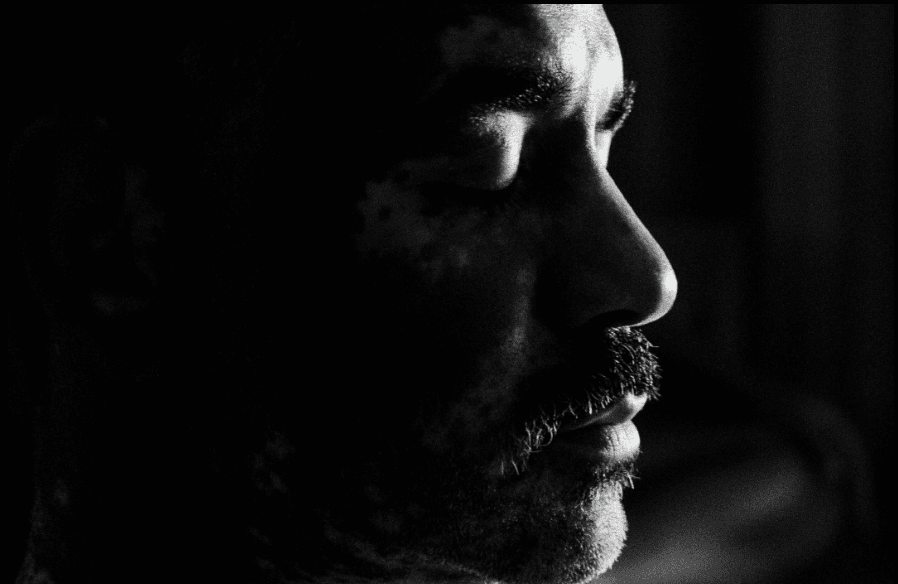
Your heart races after a difficult conversation. Your thoughts spiral at 2 AM, running through tomorrow's demands. The impulse might be to track it, measure it, optimize it away. But what if the answer is not another metric to monitor? What if it is just your breath, moving at its own pace?

In the West End, movement takes on quiet precision. At Aetherhaus, Pilates unfolds as a study in structure; guided, balanced, and architecturally calm. For those new to the practice, this guide outlines what Pilates is, what a class at Aetherhaus involves, and how to begin your first session in Vancouver.
In the West End, movement takes on quiet precision. At Aetherhaus, Pilates unfolds as a study in structure; guided, balanced, and architecturally calm. For those new to the practice, this guide outlines what Pilates is, what a class at Aetherhaus involves, and how to begin your first session in Vancouver.
Your questions.
Answered.
Not sure what to expect? These answers might help you feel more confident as you begin.
Didn’t find your answer? Send us a message, we’ll respond with care and clarity.
What is a modern bathhouse?
A modern bathhouse keeps the architecture of the old idea, hot room, cold water, somewhere to rest, and lets the rhythm of the city around it shape the rest. Ours is built for Vancouver, on Davie Street, in the West End.
What is a modern bathhouse?
A modern bathhouse keeps the architecture of the old idea, hot room, cold water, somewhere to rest, and lets the rhythm of the city around it shape the rest. Ours is built for Vancouver, on Davie Street, in the West End.
Is the cold plunge at your bathhouse communal?
Is the cold plunge at your bathhouse communal?
Yes. Our cold pools are shared, with multiple temperature options so you can find one that meets you where you are. Communal plunging is part of what makes a bathhouse a bathhouse.
Is the bathhouse a welcoming space for the queer community?
Is the bathhouse a welcoming space for the queer community?
Yes. The West End is home to us and to our queer neighbours, and the bathhouse is built for everyone who walks in. We also host queer nights on a regular rotation, which you can find on the Classes calendar.
What's the etiquette inside the bathhouse?
What's the etiquette inside the bathhouse?
Phones stay in lockers. Voices stay low. Sit or lie on a towel inside the sauna, move at your own pace between rooms, and leave the space the way you'd want to find it. The room works because everyone in it is paying a little attention.
Do you offer Russian Banya at the bathhouse?
Do you offer Russian Banya at the bathhouse?
We run banya-inspired programming including venik work on select dates. The full ritual has its own page if you want to read about it before you book.
Do I need to book ahead, or can I walk in?
Do I need to book ahead, or can I walk in?
Walk-ins are welcome based on availability, but most guests book ahead through our app or website to lock in their preferred session time.
Your questions.
Answered.
Not sure what to expect? These answers might help you feel more confident as you begin.
What do I need to bring?
Please bring a bathing suit and a reusable water bottle. We provide two towels per guest, shower products, and secure lockers.
What do I need to bring?
Please bring a bathing suit and a reusable water bottle. We provide two towels per guest, shower products, and secure lockers.
Do I need a reservation?
Do I need a reservation?
Walk-ins are welcome, but we recommend booking through our app or website to check availability and join the waitlist.
Where can I park?
Where can I park?
Street parking is limited. We offer valet parking behind AetherHaus from 11:00–23:00. There is also some street parking available on Davie and nearby side streets.
What is Open Haus?
What is Open Haus?
Open Haus is a self-guided circuit through our saunas, plunge pools, and tea lounge. Our guides add essential oils to the stove throughout the day. The atmosphere shifts between silent, casual, and social, depending on the session.
What is your Haus Etiquette?
What is your Haus Etiquette?
Phones must be stored away. Please keep conversation soft, sit or lie on a towel, and move mindfully through the space. We ask that guests respect others’ experience and refrain from bringing outside food or drinks - complimentary tea is provided.
Can I visit if I am pregnant?
Can I visit if I am pregnant?
We advise against hot and cold therapy during pregnancy unless approved by your healthcare provider.
Didn’t find your answer? Send us a message, we’ll respond with care and clarity.
Your questions.
Answered.
Not sure what to expect? These answers might help you feel more confident as you begin.
Didn’t find your answer? Send us a message, we’ll respond with care and clarity.
What is a modern bathhouse?
A modern bathhouse keeps the architecture of the old idea, hot room, cold water, somewhere to rest, and lets the rhythm of the city around it shape the rest. Ours is built for Vancouver, on Davie Street, in the West End.
What is a modern bathhouse?
A modern bathhouse keeps the architecture of the old idea, hot room, cold water, somewhere to rest, and lets the rhythm of the city around it shape the rest. Ours is built for Vancouver, on Davie Street, in the West End.
Is the cold plunge at your bathhouse communal?
Is the cold plunge at your bathhouse communal?
Yes. Our cold pools are shared, with multiple temperature options so you can find one that meets you where you are. Communal plunging is part of what makes a bathhouse a bathhouse.
Is the bathhouse a welcoming space for the queer community?
Is the bathhouse a welcoming space for the queer community?
Yes. The West End is home to us and to our queer neighbours, and the bathhouse is built for everyone who walks in. We also host queer nights on a regular rotation, which you can find on the Classes calendar.
What's the etiquette inside the bathhouse?
What's the etiquette inside the bathhouse?
Phones stay in lockers. Voices stay low. Sit or lie on a towel inside the sauna, move at your own pace between rooms, and leave the space the way you'd want to find it. The room works because everyone in it is paying a little attention.
Do you offer Russian Banya at the bathhouse?
Do you offer Russian Banya at the bathhouse?
We run banya-inspired programming including venik work on select dates. The full ritual has its own page if you want to read about it before you book.
Do I need to book ahead, or can I walk in?
Do I need to book ahead, or can I walk in?
Walk-ins are welcome based on availability, but most guests book ahead through our app or website to lock in their preferred session time.