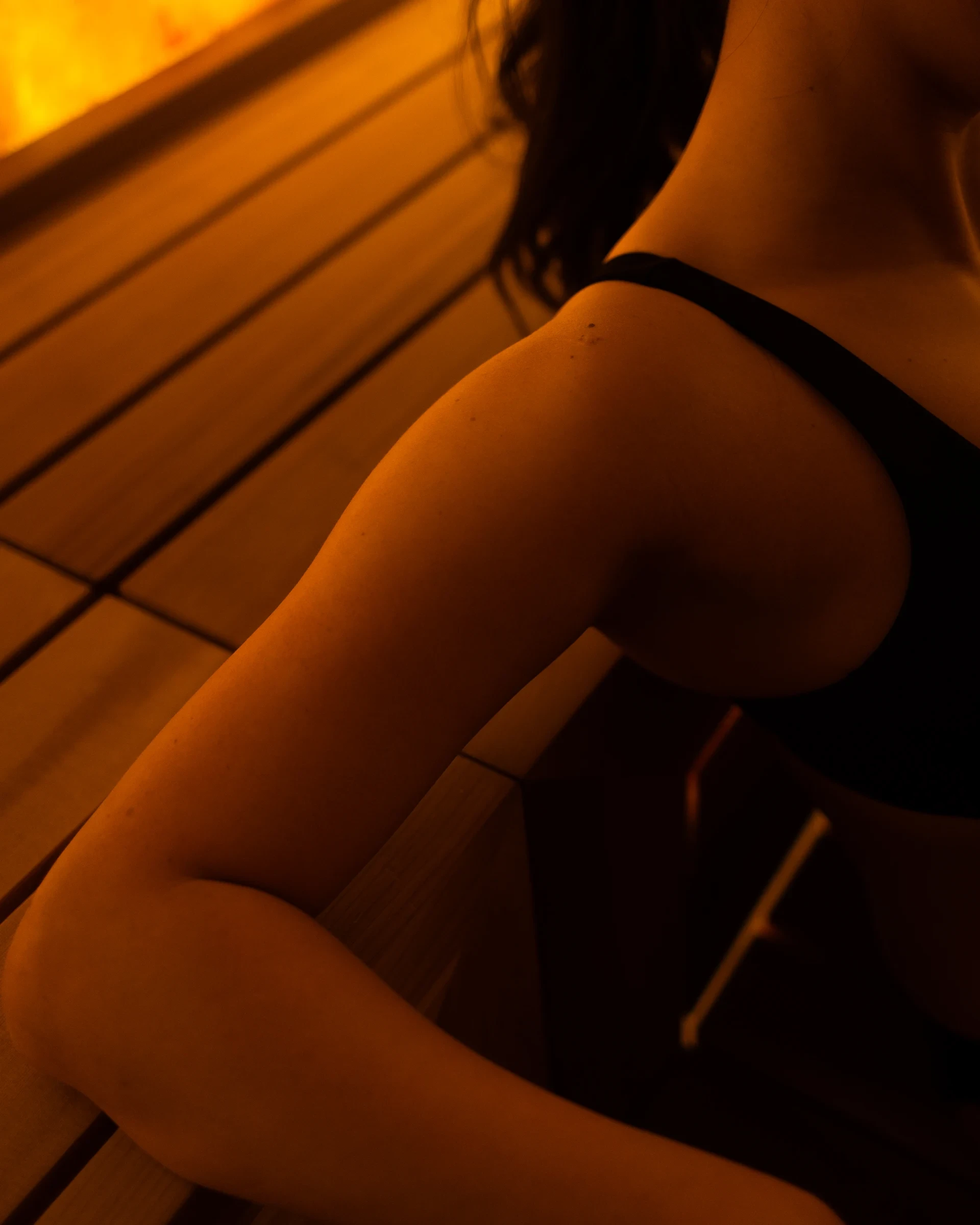
What Is Yin Yoga? A Complete Guide to This Slow, Meditative Practice
What Is Yin Yoga? A Complete Guide to This Slow, Meditative Practice
Stillness has structure. In Yin Yoga, that structure becomes a study; of posture, connective tissue, and time itself.
Stillness has structure. In Yin Yoga, that structure becomes a study; of posture, connective tissue, and time itself.
Published on:
Published on:
If you've heard about yin yoga but aren't quite sure what makes it different from other yoga styles, you're not alone. This slow-paced practice has gained attention for targeting areas that faster yoga styles often miss.
Yin yoga is a slow-paced practice where passive poses are held for extended periods, allowing your body to access deep connective tissues like fascia, ligaments, and tendons. Unlike active yang yoga styles that focus on muscular engagement and movement, yin emphasizes stillness and relaxation to reach deeper layers of the body. Rather than watching a clock, practitioners learn to find their edge through sensation and breath—staying in poses as long as their body asks.
The practice draws from ancient Taoist and Hatha yoga traditions where extended holds were used to cultivate flexibility, balance energy, and prepare the body for meditation. Today's yin yoga combines this ancient wisdom with modern understanding of fascia and the nervous system.
To truly understand yin yoga, we need to explore where it comes from, how it works, and why it might offer something your body has been asking for.
The Ancient Roots of Yin Yoga
Yin yoga feels modern, but its foundations reach back thousands of years through two parallel traditions: Chinese Taoist practices and Indian Classical Hatha Yoga. Both discovered that holding poses for extended periods created profound shifts in the body and mind.
Taoist Traditions and Kung Fu (2000+ Years Ago)
The earliest roots of yin-style practice trace back over 2000 years to China. (Wikipedia, 2025) notes that Taoist priests taught long-held poses alongside breathing techniques to Kung Fu practitioners, helping them develop the flexibility and internal awareness needed for martial arts mastery.
These practices were part of a broader system called Daoyin, which emerged during the early Han Dynasty (206 BCE to 8 CE). (With Yin Yoga, 2025) Daoyin combined physical postures with breath control and mental focus, dividing exercises into yin positions (sitting and lying) and yang positions (standing and moving).
The philosophy behind these practices connected to Taoist concepts of internal alchemy, or Neidan. (Wikipedia, 2025) The goal was not athletic performance but health, longevity, and the cultivation of qi (vital energy). Taoist priests understood that deep, sustained stretches affected the body differently than vigorous movement.
Classical Hatha Yoga and the Monastic Tradition
A parallel tradition developed in India through Classical Hatha Yoga. Monks practicing meditation needed bodies that could sit in stillness for extended periods without pain or distraction. Their solution was holding yoga poses much longer than modern classes typically do.
(Arhanta Yoga, 2024) describes how Hatha Yoga was originally "a monk's discipline, where poses would be held for up to 10 minutes at a time." As yoga spread beyond monasteries, teachers like Swami Sivananda shortened hold times to make the practice more accessible to general students.
Even in modern times, some teachers maintained the tradition of extended holds. B.K.S. Iyengar, one of the most influential yoga teachers of the 20th century, (Indira Yoga) recommended holding Supta Virasana (reclining hero pose) for 10 to 15 minutes. These ancient practices prioritized depth over speed, understanding that connective tissues need time to respond.
How Modern Yin Yoga Developed
While extended holds existed in ancient traditions, the specific practice we call "yin yoga" today emerged in North America during the 1970s and 1980s through three key figures: Paulie Zink, Paul Grilley, and Sarah Powers.
Paulie Zink and Taoist Yoga (1970s)
(Wikipedia, 2025) identifies martial arts champion and Taoist yoga teacher Paulie Zink as the founder of yin yoga in the late 1970s. Zink had studied under Cho Chat Ling, a martial arts master from Hong Kong who taught him Taoist Yoga, Qi-Gong, and Kung Fu.
Zink's approach incorporated both yin and yang elements. He taught his students—many of them martial artists with tight muscles from rigorous training—long-held yin poses to improve flexibility, along with more dynamic yang movements. (With Yin Yoga, 2025) He originally called his practice "Taoist Yoga" or sometimes "Yin & Yang Yoga."
Paul Grilley's Evolution (1980s)
In the late 1980s, Paul Grilley attended one of Paulie Zink's classes and discovered something that would reshape his yoga practice. (Wikipedia, 2025) Grilley was impressed by Zink's exceptional range of motion and learned it came from holding poses passively rather than using muscular effort.
Grilley, who had already been studying anatomy with Dr. Garry Parker and at UCLA, saw potential in focusing exclusively on the yin aspects. He began teaching a practice that combined the long-held poses he learned from Zink with anatomical understanding and the meridian theory of Dr. Hiroshi Motoyama, a Japanese researcher interested in the physiology of energy channels.
Initially, Grilley called his approach "Taoist Yoga" out of respect for Zink. His synthesis of anatomy, Traditional Chinese Medicine meridian theory, and passive stretching resonated with students who experienced profound benefits from the practice.
Sarah Powers Names "Yin Yoga"
Sarah Powers, one of Grilley's students, began teaching in his style and made an important observation. (Wikipedia, 2025) She noted that the yoga she and Grilley were teaching was primarily yin in nature, unlike Zink's balanced yin-and-yang approach. She suggested the term "Yin Yoga" to distinguish it.
Powers incorporated Buddhist psychology into her teaching and placed greater emphasis on targeting meridian systems for both health and spiritual development. By 2009, yin yoga had spread across North America and Europe, taught by Grilley, Powers, Zink, and their many students.
An important clarification: (Woven Yin) notes that yin yoga "was developed to complement active forms of Yoga and exercise." It was never intended as a complete practice on its own, but as a balancing counterpart to more active movement.
Yin vs Yang: Understanding the Philosophy
To understand why yin yoga works differently than other styles, we need to explore the Taoist philosophy underlying the practice. Yin and yang are not opposing forces but complementary ones—both necessary, neither superior.
Taoist Principles of Yin and Yang
(Wikipedia, 2025) explains the foundational concepts: "Yin could be described as stable, immobile, feminine, passive, cold, and downward moving. Yang is understood to be changing, mobile, masculine, active, hot, and upward moving."
Think of the sun and moon. The sun represents yang energy—bright, warm, active. The moon represents yin—cool, reflective, receptive. Neither is better. Both are essential to the natural rhythm of life.
Yin yoga isn't about "optimizing" your flexibility or "maximizing" recovery. It's about finding balance between effort and ease, doing and being. In a culture that often glorifies constant activity and achievement, yin practice offers something different: permission to be still.
How This Shows Up in Your Body
The yin-yang framework applies directly to your physical tissues. (Wikipedia, 2025) describes how "the relatively stiff connective tissues (tendons, ligaments, fascia) are considered yin, while the more mobile and pliable muscles and blood are called yang."
Your muscles respond beautifully to repetitive, rhythmic movement—contracting and releasing builds strength and endurance. But your connective tissue needs a different approach. These denser, less elastic tissues require sustained, gentle stress rather than forceful stretching or quick movements.
Yang practices like Vinyasa or strength training build muscle. Yin practices work with the framework that holds everything together—your fascia, the wrapping around and between muscles, and the ligaments and tendons connecting bones to muscles and bones to bones.
What Makes Yin Yoga Different from Other Styles
Understanding how yin yoga differs from other practices helps clarify what you might experience when you try it. The distinctions are more than just pace—they're about purpose and approach.
Yin Yoga vs Yang Yoga (Vinyasa, Ashtanga, Hatha)
Yang yoga encompasses most styles you'll encounter in modern studios. These practices share common characteristics that create heat, build strength, and improve cardiovascular fitness.
Yang Yoga Characteristics:
Rhythmic movement flowing between poses
Muscular engagement and strengthening
Generates internal heat
Poses held briefly, typically for several breaths
Standing sequences common
Focus on alignment and active engagement
Yin Yoga Characteristics:
Stillness within each pose
Muscular relaxation (passive holds)
Cool or neutral temperature preferred
Poses held for extended periods based on sensation
Floor-based poses predominate
Focus on finding your edge and releasing
(Wikipedia, 2025) notes that in yin yoga, "poses are performed with little muscular exertion," whereas in yang styles like Bhujangasana (Cobra Pose), "the practitioner actively curves the spine upward in an arc using arms and lower back muscles."
Yin Yoga vs Restorative Yoga
This distinction confuses many people, but it's important. Yin and restorative yoga are both slow-paced and use props, but they serve fundamentally different purposes.
(YinYoga.com, 2019) explicitly states: "Please note: Yin Yoga is not restorative yoga."
Restorative Yoga:
Fully supported with extensive props
Zero to minimal stretch intensity
Purpose: Complete rest and recovery
For healing injured or exhausted bodies
Every part of body supported to release all effort
Yin Yoga:
Supported but maintaining gentle stretch
Moderate sensation of stretch (finding your edge)
Purpose: Access deep connective tissue
For healthy bodies seeking balance
Enough support to relax, enough stretch to stimulate tissue
(PMC, 2024) clarifies that yin yoga's "emphasis is not on muscle stretching or tension but, on the opposite, which is muscle relaxation. Yin yoga aims to activate the parasympathetic nervous system to reach the deeper layers of the fascia and keep the joint open."
The key: yin maintains an active stretch that targets fascia, whereas restorative focuses purely on rest without stretch. Both are valuable, but for different reasons and at different times.
The Science Behind Yin Yoga's Benefits
What actually happens in your body during yin yoga? Modern research is catching up to what ancient practitioners intuitively understood: slow, sustained stretching creates specific physiological changes that fast-paced movement cannot replicate.
How Yin Yoga Affects Your Fascia
Fascia is a web-like connective tissue that wraps around your muscles, bones, and organs—essentially holding your entire body together. Until recently, anatomy texts largely ignored fascia as mere packing material. Now we understand it plays crucial roles in movement, proprioception, and even pain.
(Medium, 2023) explains that "static stretching stimulates the deep layers of fascia that wrap around the bundles of muscle fibers. Also, the fascia that connects muscles to one another is affected by passive stretches."
But fascia doesn't respond like muscle. (Mindbodygreen, 2023) notes that "fascia needs at least 120 seconds of sustained stretching to actually affect its elasticity, yin is one of the most effective ways at improving your flexibility."
The cells within fascia, called fibroblasts, (Medium, 2023) have a specific job: creating more fascia. When you apply gentle, sustained stress to fascial tissue, these cells respond by producing stronger, more elastic connective tissue.
Research backs this up. (Evolation Yoga, 2024) references a University of Milan study finding that "holding yoga postures for an extended period of time increased the density and tensile strength of the fascia, which in turn improved the stability and support provided by the fascia."
Even more fascinating, (Yoga Medicine, 2022) describes research "pointing to the fascia having its own internal communication system, which functions independently from the nervous system via vibration, crystallinity, and electricity." Your fascia isn't passive tissue—it's an intelligent system responding to how you move and stretch.
The practical outcome? Improved flexibility, reduced stiffness, better range of motion, and decreased injury risk. But unlike forcing flexibility through aggressive stretching, yin works with your tissue's natural adaptation process.
Nervous System Regulation and Stress Relief
Perhaps yin yoga's most profound benefit lies in its effect on your nervous system. Understanding this requires a quick physiology lesson.
Your autonomic nervous system has two branches:
Sympathetic Nervous System (SNS): Your fight-or-flight response
Increases heart rate, blood pressure, cortisol
Necessary for survival but harmful when chronically activated
Modern life keeps many people in constant SNS overdrive
Parasympathetic Nervous System (PNS): Your rest-and-digest response
Slows heart rate, promotes digestion, reduces stress hormones
Activated through the vagus nerve
Allows healing, recovery, and restoration
The research on yoga's nervous system effects is substantial. (PubMed, 2015) conducted a systematic review of 25 randomized controlled studies, concluding that "yoga practice leads to better regulation of the sympathetic nervous system and hypothalamic-pituitary-adrenal system, as well as a decrease in depressive and anxious symptoms in a range of populations."
The mechanism involves the vagus nerve, the main pathway of your parasympathetic system. (PubMed, 2012) explains that "yoga-based practices correct underactivity of the PNS and GABA systems in part through stimulation of the vagus nerves."
Yin yoga specifically shows powerful anxiety-reduction effects. (PMC, 2024) found that yin yoga intervention significantly reduced both state and trait anxiety during the COVID-19 pandemic. The study notes that "yin yoga focuses on breathing and diaphragmatic breathing (belly breathing), which activates the parasympathetic nervous system and signals the body to relax and unwind."
Beyond anxiety, (Heart + Bones Yoga, 2024) references research showing yoga "boosts gamma-aminobutyric acid (GABA) levels—a neurotransmitter known for its calming effects on the brain" and "reduces allostatic load—the wear and tear your body experiences from chronic stress."
The practical outcome? Reduced anxiety, better stress management, improved sleep quality, and a nervous system that can shift more easily between activation and rest. Your body learns it's safe to slow down.
Joint Health and Mobility
Beyond fascia and nerves, yin yoga benefits your joints themselves. Movement circulates synovial fluid, (Pliability, 2024) "the lubricant that keeps your joints healthy." The gentle, sustained stress on joint capsules and surrounding tissues promotes this circulation without the impact of high-intensity exercise.
Research comparing yoga to traditional stretching reveals yin's advantage. (PMC) found that "when added to the traditional flexibility exercises, yoga training significantly enhances the measures of flexibility. In contrast, the NYG had no improvement and in some cases, the flexibility declined."
Yin yoga particularly targets areas rich in connective tissue: hips, pelvis, inner thighs, and spine. (Anahana, 2024) notes that "regular yin yoga effectively increases flexibility and focuses on the joints' areas, helping healthy bodies activate change to improve performance."
The practical outcome? Better range of motion, reduced joint stiffness, decreased pain, and lower injury risk—especially valuable if you sit for long periods or engage in repetitive movements.
Meridian Stimulation (Traditional Perspective)
From the Traditional Chinese Medicine perspective, (Wikipedia, 2025) yin yoga sequences are "meant to stimulate the channels of the subtle body, known as meridians in Chinese medicine and as nadis in Hatha yoga."
(Women's Health UK, 2024) explains that "the benefits stem from the stimulation of certain energetic pathways that run through our bodies. Due to the intensity of our modern lives, we tend to disrupt the fluidity of our energy which, in Chinese medicine, is explained as 'stagnant' or 'depleted' energy."
While Western science focuses on fascia and nervous system effects, Eastern traditions view yin yoga as restoring proper energy flow. Both perspectives offer valuable frameworks for understanding why the practice feels profoundly restorative.
Key Principles of Yin Yoga Practice
Yin yoga operates on principles that distinguish it from other movement practices. Understanding these helps you approach the practice in the spirit it was designed.
The Three Pillars of Yin Practice
1. Come Into the Pose
Find the appropriate depth for YOUR body, not the shape you see in photos or on Instagram. Anatomical variation means poses look different on everyone—different bone shapes, different proportions, different histories of injury or movement patterns.
Use props liberally. Blocks, bolsters, blankets, and cushions aren't training wheels you graduate from. They're tools that help you find sustainable positioning where you can relax and breathe.
2. Find Your Edge
Your "edge" is the point where you feel sensation without pain. It's a gentle stretch intensity—noticeable but not sharp or forcing. This edge invites your tissue to release rather than defend.
Here's what's radical: this isn't about "going deeper" or "doing it right." Your edge today may differ completely from yesterday, and that's the practice itself. Yin yoga doesn't care if you're "getting better" at it. There's no metric to track, no progress to optimize. The practice is learning to feel what your body needs in this moment.
3. Hold With Stillness
Once you find your edge, the invitation is to stay. Not because a teacher says "hold for five minutes," but because you're exploring what happens when you stop moving long enough to truly feel.
(YinYoga.com, 2019) notes practitioners "can remain in the postures anywhere from one to twenty minutes" depending on experience and body needs. The duration is guided by sensation, not a timer.
Breathe into areas of resistance. Notice thoughts and sensations without immediately changing position. The challenge isn't physical—it's learning to be with yourself without distraction.
Breathing in Yin Yoga
(Arhanta Yoga, 2024) emphasizes that "in yin yoga, the emphasis is on relaxed belly breathing. Long, slow, and deep breaths promote total relaxation, helping you hold a pose for longer durations and access new depths."
This belly breathing—also called diaphragmatic breathing—activates your parasympathetic nervous system. It signals to your body that you're safe, allowing muscles to release and fascia to respond to the gentle stretch.
Your breath becomes an anchor. When your mind wanders or discomfort arises, returning to the rhythm of your breath brings you back to the present moment. The breath teaches you that you can be with discomfort without needing to immediately escape it.
Common Yin Yoga Poses
Yin yoga uses relatively few poses compared to yang styles—typically 18 to 24 core postures. Each can be held longer, and most target the lower body where connective tissue is particularly dense. The poses often have different names than their yang equivalents to signal the different approach: passive rather than active engagement.
Butterfly (Baddha Konasana variation)
Targets: Inner thighs, hips, groin
Position: Seated with soles of feet together, folding forward with rounded spine
Purpose: Opens hips, encourages introspection, calms nervous system
Dragon (Low Lunge variation)
Targets: Hip flexors, quadriceps, psoas
Position: Low lunge with back knee down, front knee over ankle
Purpose: Releases hip flexor tension from sitting, opens front body
Caterpillar (Paschimottanasana variation)
Targets: Entire spine, hamstrings, back body
Position: Seated forward fold with legs extended, spine rounded
Purpose: Spinal flexibility, hamstring release, calming effect
Child's Pose (Balasana)
Targets: Hips, thighs, ankles, spine
Position: Kneeling, sitting on heels, folded forward
Purpose: Rest pose between deeper stretches, gentle back release
Sphinx or Seal
Targets: Lower back, spine, abdomen
Position: Prone backbend on forearms (Sphinx) or hands (Seal)
Purpose: Spinal extension, stimulates abdominal organs
Sleeping Swan (Pigeon variation)
Targets: Outer hip, glutes, hip rotators
Position: Front shin folded, back leg extended, folding forward
Purpose: Deep hip opening, emotional release
Legs Up the Wall (Viparita Karani)
Targets: Hamstrings, lower back, nervous system
Position: Lying with legs extended up wall
Purpose: Gentle inversion, reduces leg swelling, deeply calming
At Aetherhaus in Vancouver's West End, we've discovered something unique: practicing yin yoga within our Himalayan salt sauna. The warmth enhances fascial release—heated connective tissue becomes more pliable—while salt-infused air adds a respiratory element. It's a multi-sensory approach to stillness that deepens the meditative quality of the practice.
Experience Yin Yoga in Vancouver's West End
At Aetherhaus, we combine traditional yin yoga practice with the warmth of our Himalayan salt sauna. The gentle heat deepens fascial release while salt-infused air adds a respiratory element, creating a multi-sensory approach to stillness and restoration.
Our guided yin sessions emphasize intuitive practice—moving at the pace your body requests, finding your own edge, and releasing the need to perform or track progress. We integrate yin yoga with contrast therapy, allowing the practice to be part of a broader ritual of heat, cold, and communal stillness.
Who Should Practice Yin Yoga?
Yin yoga's accessibility makes it suitable for a wide range of people, though certain populations benefit particularly from its specific approach.
Yin Yoga Is Accessible for Most People
(YinYoga.com, 2019) describes yin yoga as "suitable for almost all levels of students" and "a perfect complement to the dynamic and muscular (yang) styles of yoga that emphasize internal heat."
Great for:
Beginners (slow pace allows time to learn)
Athletes seeking balance to high-intensity training
People with stiff joints or limited flexibility
Those managing stress and anxiety
Anyone wanting meditative movement practice
Especially beneficial as complement for:
Runners and cyclists (tight hip flexors and hamstrings)
Weightlifters (shortened connective tissue from strength training)
Office workers (hip and spine stiffness from sitting)
Vinyasa and Ashtanga practitioners (balances yang with yin)
CrossFit and HIIT enthusiasts (nervous system recovery)
The practice offers what many active people lack: permission to slow down without feeling unproductive.
When to Practice With Caution
While yin yoga is generally safe, certain conditions require modifications or avoidance.
Consult an experienced instructor or healthcare provider if you have:
Hypermobility (joints that easily overextend)
Recent connective tissue injuries
Acute inflammation in joints
Pregnancy (modifications needed)
Severe osteoporosis
(Women's Health UK, 2024) notes that "if you're hypermobile in certain areas of your body and already have plenty of space around your joints, Yin must be practised with caution. There's no need to go to your full range in order to experience the energetic benefits."
The key principle: yin yoga works with healthy tissue seeking balance, not injured tissue needing rest. If you're healing from injury, restorative yoga or physical therapy may be more appropriate initially.
How Yin Yoga Fits Into Your Life
Yin yoga isn't meant to exist in isolation. Understanding how it complements other activities helps you create a sustainable, balanced approach to movement and rest.
Balancing Yin and Yang Activities
(YogaRenew, 2022) emphasizes that "yin yoga, which by nature is a slow, cooling practice, is meant to be a complement to yang activities which focus on building heat and energy through movement."
Too much yang—constant high-intensity training, vigorous vinyasa, competitive sports—can lead to burnout, overuse injuries, and nervous system fatigue. Your sympathetic nervous system stays perpetually activated, cortisol remains elevated, and recovery becomes incomplete.
Too much yin, conversely, means missing out on the cardiovascular fitness, bone density, and muscular strength that yang activities provide. Balance looks different for everyone and changes with life phases.
Examples of balance:
Three days of vigorous exercise paired with one to two days of yin
Yin practice on recovery days between intense workouts
Yin in the evening after active days to signal body it's time to rest
Yang practice in morning for energy, yin practice in evening for sleep
The community aspect of shared practice—whether in a studio or communal space like a sauna—can enhance both yin and yang practices. There's something powerful about stillness held together with others.
Creating Space for Stillness
Modern culture glorifies being busy, doing more, achieving constantly. Yin yoga offers a radical alternative: the practice of simply being.
This isn't about becoming more flexible so you can sit at your desk more comfortably (though that might happen). It's not about getting calmer so you can be more productive (though that might happen too). Yin yoga asks nothing of you except presence.
In a world that constantly asks you to do more, be more, achieve more, yin yoga asks you to simply be. It doesn't promise to make you more flexible, more relaxed, or more enlightened. It offers something rarer: permission to feel whatever arises when you stop moving long enough to notice.
This can feel uncomfortable at first. Many people discover they've been using constant movement and activity to avoid feeling what's actually present. When you remove the distraction of vigorous movement, what remains? Sometimes tension, sometimes emotion, sometimes surprising peace. All of it is valid. All of it deserves space.
The integration of yin practice with other stress reset modalities—whether heat therapy, cold exposure, or simply sitting with tea afterward—creates rituals that honor the full spectrum of human experience: exertion and rest, heat and cool, doing and being.
Getting Started with Yin Yoga
Starting a yin practice doesn't require special equipment or advanced flexibility. It does require patience, curiosity, and willingness to be with yourself.
What to Expect in Your First Yin Class
Before class:
Arrive with an open mind (it will feel slow if you're used to yang)
Wear comfortable, stretchy clothing that allows floor movement
Eat lightly—a full stomach feels uncomfortable in forward folds
Bring water but avoid drinking heavily during class (disrupts internal focus)
During class:
Expect stillness to feel surprisingly challenging initially
Your mind will wander constantly—this is normal and part of the practice
Understand the difference between discomfort and pain: gentle stretch is the goal, sharp pain is a signal to back off
Props are your friends—blocks, bolsters, blankets help you find sustainable positions
Teachers may give dharma talks or play ambient music during long holds
After class:
You may feel surprisingly emotional (fascia and connective tissue can hold tension and even memory)
Some people feel deeply relaxed, others feel energized—both are normal
Give yourself time to integrate before rushing to your next activity
Drink water and move gently
The first few times may feel strange, boring, or frustrating. This usually means the practice is working—you're encountering your habitual need to stay busy and distracted. Stay curious about what that discomfort is teaching you.
Practicing Yin at Home
You don't need a studio or teacher to benefit from yin yoga, though guidance helps initially.
To practice at home:
Start with two to three poses rather than a full sequence
Create a quiet, warm environment (yin doesn't generate internal heat)
Use household items as props: pillows, rolled towels, books
Set a gentle timer if helpful, but prioritize sensation over specific duration
Consider online classes or apps for guidance and sequencing
Quality matters more than quantity. Even 15 minutes of mindful yin practice offers benefit. The goal isn't completing a certain number of poses or hitting a target duration. The goal is creating space to feel.
Many people find that combining yin practice with other rituals deepens the experience. At Aetherhaus, we encourage the integration of yin yoga with sauna time and quiet reflection in our tea lounge afterward. This creates a complete arc: the stimulation of heat, the opening of yin practice, the integration of stillness, and the return to activity only when you're ready.
Frequently Asked Questions
How long do you hold yin yoga poses?
The duration varies based on your experience and what your body needs in the moment. (YinYoga.com, 2019) notes that practitioners "can remain in the postures anywhere from one to twenty minutes" depending on individual factors.
Rather than watching a clock, focus on sensation. Stay until you feel a gentle release, a shift in the quality of the stretch, or until maintaining the position no longer serves you. Beginners often start with shorter holds while experienced practitioners may remain longer. Your body guides the timing, not a timer.
Is yin yoga good for beginners?
Yes, yin yoga is highly accessible for beginners. (YinYoga.com, 2019) describes it as "suitable for almost all levels of students."
The slow pace allows time to understand each pose and make adjustments. The practice emphasizes finding your appropriate depth rather than achieving a specific shape, which removes the pressure to "perform" that beginners often feel. Props make poses accessible for various body types and flexibility levels.
However, the mental challenge of stillness can be surprisingly intense for those accustomed to constant movement and distraction. This doesn't mean beginners shouldn't try yin—it means the practice offers different challenges than expected.
What's the difference between yin yoga and restorative yoga?
This common confusion deserves clarity. (YinYoga.com, 2019) explicitly states: "Yin Yoga is not restorative yoga."
Yin maintains a gentle stretch targeting connective tissue. (PMC, 2024) explains that yin "aims to activate the parasympathetic nervous system to reach the deeper layers of the fascia and keep the joint open" through muscle relaxation while maintaining stretch.
Restorative yoga provides complete rest with full prop support and zero stretch intensity. It focuses on healing exhausted or injured bodies through total relaxation.
Yin is for healthy bodies seeking balance. Restorative is for bodies needing repair. Both are valuable but serve different purposes.
Can yin yoga help with flexibility?
Research confirms yin yoga significantly improves flexibility by targeting deep connective tissue. (PMC) found that "when added to the traditional flexibility exercises, yoga training significantly enhances the measures of flexibility" while the non-yoga group saw no improvement or even decline.
The mechanism relates to fascia adaptation. (Mindbodygreen, 2023) notes that "fascia needs at least 120 seconds of sustained stretching to actually affect its elasticity," making yin's extended holds particularly effective.
The sustained, gentle stress encourages connective tissue to become more elastic and resilient over time. This creates flexibility that's sustainable rather than forced.
Does yin yoga reduce stress and anxiety?
Multiple studies confirm yin yoga's effectiveness for stress and anxiety reduction. (PMC, 2024) found yin yoga intervention significantly reduced both state anxiety (temporary) and trait anxiety (personality-level) during the COVID-19 pandemic.
A (PubMed, 2015) systematic review of 25 studies concluded that "yoga practice leads to better regulation of the sympathetic nervous system and hypothalamic-pituitary-adrenal system, as well as a decrease in depressive and anxious symptoms."
The mechanism involves activating your parasympathetic nervous system through slow breathing and stillness. (PubMed, 2012) research shows yoga "corrects underactivity of the PNS and GABA systems in part through stimulation of the vagus nerves." This naturally calms your nervous system without medication.
How is yin yoga different from other yoga styles?
The primary differences lie in approach, target tissue, and purpose.
(Wikipedia, 2025) explains that while yang styles use muscular engagement and active movement, yin "poses are performed with little muscular exertion" and target connective tissues rather than muscles.
Yang yoga (Vinyasa, Ashtanga, Hatha) builds strength, generates heat, and emphasizes rhythmic movement between poses. Yin emphasizes stillness, targets fascia and joints, and creates balance through passive stretching.
Neither is superior—they serve complementary functions. Yang builds and strengthens. Yin opens and restores.
Should I practice yin yoga if I'm hypermobile?
If you have hypermobility (joints that easily overextend), practice yin yoga with extra caution and support. (Women's Health UK, 2024) advises: "if you're hypermobile in certain areas of your body and already have plenty of space around your joints, Yin must be practised with caution."
Use more props to prevent joints from reaching end range. Focus on finding gentle sensation rather than maximum stretch. Work with an experienced instructor who understands hypermobility adaptations.
The energetic and nervous system benefits can still be accessed without going to your full range of motion. Sometimes less stretch creates more benefit.
Can I do only yin yoga, or do I need other practices?
Yin yoga is designed as a complement rather than a complete practice. (Woven Yin) notes it "was developed to complement active forms of Yoga and exercise."
The founders emphasize that yin balances yang activities but doesn't replace them. For complete physical health, combine yin with activities that build strength, cardiovascular fitness, and muscular endurance.
Think of yin as one essential ingredient in a balanced movement practice—like rest days are essential to training programs. Too much yin without yang leads to insufficient strength and stamina. Too much yang without yin leads to burnout and injury.
Summary: Key Takeaways
Yin yoga is a slow-paced practice where passive poses are held for extended periods, targeting deep connective tissues (fascia, ligaments, tendons) through sensation-based stillness rather than clock-watching
Ancient roots stretch back 2000+ years through Taoist Daoyin and Classical Hatha traditions; modern form developed 1970s-1990s through Paulie Zink, Paul Grilley, and Sarah Powers
(Mindbodygreen, 2023) notes fascia needs at least 120 seconds of sustained stretch to adapt, making yin's extended holds uniquely effective for flexibility
(PubMed, 2015) systematic review confirms yoga activates parasympathetic nervous system, reducing stress and anxiety while improving nervous system regulation
Yin differs from restorative yoga by maintaining gentle stretch; differs from yang yoga by emphasizing stillness and tissue depth over muscular engagement
Practice emphasizes finding your edge based on sensation, not achieving specific shapes or durations—your body guides the timing
(Woven Yin) notes yin is intended as complement to active practices, creating balance between yang (doing) and yin (being)
Accessible for most people but requires caution with hypermobility or acute injuries; works with healthy tissue seeking balance, not injured tissue needing rest
Explore yin yoga at Aetherhaus
Conclusion
Yin yoga offers something increasingly rare in modern movement culture: an invitation to do less, not more. Where most practices promise to make you stronger, faster, more flexible, or more accomplished, yin simply asks you to notice what's present when you finally stop moving.
The ancient Taoist and yogic traditions understood something we're only beginning to rediscover: some things in your body—and in your life—only respond to sustained, gentle attention. You cannot force fascia to release through aggressive stretching any more than you can force your nervous system to calm down through sheer willpower.
(YinYoga.com, 2019) reminds us that yin and yang tissues "respond quite differently to being exercised." Your muscles thrive on rhythmic contraction. Your connective tissue needs something else entirely: time, stillness, and patience.
In a culture that constantly asks you to do more, be more, achieve more, yin yoga asks you to simply be. It doesn't promise to make you more flexible, more relaxed, or more enlightened. It offers something rarer: permission to feel whatever arises when you stop moving long enough to notice.
Whether you're seeking balance to intense training, relief from chronic stress, healing from the inside out, or simply curiosity about this ancient-modern practice, yin yoga welcomes you exactly as you are. Your body already knows how to release. Sometimes it just needs the space to remember.
Ready to experience yin yoga in Vancouver? At Aetherhaus, we combine traditional yin practice with the warmth of our Himalayan salt sauna, creating a multi-sensory approach to stillness and restoration. We also integrate yin with breathwork practices for a complete nervous system reset.
If you've heard about yin yoga but aren't quite sure what makes it different from other yoga styles, you're not alone. This slow-paced practice has gained attention for targeting areas that faster yoga styles often miss.
Yin yoga is a slow-paced practice where passive poses are held for extended periods, allowing your body to access deep connective tissues like fascia, ligaments, and tendons. Unlike active yang yoga styles that focus on muscular engagement and movement, yin emphasizes stillness and relaxation to reach deeper layers of the body. Rather than watching a clock, practitioners learn to find their edge through sensation and breath—staying in poses as long as their body asks.
The practice draws from ancient Taoist and Hatha yoga traditions where extended holds were used to cultivate flexibility, balance energy, and prepare the body for meditation. Today's yin yoga combines this ancient wisdom with modern understanding of fascia and the nervous system.
To truly understand yin yoga, we need to explore where it comes from, how it works, and why it might offer something your body has been asking for.
The Ancient Roots of Yin Yoga
Yin yoga feels modern, but its foundations reach back thousands of years through two parallel traditions: Chinese Taoist practices and Indian Classical Hatha Yoga. Both discovered that holding poses for extended periods created profound shifts in the body and mind.
Taoist Traditions and Kung Fu (2000+ Years Ago)
The earliest roots of yin-style practice trace back over 2000 years to China. (Wikipedia, 2025) notes that Taoist priests taught long-held poses alongside breathing techniques to Kung Fu practitioners, helping them develop the flexibility and internal awareness needed for martial arts mastery.
These practices were part of a broader system called Daoyin, which emerged during the early Han Dynasty (206 BCE to 8 CE). (With Yin Yoga, 2025) Daoyin combined physical postures with breath control and mental focus, dividing exercises into yin positions (sitting and lying) and yang positions (standing and moving).
The philosophy behind these practices connected to Taoist concepts of internal alchemy, or Neidan. (Wikipedia, 2025) The goal was not athletic performance but health, longevity, and the cultivation of qi (vital energy). Taoist priests understood that deep, sustained stretches affected the body differently than vigorous movement.
Classical Hatha Yoga and the Monastic Tradition
A parallel tradition developed in India through Classical Hatha Yoga. Monks practicing meditation needed bodies that could sit in stillness for extended periods without pain or distraction. Their solution was holding yoga poses much longer than modern classes typically do.
(Arhanta Yoga, 2024) describes how Hatha Yoga was originally "a monk's discipline, where poses would be held for up to 10 minutes at a time." As yoga spread beyond monasteries, teachers like Swami Sivananda shortened hold times to make the practice more accessible to general students.
Even in modern times, some teachers maintained the tradition of extended holds. B.K.S. Iyengar, one of the most influential yoga teachers of the 20th century, (Indira Yoga) recommended holding Supta Virasana (reclining hero pose) for 10 to 15 minutes. These ancient practices prioritized depth over speed, understanding that connective tissues need time to respond.
How Modern Yin Yoga Developed
While extended holds existed in ancient traditions, the specific practice we call "yin yoga" today emerged in North America during the 1970s and 1980s through three key figures: Paulie Zink, Paul Grilley, and Sarah Powers.
Paulie Zink and Taoist Yoga (1970s)
(Wikipedia, 2025) identifies martial arts champion and Taoist yoga teacher Paulie Zink as the founder of yin yoga in the late 1970s. Zink had studied under Cho Chat Ling, a martial arts master from Hong Kong who taught him Taoist Yoga, Qi-Gong, and Kung Fu.
Zink's approach incorporated both yin and yang elements. He taught his students—many of them martial artists with tight muscles from rigorous training—long-held yin poses to improve flexibility, along with more dynamic yang movements. (With Yin Yoga, 2025) He originally called his practice "Taoist Yoga" or sometimes "Yin & Yang Yoga."
Paul Grilley's Evolution (1980s)
In the late 1980s, Paul Grilley attended one of Paulie Zink's classes and discovered something that would reshape his yoga practice. (Wikipedia, 2025) Grilley was impressed by Zink's exceptional range of motion and learned it came from holding poses passively rather than using muscular effort.
Grilley, who had already been studying anatomy with Dr. Garry Parker and at UCLA, saw potential in focusing exclusively on the yin aspects. He began teaching a practice that combined the long-held poses he learned from Zink with anatomical understanding and the meridian theory of Dr. Hiroshi Motoyama, a Japanese researcher interested in the physiology of energy channels.
Initially, Grilley called his approach "Taoist Yoga" out of respect for Zink. His synthesis of anatomy, Traditional Chinese Medicine meridian theory, and passive stretching resonated with students who experienced profound benefits from the practice.
Sarah Powers Names "Yin Yoga"
Sarah Powers, one of Grilley's students, began teaching in his style and made an important observation. (Wikipedia, 2025) She noted that the yoga she and Grilley were teaching was primarily yin in nature, unlike Zink's balanced yin-and-yang approach. She suggested the term "Yin Yoga" to distinguish it.
Powers incorporated Buddhist psychology into her teaching and placed greater emphasis on targeting meridian systems for both health and spiritual development. By 2009, yin yoga had spread across North America and Europe, taught by Grilley, Powers, Zink, and their many students.
An important clarification: (Woven Yin) notes that yin yoga "was developed to complement active forms of Yoga and exercise." It was never intended as a complete practice on its own, but as a balancing counterpart to more active movement.
Yin vs Yang: Understanding the Philosophy
To understand why yin yoga works differently than other styles, we need to explore the Taoist philosophy underlying the practice. Yin and yang are not opposing forces but complementary ones—both necessary, neither superior.
Taoist Principles of Yin and Yang
(Wikipedia, 2025) explains the foundational concepts: "Yin could be described as stable, immobile, feminine, passive, cold, and downward moving. Yang is understood to be changing, mobile, masculine, active, hot, and upward moving."
Think of the sun and moon. The sun represents yang energy—bright, warm, active. The moon represents yin—cool, reflective, receptive. Neither is better. Both are essential to the natural rhythm of life.
Yin yoga isn't about "optimizing" your flexibility or "maximizing" recovery. It's about finding balance between effort and ease, doing and being. In a culture that often glorifies constant activity and achievement, yin practice offers something different: permission to be still.
How This Shows Up in Your Body
The yin-yang framework applies directly to your physical tissues. (Wikipedia, 2025) describes how "the relatively stiff connective tissues (tendons, ligaments, fascia) are considered yin, while the more mobile and pliable muscles and blood are called yang."
Your muscles respond beautifully to repetitive, rhythmic movement—contracting and releasing builds strength and endurance. But your connective tissue needs a different approach. These denser, less elastic tissues require sustained, gentle stress rather than forceful stretching or quick movements.
Yang practices like Vinyasa or strength training build muscle. Yin practices work with the framework that holds everything together—your fascia, the wrapping around and between muscles, and the ligaments and tendons connecting bones to muscles and bones to bones.
What Makes Yin Yoga Different from Other Styles
Understanding how yin yoga differs from other practices helps clarify what you might experience when you try it. The distinctions are more than just pace—they're about purpose and approach.
Yin Yoga vs Yang Yoga (Vinyasa, Ashtanga, Hatha)
Yang yoga encompasses most styles you'll encounter in modern studios. These practices share common characteristics that create heat, build strength, and improve cardiovascular fitness.
Yang Yoga Characteristics:
Rhythmic movement flowing between poses
Muscular engagement and strengthening
Generates internal heat
Poses held briefly, typically for several breaths
Standing sequences common
Focus on alignment and active engagement
Yin Yoga Characteristics:
Stillness within each pose
Muscular relaxation (passive holds)
Cool or neutral temperature preferred
Poses held for extended periods based on sensation
Floor-based poses predominate
Focus on finding your edge and releasing
(Wikipedia, 2025) notes that in yin yoga, "poses are performed with little muscular exertion," whereas in yang styles like Bhujangasana (Cobra Pose), "the practitioner actively curves the spine upward in an arc using arms and lower back muscles."
Yin Yoga vs Restorative Yoga
This distinction confuses many people, but it's important. Yin and restorative yoga are both slow-paced and use props, but they serve fundamentally different purposes.
(YinYoga.com, 2019) explicitly states: "Please note: Yin Yoga is not restorative yoga."
Restorative Yoga:
Fully supported with extensive props
Zero to minimal stretch intensity
Purpose: Complete rest and recovery
For healing injured or exhausted bodies
Every part of body supported to release all effort
Yin Yoga:
Supported but maintaining gentle stretch
Moderate sensation of stretch (finding your edge)
Purpose: Access deep connective tissue
For healthy bodies seeking balance
Enough support to relax, enough stretch to stimulate tissue
(PMC, 2024) clarifies that yin yoga's "emphasis is not on muscle stretching or tension but, on the opposite, which is muscle relaxation. Yin yoga aims to activate the parasympathetic nervous system to reach the deeper layers of the fascia and keep the joint open."
The key: yin maintains an active stretch that targets fascia, whereas restorative focuses purely on rest without stretch. Both are valuable, but for different reasons and at different times.
The Science Behind Yin Yoga's Benefits
What actually happens in your body during yin yoga? Modern research is catching up to what ancient practitioners intuitively understood: slow, sustained stretching creates specific physiological changes that fast-paced movement cannot replicate.
How Yin Yoga Affects Your Fascia
Fascia is a web-like connective tissue that wraps around your muscles, bones, and organs—essentially holding your entire body together. Until recently, anatomy texts largely ignored fascia as mere packing material. Now we understand it plays crucial roles in movement, proprioception, and even pain.
(Medium, 2023) explains that "static stretching stimulates the deep layers of fascia that wrap around the bundles of muscle fibers. Also, the fascia that connects muscles to one another is affected by passive stretches."
But fascia doesn't respond like muscle. (Mindbodygreen, 2023) notes that "fascia needs at least 120 seconds of sustained stretching to actually affect its elasticity, yin is one of the most effective ways at improving your flexibility."
The cells within fascia, called fibroblasts, (Medium, 2023) have a specific job: creating more fascia. When you apply gentle, sustained stress to fascial tissue, these cells respond by producing stronger, more elastic connective tissue.
Research backs this up. (Evolation Yoga, 2024) references a University of Milan study finding that "holding yoga postures for an extended period of time increased the density and tensile strength of the fascia, which in turn improved the stability and support provided by the fascia."
Even more fascinating, (Yoga Medicine, 2022) describes research "pointing to the fascia having its own internal communication system, which functions independently from the nervous system via vibration, crystallinity, and electricity." Your fascia isn't passive tissue—it's an intelligent system responding to how you move and stretch.
The practical outcome? Improved flexibility, reduced stiffness, better range of motion, and decreased injury risk. But unlike forcing flexibility through aggressive stretching, yin works with your tissue's natural adaptation process.
Nervous System Regulation and Stress Relief
Perhaps yin yoga's most profound benefit lies in its effect on your nervous system. Understanding this requires a quick physiology lesson.
Your autonomic nervous system has two branches:
Sympathetic Nervous System (SNS): Your fight-or-flight response
Increases heart rate, blood pressure, cortisol
Necessary for survival but harmful when chronically activated
Modern life keeps many people in constant SNS overdrive
Parasympathetic Nervous System (PNS): Your rest-and-digest response
Slows heart rate, promotes digestion, reduces stress hormones
Activated through the vagus nerve
Allows healing, recovery, and restoration
The research on yoga's nervous system effects is substantial. (PubMed, 2015) conducted a systematic review of 25 randomized controlled studies, concluding that "yoga practice leads to better regulation of the sympathetic nervous system and hypothalamic-pituitary-adrenal system, as well as a decrease in depressive and anxious symptoms in a range of populations."
The mechanism involves the vagus nerve, the main pathway of your parasympathetic system. (PubMed, 2012) explains that "yoga-based practices correct underactivity of the PNS and GABA systems in part through stimulation of the vagus nerves."
Yin yoga specifically shows powerful anxiety-reduction effects. (PMC, 2024) found that yin yoga intervention significantly reduced both state and trait anxiety during the COVID-19 pandemic. The study notes that "yin yoga focuses on breathing and diaphragmatic breathing (belly breathing), which activates the parasympathetic nervous system and signals the body to relax and unwind."
Beyond anxiety, (Heart + Bones Yoga, 2024) references research showing yoga "boosts gamma-aminobutyric acid (GABA) levels—a neurotransmitter known for its calming effects on the brain" and "reduces allostatic load—the wear and tear your body experiences from chronic stress."
The practical outcome? Reduced anxiety, better stress management, improved sleep quality, and a nervous system that can shift more easily between activation and rest. Your body learns it's safe to slow down.
Joint Health and Mobility
Beyond fascia and nerves, yin yoga benefits your joints themselves. Movement circulates synovial fluid, (Pliability, 2024) "the lubricant that keeps your joints healthy." The gentle, sustained stress on joint capsules and surrounding tissues promotes this circulation without the impact of high-intensity exercise.
Research comparing yoga to traditional stretching reveals yin's advantage. (PMC) found that "when added to the traditional flexibility exercises, yoga training significantly enhances the measures of flexibility. In contrast, the NYG had no improvement and in some cases, the flexibility declined."
Yin yoga particularly targets areas rich in connective tissue: hips, pelvis, inner thighs, and spine. (Anahana, 2024) notes that "regular yin yoga effectively increases flexibility and focuses on the joints' areas, helping healthy bodies activate change to improve performance."
The practical outcome? Better range of motion, reduced joint stiffness, decreased pain, and lower injury risk—especially valuable if you sit for long periods or engage in repetitive movements.
Meridian Stimulation (Traditional Perspective)
From the Traditional Chinese Medicine perspective, (Wikipedia, 2025) yin yoga sequences are "meant to stimulate the channels of the subtle body, known as meridians in Chinese medicine and as nadis in Hatha yoga."
(Women's Health UK, 2024) explains that "the benefits stem from the stimulation of certain energetic pathways that run through our bodies. Due to the intensity of our modern lives, we tend to disrupt the fluidity of our energy which, in Chinese medicine, is explained as 'stagnant' or 'depleted' energy."
While Western science focuses on fascia and nervous system effects, Eastern traditions view yin yoga as restoring proper energy flow. Both perspectives offer valuable frameworks for understanding why the practice feels profoundly restorative.
Key Principles of Yin Yoga Practice
Yin yoga operates on principles that distinguish it from other movement practices. Understanding these helps you approach the practice in the spirit it was designed.
The Three Pillars of Yin Practice
1. Come Into the Pose
Find the appropriate depth for YOUR body, not the shape you see in photos or on Instagram. Anatomical variation means poses look different on everyone—different bone shapes, different proportions, different histories of injury or movement patterns.
Use props liberally. Blocks, bolsters, blankets, and cushions aren't training wheels you graduate from. They're tools that help you find sustainable positioning where you can relax and breathe.
2. Find Your Edge
Your "edge" is the point where you feel sensation without pain. It's a gentle stretch intensity—noticeable but not sharp or forcing. This edge invites your tissue to release rather than defend.
Here's what's radical: this isn't about "going deeper" or "doing it right." Your edge today may differ completely from yesterday, and that's the practice itself. Yin yoga doesn't care if you're "getting better" at it. There's no metric to track, no progress to optimize. The practice is learning to feel what your body needs in this moment.
3. Hold With Stillness
Once you find your edge, the invitation is to stay. Not because a teacher says "hold for five minutes," but because you're exploring what happens when you stop moving long enough to truly feel.
(YinYoga.com, 2019) notes practitioners "can remain in the postures anywhere from one to twenty minutes" depending on experience and body needs. The duration is guided by sensation, not a timer.
Breathe into areas of resistance. Notice thoughts and sensations without immediately changing position. The challenge isn't physical—it's learning to be with yourself without distraction.
Breathing in Yin Yoga
(Arhanta Yoga, 2024) emphasizes that "in yin yoga, the emphasis is on relaxed belly breathing. Long, slow, and deep breaths promote total relaxation, helping you hold a pose for longer durations and access new depths."
This belly breathing—also called diaphragmatic breathing—activates your parasympathetic nervous system. It signals to your body that you're safe, allowing muscles to release and fascia to respond to the gentle stretch.
Your breath becomes an anchor. When your mind wanders or discomfort arises, returning to the rhythm of your breath brings you back to the present moment. The breath teaches you that you can be with discomfort without needing to immediately escape it.
Common Yin Yoga Poses
Yin yoga uses relatively few poses compared to yang styles—typically 18 to 24 core postures. Each can be held longer, and most target the lower body where connective tissue is particularly dense. The poses often have different names than their yang equivalents to signal the different approach: passive rather than active engagement.
Butterfly (Baddha Konasana variation)
Targets: Inner thighs, hips, groin
Position: Seated with soles of feet together, folding forward with rounded spine
Purpose: Opens hips, encourages introspection, calms nervous system
Dragon (Low Lunge variation)
Targets: Hip flexors, quadriceps, psoas
Position: Low lunge with back knee down, front knee over ankle
Purpose: Releases hip flexor tension from sitting, opens front body
Caterpillar (Paschimottanasana variation)
Targets: Entire spine, hamstrings, back body
Position: Seated forward fold with legs extended, spine rounded
Purpose: Spinal flexibility, hamstring release, calming effect
Child's Pose (Balasana)
Targets: Hips, thighs, ankles, spine
Position: Kneeling, sitting on heels, folded forward
Purpose: Rest pose between deeper stretches, gentle back release
Sphinx or Seal
Targets: Lower back, spine, abdomen
Position: Prone backbend on forearms (Sphinx) or hands (Seal)
Purpose: Spinal extension, stimulates abdominal organs
Sleeping Swan (Pigeon variation)
Targets: Outer hip, glutes, hip rotators
Position: Front shin folded, back leg extended, folding forward
Purpose: Deep hip opening, emotional release
Legs Up the Wall (Viparita Karani)
Targets: Hamstrings, lower back, nervous system
Position: Lying with legs extended up wall
Purpose: Gentle inversion, reduces leg swelling, deeply calming
At Aetherhaus in Vancouver's West End, we've discovered something unique: practicing yin yoga within our Himalayan salt sauna. The warmth enhances fascial release—heated connective tissue becomes more pliable—while salt-infused air adds a respiratory element. It's a multi-sensory approach to stillness that deepens the meditative quality of the practice.
Experience Yin Yoga in Vancouver's West End
At Aetherhaus, we combine traditional yin yoga practice with the warmth of our Himalayan salt sauna. The gentle heat deepens fascial release while salt-infused air adds a respiratory element, creating a multi-sensory approach to stillness and restoration.
Our guided yin sessions emphasize intuitive practice—moving at the pace your body requests, finding your own edge, and releasing the need to perform or track progress. We integrate yin yoga with contrast therapy, allowing the practice to be part of a broader ritual of heat, cold, and communal stillness.
Who Should Practice Yin Yoga?
Yin yoga's accessibility makes it suitable for a wide range of people, though certain populations benefit particularly from its specific approach.
Yin Yoga Is Accessible for Most People
(YinYoga.com, 2019) describes yin yoga as "suitable for almost all levels of students" and "a perfect complement to the dynamic and muscular (yang) styles of yoga that emphasize internal heat."
Great for:
Beginners (slow pace allows time to learn)
Athletes seeking balance to high-intensity training
People with stiff joints or limited flexibility
Those managing stress and anxiety
Anyone wanting meditative movement practice
Especially beneficial as complement for:
Runners and cyclists (tight hip flexors and hamstrings)
Weightlifters (shortened connective tissue from strength training)
Office workers (hip and spine stiffness from sitting)
Vinyasa and Ashtanga practitioners (balances yang with yin)
CrossFit and HIIT enthusiasts (nervous system recovery)
The practice offers what many active people lack: permission to slow down without feeling unproductive.
When to Practice With Caution
While yin yoga is generally safe, certain conditions require modifications or avoidance.
Consult an experienced instructor or healthcare provider if you have:
Hypermobility (joints that easily overextend)
Recent connective tissue injuries
Acute inflammation in joints
Pregnancy (modifications needed)
Severe osteoporosis
(Women's Health UK, 2024) notes that "if you're hypermobile in certain areas of your body and already have plenty of space around your joints, Yin must be practised with caution. There's no need to go to your full range in order to experience the energetic benefits."
The key principle: yin yoga works with healthy tissue seeking balance, not injured tissue needing rest. If you're healing from injury, restorative yoga or physical therapy may be more appropriate initially.
How Yin Yoga Fits Into Your Life
Yin yoga isn't meant to exist in isolation. Understanding how it complements other activities helps you create a sustainable, balanced approach to movement and rest.
Balancing Yin and Yang Activities
(YogaRenew, 2022) emphasizes that "yin yoga, which by nature is a slow, cooling practice, is meant to be a complement to yang activities which focus on building heat and energy through movement."
Too much yang—constant high-intensity training, vigorous vinyasa, competitive sports—can lead to burnout, overuse injuries, and nervous system fatigue. Your sympathetic nervous system stays perpetually activated, cortisol remains elevated, and recovery becomes incomplete.
Too much yin, conversely, means missing out on the cardiovascular fitness, bone density, and muscular strength that yang activities provide. Balance looks different for everyone and changes with life phases.
Examples of balance:
Three days of vigorous exercise paired with one to two days of yin
Yin practice on recovery days between intense workouts
Yin in the evening after active days to signal body it's time to rest
Yang practice in morning for energy, yin practice in evening for sleep
The community aspect of shared practice—whether in a studio or communal space like a sauna—can enhance both yin and yang practices. There's something powerful about stillness held together with others.
Creating Space for Stillness
Modern culture glorifies being busy, doing more, achieving constantly. Yin yoga offers a radical alternative: the practice of simply being.
This isn't about becoming more flexible so you can sit at your desk more comfortably (though that might happen). It's not about getting calmer so you can be more productive (though that might happen too). Yin yoga asks nothing of you except presence.
In a world that constantly asks you to do more, be more, achieve more, yin yoga asks you to simply be. It doesn't promise to make you more flexible, more relaxed, or more enlightened. It offers something rarer: permission to feel whatever arises when you stop moving long enough to notice.
This can feel uncomfortable at first. Many people discover they've been using constant movement and activity to avoid feeling what's actually present. When you remove the distraction of vigorous movement, what remains? Sometimes tension, sometimes emotion, sometimes surprising peace. All of it is valid. All of it deserves space.
The integration of yin practice with other stress reset modalities—whether heat therapy, cold exposure, or simply sitting with tea afterward—creates rituals that honor the full spectrum of human experience: exertion and rest, heat and cool, doing and being.
Getting Started with Yin Yoga
Starting a yin practice doesn't require special equipment or advanced flexibility. It does require patience, curiosity, and willingness to be with yourself.
What to Expect in Your First Yin Class
Before class:
Arrive with an open mind (it will feel slow if you're used to yang)
Wear comfortable, stretchy clothing that allows floor movement
Eat lightly—a full stomach feels uncomfortable in forward folds
Bring water but avoid drinking heavily during class (disrupts internal focus)
During class:
Expect stillness to feel surprisingly challenging initially
Your mind will wander constantly—this is normal and part of the practice
Understand the difference between discomfort and pain: gentle stretch is the goal, sharp pain is a signal to back off
Props are your friends—blocks, bolsters, blankets help you find sustainable positions
Teachers may give dharma talks or play ambient music during long holds
After class:
You may feel surprisingly emotional (fascia and connective tissue can hold tension and even memory)
Some people feel deeply relaxed, others feel energized—both are normal
Give yourself time to integrate before rushing to your next activity
Drink water and move gently
The first few times may feel strange, boring, or frustrating. This usually means the practice is working—you're encountering your habitual need to stay busy and distracted. Stay curious about what that discomfort is teaching you.
Practicing Yin at Home
You don't need a studio or teacher to benefit from yin yoga, though guidance helps initially.
To practice at home:
Start with two to three poses rather than a full sequence
Create a quiet, warm environment (yin doesn't generate internal heat)
Use household items as props: pillows, rolled towels, books
Set a gentle timer if helpful, but prioritize sensation over specific duration
Consider online classes or apps for guidance and sequencing
Quality matters more than quantity. Even 15 minutes of mindful yin practice offers benefit. The goal isn't completing a certain number of poses or hitting a target duration. The goal is creating space to feel.
Many people find that combining yin practice with other rituals deepens the experience. At Aetherhaus, we encourage the integration of yin yoga with sauna time and quiet reflection in our tea lounge afterward. This creates a complete arc: the stimulation of heat, the opening of yin practice, the integration of stillness, and the return to activity only when you're ready.
Frequently Asked Questions
How long do you hold yin yoga poses?
The duration varies based on your experience and what your body needs in the moment. (YinYoga.com, 2019) notes that practitioners "can remain in the postures anywhere from one to twenty minutes" depending on individual factors.
Rather than watching a clock, focus on sensation. Stay until you feel a gentle release, a shift in the quality of the stretch, or until maintaining the position no longer serves you. Beginners often start with shorter holds while experienced practitioners may remain longer. Your body guides the timing, not a timer.
Is yin yoga good for beginners?
Yes, yin yoga is highly accessible for beginners. (YinYoga.com, 2019) describes it as "suitable for almost all levels of students."
The slow pace allows time to understand each pose and make adjustments. The practice emphasizes finding your appropriate depth rather than achieving a specific shape, which removes the pressure to "perform" that beginners often feel. Props make poses accessible for various body types and flexibility levels.
However, the mental challenge of stillness can be surprisingly intense for those accustomed to constant movement and distraction. This doesn't mean beginners shouldn't try yin—it means the practice offers different challenges than expected.
What's the difference between yin yoga and restorative yoga?
This common confusion deserves clarity. (YinYoga.com, 2019) explicitly states: "Yin Yoga is not restorative yoga."
Yin maintains a gentle stretch targeting connective tissue. (PMC, 2024) explains that yin "aims to activate the parasympathetic nervous system to reach the deeper layers of the fascia and keep the joint open" through muscle relaxation while maintaining stretch.
Restorative yoga provides complete rest with full prop support and zero stretch intensity. It focuses on healing exhausted or injured bodies through total relaxation.
Yin is for healthy bodies seeking balance. Restorative is for bodies needing repair. Both are valuable but serve different purposes.
Can yin yoga help with flexibility?
Research confirms yin yoga significantly improves flexibility by targeting deep connective tissue. (PMC) found that "when added to the traditional flexibility exercises, yoga training significantly enhances the measures of flexibility" while the non-yoga group saw no improvement or even decline.
The mechanism relates to fascia adaptation. (Mindbodygreen, 2023) notes that "fascia needs at least 120 seconds of sustained stretching to actually affect its elasticity," making yin's extended holds particularly effective.
The sustained, gentle stress encourages connective tissue to become more elastic and resilient over time. This creates flexibility that's sustainable rather than forced.
Does yin yoga reduce stress and anxiety?
Multiple studies confirm yin yoga's effectiveness for stress and anxiety reduction. (PMC, 2024) found yin yoga intervention significantly reduced both state anxiety (temporary) and trait anxiety (personality-level) during the COVID-19 pandemic.
A (PubMed, 2015) systematic review of 25 studies concluded that "yoga practice leads to better regulation of the sympathetic nervous system and hypothalamic-pituitary-adrenal system, as well as a decrease in depressive and anxious symptoms."
The mechanism involves activating your parasympathetic nervous system through slow breathing and stillness. (PubMed, 2012) research shows yoga "corrects underactivity of the PNS and GABA systems in part through stimulation of the vagus nerves." This naturally calms your nervous system without medication.
How is yin yoga different from other yoga styles?
The primary differences lie in approach, target tissue, and purpose.
(Wikipedia, 2025) explains that while yang styles use muscular engagement and active movement, yin "poses are performed with little muscular exertion" and target connective tissues rather than muscles.
Yang yoga (Vinyasa, Ashtanga, Hatha) builds strength, generates heat, and emphasizes rhythmic movement between poses. Yin emphasizes stillness, targets fascia and joints, and creates balance through passive stretching.
Neither is superior—they serve complementary functions. Yang builds and strengthens. Yin opens and restores.
Should I practice yin yoga if I'm hypermobile?
If you have hypermobility (joints that easily overextend), practice yin yoga with extra caution and support. (Women's Health UK, 2024) advises: "if you're hypermobile in certain areas of your body and already have plenty of space around your joints, Yin must be practised with caution."
Use more props to prevent joints from reaching end range. Focus on finding gentle sensation rather than maximum stretch. Work with an experienced instructor who understands hypermobility adaptations.
The energetic and nervous system benefits can still be accessed without going to your full range of motion. Sometimes less stretch creates more benefit.
Can I do only yin yoga, or do I need other practices?
Yin yoga is designed as a complement rather than a complete practice. (Woven Yin) notes it "was developed to complement active forms of Yoga and exercise."
The founders emphasize that yin balances yang activities but doesn't replace them. For complete physical health, combine yin with activities that build strength, cardiovascular fitness, and muscular endurance.
Think of yin as one essential ingredient in a balanced movement practice—like rest days are essential to training programs. Too much yin without yang leads to insufficient strength and stamina. Too much yang without yin leads to burnout and injury.
Summary: Key Takeaways
Yin yoga is a slow-paced practice where passive poses are held for extended periods, targeting deep connective tissues (fascia, ligaments, tendons) through sensation-based stillness rather than clock-watching
Ancient roots stretch back 2000+ years through Taoist Daoyin and Classical Hatha traditions; modern form developed 1970s-1990s through Paulie Zink, Paul Grilley, and Sarah Powers
(Mindbodygreen, 2023) notes fascia needs at least 120 seconds of sustained stretch to adapt, making yin's extended holds uniquely effective for flexibility
(PubMed, 2015) systematic review confirms yoga activates parasympathetic nervous system, reducing stress and anxiety while improving nervous system regulation
Yin differs from restorative yoga by maintaining gentle stretch; differs from yang yoga by emphasizing stillness and tissue depth over muscular engagement
Practice emphasizes finding your edge based on sensation, not achieving specific shapes or durations—your body guides the timing
(Woven Yin) notes yin is intended as complement to active practices, creating balance between yang (doing) and yin (being)
Accessible for most people but requires caution with hypermobility or acute injuries; works with healthy tissue seeking balance, not injured tissue needing rest
Explore yin yoga at Aetherhaus
Conclusion
Yin yoga offers something increasingly rare in modern movement culture: an invitation to do less, not more. Where most practices promise to make you stronger, faster, more flexible, or more accomplished, yin simply asks you to notice what's present when you finally stop moving.
The ancient Taoist and yogic traditions understood something we're only beginning to rediscover: some things in your body—and in your life—only respond to sustained, gentle attention. You cannot force fascia to release through aggressive stretching any more than you can force your nervous system to calm down through sheer willpower.
(YinYoga.com, 2019) reminds us that yin and yang tissues "respond quite differently to being exercised." Your muscles thrive on rhythmic contraction. Your connective tissue needs something else entirely: time, stillness, and patience.
In a culture that constantly asks you to do more, be more, achieve more, yin yoga asks you to simply be. It doesn't promise to make you more flexible, more relaxed, or more enlightened. It offers something rarer: permission to feel whatever arises when you stop moving long enough to notice.
Whether you're seeking balance to intense training, relief from chronic stress, healing from the inside out, or simply curiosity about this ancient-modern practice, yin yoga welcomes you exactly as you are. Your body already knows how to release. Sometimes it just needs the space to remember.
Ready to experience yin yoga in Vancouver? At Aetherhaus, we combine traditional yin practice with the warmth of our Himalayan salt sauna, creating a multi-sensory approach to stillness and restoration. We also integrate yin with breathwork practices for a complete nervous system reset.
our Blog
our Blog
More insights
More insights
Explore more reflections, guidance, and practical tools to support you.
Explore more reflections, guidance, and practical tools to support you.
In the West End, movement takes on quiet precision. At Aetherhaus, Pilates unfolds as a study in structure; guided, balanced, and architecturally calm. For those new to the practice, this guide outlines what Pilates is, what a class at Aetherhaus involves, and how to begin your first session in Vancouver.

Experience the Himalayan salt sauna at AetherHaus in Vancouver; warmth, mineral light, and calm design that support skin radiance and inner balance.
Experience the Himalayan salt sauna at AetherHaus in Vancouver; warmth, mineral light, and calm design that support skin radiance and inner balance.
Your questions.
Answered.
Not sure what to expect? These answers might help you feel more confident as you begin.
Didn’t find your answer? Send us a message, we’ll respond with care and clarity.
What is a modern bathhouse?
A modern bathhouse keeps the architecture of the old idea, hot room, cold water, somewhere to rest, and lets the rhythm of the city around it shape the rest. Ours is built for Vancouver, on Davie Street, in the West End.
What is a modern bathhouse?
A modern bathhouse keeps the architecture of the old idea, hot room, cold water, somewhere to rest, and lets the rhythm of the city around it shape the rest. Ours is built for Vancouver, on Davie Street, in the West End.
Is the cold plunge at your bathhouse communal?
Is the cold plunge at your bathhouse communal?
Yes. Our cold pools are shared, with multiple temperature options so you can find one that meets you where you are. Communal plunging is part of what makes a bathhouse a bathhouse.
Is the bathhouse a welcoming space for the queer community?
Is the bathhouse a welcoming space for the queer community?
Yes. The West End is home to us and to our queer neighbours, and the bathhouse is built for everyone who walks in. We also host queer nights on a regular rotation, which you can find on the Classes calendar.
What's the etiquette inside the bathhouse?
What's the etiquette inside the bathhouse?
Phones stay in lockers. Voices stay low. Sit or lie on a towel inside the sauna, move at your own pace between rooms, and leave the space the way you'd want to find it. The room works because everyone in it is paying a little attention.
Do you offer Russian Banya at the bathhouse?
Do you offer Russian Banya at the bathhouse?
We run banya-inspired programming including venik work on select dates. The full ritual has its own page if you want to read about it before you book.
Do I need to book ahead, or can I walk in?
Do I need to book ahead, or can I walk in?
Walk-ins are welcome based on availability, but most guests book ahead through our app or website to lock in their preferred session time.
Your questions.
Answered.
Not sure what to expect? These answers might help you feel more confident as you begin.
What do I need to bring?
Please bring a bathing suit and a reusable water bottle. We provide two towels per guest, shower products, and secure lockers.
What do I need to bring?
Please bring a bathing suit and a reusable water bottle. We provide two towels per guest, shower products, and secure lockers.
Do I need a reservation?
Do I need a reservation?
Walk-ins are welcome, but we recommend booking through our app or website to check availability and join the waitlist.
Where can I park?
Where can I park?
Street parking is limited. We offer valet parking behind AetherHaus from 11:00–23:00. There is also some street parking available on Davie and nearby side streets.
What is Open Haus?
What is Open Haus?
Open Haus is a self-guided circuit through our saunas, plunge pools, and tea lounge. Our guides add essential oils to the stove throughout the day. The atmosphere shifts between silent, casual, and social, depending on the session.
What is your Haus Etiquette?
What is your Haus Etiquette?
Phones must be stored away. Please keep conversation soft, sit or lie on a towel, and move mindfully through the space. We ask that guests respect others’ experience and refrain from bringing outside food or drinks - complimentary tea is provided.
Can I visit if I am pregnant?
Can I visit if I am pregnant?
We advise against hot and cold therapy during pregnancy unless approved by your healthcare provider.
Didn’t find your answer? Send us a message, we’ll respond with care and clarity.
Your questions.
Answered.
Not sure what to expect? These answers might help you feel more confident as you begin.
Didn’t find your answer? Send us a message, we’ll respond with care and clarity.
What is a modern bathhouse?
A modern bathhouse keeps the architecture of the old idea, hot room, cold water, somewhere to rest, and lets the rhythm of the city around it shape the rest. Ours is built for Vancouver, on Davie Street, in the West End.
What is a modern bathhouse?
A modern bathhouse keeps the architecture of the old idea, hot room, cold water, somewhere to rest, and lets the rhythm of the city around it shape the rest. Ours is built for Vancouver, on Davie Street, in the West End.
Is the cold plunge at your bathhouse communal?
Is the cold plunge at your bathhouse communal?
Yes. Our cold pools are shared, with multiple temperature options so you can find one that meets you where you are. Communal plunging is part of what makes a bathhouse a bathhouse.
Is the bathhouse a welcoming space for the queer community?
Is the bathhouse a welcoming space for the queer community?
Yes. The West End is home to us and to our queer neighbours, and the bathhouse is built for everyone who walks in. We also host queer nights on a regular rotation, which you can find on the Classes calendar.
What's the etiquette inside the bathhouse?
What's the etiquette inside the bathhouse?
Phones stay in lockers. Voices stay low. Sit or lie on a towel inside the sauna, move at your own pace between rooms, and leave the space the way you'd want to find it. The room works because everyone in it is paying a little attention.
Do you offer Russian Banya at the bathhouse?
Do you offer Russian Banya at the bathhouse?
We run banya-inspired programming including venik work on select dates. The full ritual has its own page if you want to read about it before you book.
Do I need to book ahead, or can I walk in?
Do I need to book ahead, or can I walk in?
Walk-ins are welcome based on availability, but most guests book ahead through our app or website to lock in their preferred session time.