Benefits of Sauna and Cold Plunge: What Research Shows (And What Your Body Already Knows)
Benefits of Sauna and Cold Plunge: What Research Shows (And What Your Body Already Knows)
You have probably seen the claims. Sauna and cold plunge will fix your sleep, burn fat, boost your immune system, and make you feel like a new person. Some of those claims hold up under scrutiny. Others need more context than a social media post can offer.
You have probably seen the claims. Sauna and cold plunge will fix your sleep, burn fat, boost your immune system, and make you feel like a new person. Some of those claims hold up under scrutiny. Others need more context than a social media post can offer.
August 6, 2025
August 6, 2025
Combining sauna and cold plunge supports cardiovascular health, reduces inflammation, helps the body settle, and may improve mood and immune function. Research suggests that alternating between heat and cold creates physiological responses that neither practice achieves alone. This is the foundation of contrast therapy, and its roots stretch back centuries across Nordic, Russian, and Germanic sauna traditions.
As someone who has spent over a decade guiding people through heat and cold exposure, Dave Gu, Program Director at AetherHaus and certified Wim Hof Method Instructor, has watched the science evolve alongside thousands of real human experiences. What the research confirms often aligns with what practitioners have felt in their bodies for generations.
These practices are invitations to listen to your body.
What Happens When You Combine Heat and Cold
Understanding the mechanism helps. Not because you need to think about it while you are in the sauna, but because it explains why the combination produces something different from heat or cold alone.
The Vascular Pumping Effect
When you sit in a sauna, your blood vessels dilate. Blood flows toward the surface of your skin, your heart rate rises gently, and your body works to cool itself. When you move into cold water, the opposite happens. Blood vessels constrict, redirecting blood toward your core organs.
This alternation between vasodilation and vasoconstriction creates what researchers describe as a "vascular pumping effect" that improves circulation and metabolic waste clearance (PMC, 2025). An eight-week Finnish sauna bathing protocol also improved arterial compliance in adults with coronary artery disease (Journal of Applied Physiology, 2023).
Your cardiovascular system is essentially getting a workout while you are sitting still.
Hormesis: Why Controlled Stress Builds Resilience
There is an elegant concept at the heart of sauna and cold plunge practice: hormesis. It describes the process by which small, controlled doses of stress trigger protective adaptive responses in the body.
Heat stress activates heat shock proteins (HSPs), which repair damaged proteins, support immune function, and play roles in cell signaling and cell-cycle regulation (ScienceDirect, 2021). HSP70 levels increase approximately 50% after a sauna session and can remain elevated for up to 48 hours (FoundMyFitness, 2025).
Cold stress triggers its own cascade. Norepinephrine floods the system. Anti-inflammatory pathways activate. The body adapts, and over time, it becomes more resilient to stress of all kinds.
Hormesis is the thread connecting every benefit discussed below.
Why the Combination Matters More Than Either Alone
Contrast therapy creates a specific response that single-modality practice does not replicate. Moving between the activation of cold and the recovery of heat and rest teaches the body to shift more fluidly between states.
Repeated sauna and cold water immersion sessions produced a significant decrease in cortisol concentrations in young adult men (PMC, 2025). The stress hormone goes down not because you are avoiding stress, but because your body is learning to move through it.
Dave describes this from years of personal and guided experience: "It was really about a process of learning what my body needed in the moment, as opposed to always sticking to a prescriptive number."
Physical Benefits of Sauna and Cold Plunge
This is where the research is strongest. Decades of population-level studies, randomized controlled trials, and physiological measurements point to consistent physical benefits from regular sauna and cold plunge practice.
Cardiovascular Health
The most robust evidence comes from Finland, where sauna culture is embedded in daily life. In a landmark study following over 2,000 men for more than 20 years, those using a sauna four to seven times per week had a 63% reduced risk of sudden cardiac death and a 50% reduced risk of fatal cardiovascular disease compared to those using it once per week (JAMA Internal Medicine, 2015).
This finding extends beyond men. A 2018 study confirmed that sauna bathing reduced cardiovascular mortality risk in both men and women over a 15-year follow-up period (BMC Medicine, 2018). More recently, researchers found that frequent sauna bathing counteracted the adverse effects of elevated blood pressure on mortality risk (Taylor & Francis, 2024).
You do not need to track sessions to receive these benefits. Consistent presence in the practice matters more than counting.
Inflammation and Immune Response
Chronic inflammation underlies many modern health conditions. Both heat and cold exposure work on this through different pathways.
Regular sauna use is associated with lower levels of C-reactive protein (CRP), a key marker of systemic inflammation, in a dose-response pattern (PMC, 2021). A single Finnish sauna session increased white blood cell, lymphocyte, neutrophil, and basophil counts in both trained and untrained athletes (PubMed, 2023).
Heat shock proteins play a central role here. They repair damaged proteins and prevent the kind of protein aggregation linked to both inflammatory and neurodegenerative conditions (ScienceDirect, 2021).
Dave has spent years living with ankylosing spondylitis, an autoimmune condition. Over time, he noticed his pain softened and his energy steadied through consistent practice. That is one person's experience, not a clinical trial. But it aligns with the direction the research points.
Muscle Recovery and Soreness
If you exercise regularly, this is likely the benefit that first caught your attention. Cold water immersion is one of the most studied recovery tools in sports science.
A 2025 network meta-analysis of 55 randomized controlled trials found that cold water immersion at medium temperatures offers the strongest evidence for reducing delayed-onset muscle soreness (DOMS) (Frontiers in Physiology, 2025). A separate meta-analysis confirmed that cold water immersion was superior to other recovery methods specifically for muscle soreness (Sports Medicine, 2022).
The mechanism involves several pathways:
Reduced fatigue through promoted blood return and clearance of metabolic waste like lactic acid (Frontiers in Physiology, 2025)
Enhanced nutrient delivery through post-cold rebound vasodilation, which increases oxygen supply for muscle regeneration
Decreased inflammatory response at the tissue level
An important caveat: Frequent cold water immersion immediately after resistance training may blunt muscle growth adaptations over time (European Journal of Sport Science, 2024). If building muscle is your primary goal, timing matters. Consider separating your sauna after workout sessions from your heaviest lifting days.
Skin Health and Circulation
Increased blood flow from contrast therapy delivers oxygen and nutrients to the skin. Sweating supports the body's natural detoxification pathways by flushing the pores and promoting turnover at the surface.
This is a real but modest benefit. It is not a replacement for skincare, and the research specific to sauna-plus-cold plunge skin effects remains limited.

Mental and Emotional Benefits
The physical benefits are well-documented. But most people who develop a consistent sauna and cold plunge practice will tell you that the mental and emotional shifts are what keep them coming back.
Dopamine, Norepinephrine, and Natural Mood Elevation
Cold water immersion at 14°C increased plasma norepinephrine by 530% and dopamine by 250% in a foundational study that remains one of the most cited in the field (European Journal of Applied Physiology, 2000). The dopamine increase lasted approximately two hours after exposure, providing a sustained window of elevated mood and alertness (Psychology Today, 2024).
More recent research has expanded the picture. Cold water immersion triggers the release of dopamine, serotonin, cortisol, norepinephrine, and beta-endorphins, all linked to stress and emotion regulation (Journal of Neuropsychiatry, 2025).
Finding Balance Between Activation and Rest
Cold water on the face and neck stimulates the parasympathetic nervous system, while full cold immersion temporarily increases sympathetic activity (Psychology Today, 2024). Moving between heat, cold, and rest teaches your nervous system to shift between these states with greater ease.
An fMRI study showed that cold water immersion increases neural interaction between the prefrontal cortex, insula, and anterior cingulate cortex, brain regions involved in emotional regulation and body awareness (PMC, 2023).
Dave speaks to this from lived experience with autoimmune disease: "Especially with an autoimmune condition, you have to be very mindful of where your nervous system is at each day. Some days I might be in for 30 seconds while other days I am in there for 3, 4, 5 minutes." The practice trained him to read his own body, not follow a script.
Pairing contrast therapy with breathwork techniques can deepen this sense of balance. Meditation serves as another complementary entry point.
Cognitive Health and Neuroprotection
This is where the research becomes especially compelling for long-term practice. In the same Finnish cohort study, men using a sauna four to seven times per week had a 66% reduced risk of dementia and a 65% reduced risk of Alzheimer's disease compared to once-per-week users over a 20.7-year follow-up (Age and Ageing, 2017).
A second large study of nearly 14,000 participants found that sauna bathing 9 to 12 times per month was associated with a 53% reduced dementia risk in the first 20 years of follow-up (Preventive Medicine Reports, 2020).
The mechanism may involve multiple pathways. Sauna-like conditions reduce tau phosphorylation, a key feature of Alzheimer's disease (Brain Research, 2022). Heat shock proteins protect against the protein aggregation common in neurodegenerative diseases (Temperature, 2024).
These are observational findings, not proof of causation. But the consistency across studies, populations, and proposed mechanisms makes cognitive protection one of the most interesting long-term arguments for regular practice.
Depression and Emotional Resilience
A single session of whole-body hyperthermia, raising core temperature to sauna-like levels, alleviated depression through an anti-inflammatory mechanism involving the cytokine IL-6 (FoundMyFitness, 2024). Regular cold water practitioners show different hormonal baselines than non-practitioners, with altered stress hormone profiles and emotional regulation patterns (Applied Sciences, 2025).
Dave reflects on what the practice taught him beyond the physical: "It taught me the importance of patience, to surrender, to be grateful, and to be kind. To myself, and to others. It felt much easier to have compassion for others when you have gone through the ringer yourself."
Beyond the Numbers: The Experience Science Cannot Measure
Most articles about sauna and cold plunge benefits stop at the data. Here is what they miss.
Why Ancient Cultures Never Used Timers
Russian banya, German Aufguss ceremony, Finnish sauna culture, Scandinavian ice swimming. These traditions are hundreds, sometimes thousands, of years old. None of them prescribed minutes and degrees.
They used sensation. Rhythm. The wisdom of the group. The guidance of an experienced practitioner who could read the room, not a thermometer.
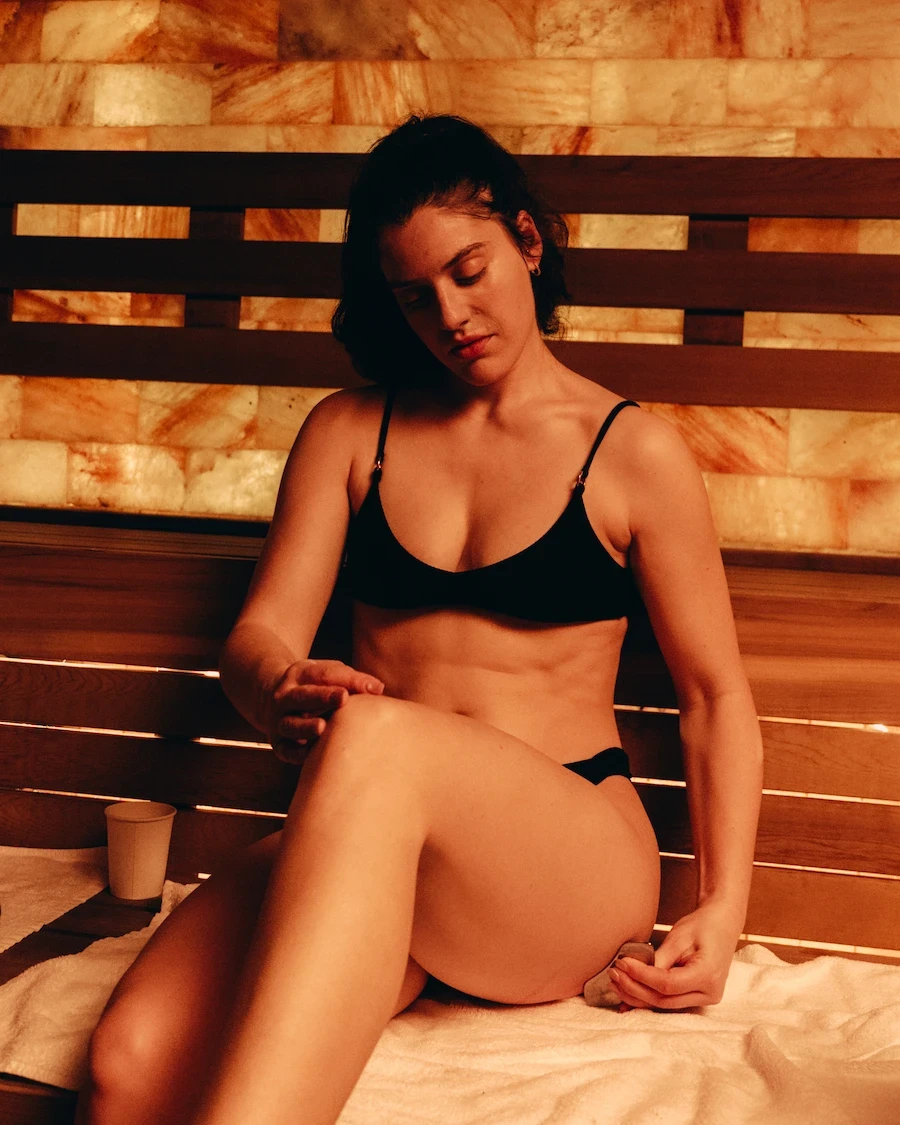
AetherHaus draws on these traditions directly. The Aufguss sauna ritual is performed in darkness with rhythmic towel movements, aroma diffusion, and music that moves through stillness, challenge, and release. It is not a timed protocol. It is an experience that unfolds differently every time.
Listening to Your Body Instead of a Protocol
At AetherHaus, phones and clocks are not part of the experience. This is intentional.
Dave's approach to cold exposure has always been sensation-based: "What they taught us at the Wim Hof camp was that it was not about time. It was about sensation and feeling. Some days I might be in for 30 seconds while other days I am in there for 3, 4, 5 minutes. It was really about a process of learning what my body needed in the moment."
He never measured the temperature. He used 50 ice trays and the goal was simply to get the water cold enough that it felt like a mild stress on the system. Every session was different because every day his body was different.
The Role of Community and Shared Experience
Contrast therapy was historically a communal practice. The banya was a social gathering place. The Finnish sauna was where families connected. The Aufguss ceremony is, by design, a shared ritual.
Something shifts when you sit in heat or step into cold alongside other people. There is a shared vulnerability, a quiet solidarity, that individual practice does not replicate. AetherHaus honours this through group cold plunge pools, the tea lounge, guided sessions like yin yoga and sound journeys, and an environment designed for connection.
No peer-reviewed study has measured this. But anyone who has experienced it knows it is real.

Integration: What Happens After
The transition back to daily life is part of the practice. Rest. Reflection. A cup of tea in a quiet room. Allowing the body to process what it just experienced before re-entering the pace of the outside world.
At AetherHaus, the tea lounge and library exist for exactly this purpose. Integration is not an afterthought. It is the final movement of the practice.
Curious what this feels like? Book a session and find out.
What the Research Does Not Yet Know
Transparency builds trust. Here is where the evidence has gaps.
The Gaps in Current Evidence
The research on contrast therapy is promising but not yet conclusive. A few important limitations deserve mention:
Most studies use hot and cold water baths, not sauna and cold plunge specifically. The findings are related but not identical.
Protocols vary widely across studies, with different temperatures, durations, and frequencies. The overall evidence base for contrast therapy has been characterized as sparse and of low-to-moderate quality, and the "best protocol" remains largely uncertain (WellFounded, 2025).
Much of the sauna research comes from Finnish populations. These findings may not generalize equally across all demographics.
Sex-based differences remain underexplored. A 2025 randomized controlled trial in women found that neither cold nor hot water immersion accelerated recovery from muscle-damaging exercise compared to a control group (WellFounded, 2025).
What This Means for Your Practice
The absence of a "perfect protocol" is not a problem. It is a freedom.
Your body has been responding to heat and cold for far longer than modern science has been measuring it. The research confirms the direction. Your own experience fills in the details.
These practices do not need to become another thing you are "doing right" or tracking in an app. They are an opportunity to slow down, pay attention, and let your body lead.

Getting Started Safely
Who Should Be Cautious
Most healthy adults can safely practice contrast therapy. However, certain conditions warrant a conversation with a healthcare provider first:
Cardiovascular conditions including uncontrolled high blood pressure, heart disease, or recent cardiac events
Pregnancy or suspected pregnancy
Recent surgery or open wounds
Acute illness or fever
Epilepsy or seizure disorders
When in doubt, consult your doctor. This is especially true if you are new to either heat or cold exposure.
Sauna or Cold Plunge First?
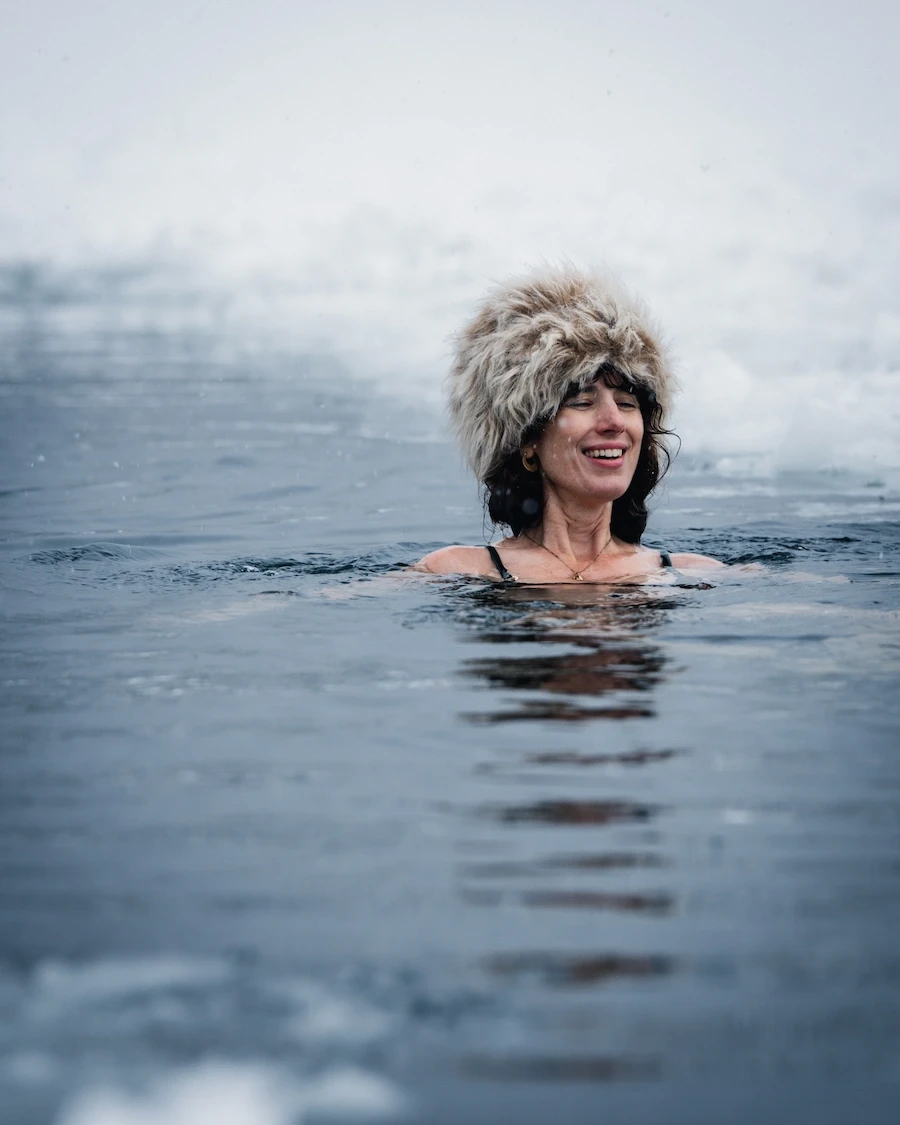
The traditional Nordic approach follows a simple rhythm: heat, cold, rest. Repeat as your body invites you to.
Some people prefer starting with cold for the alertness response, then warming in the sauna afterward. Others find the opposite order more natural. There is no wrong sequence. Explore what feels right for your body.
If you are brand new to cold plunge, starting with sauna can help ease the transition. The warmth relaxes the muscles and prepares your system for the contrast.
Hydration and Basic Preparation
Hydrate before, during, and after your session. You will sweat more than you think.
Bring a swimsuit and a reusable water bottle. At AetherHaus, towels and robes are provided. For a more tailored experience, private bookings are also available.
Key Takeaways
Sauna and cold plunge together support cardiovascular health, reduce inflammation, help the body settle, and may protect cognitive function over time
Cold exposure triggers significant dopamine and norepinephrine release, providing natural mood elevation that can last hours (European Journal of Applied Physiology, 2000)
Frequent sauna use is associated with up to 63% reduced sudden cardiac death risk and 66% reduced Alzheimer's risk in long-term studies (JAMA Internal Medicine, 2015; Age and Ageing, 2017)
Current research is promising but not conclusive. Protocols vary, and much evidence comes from specific populations
The most sustainable approach is sensation-based, not protocol-driven. Your body is the best guide
Experience contrast therapy at AetherHaus, where heat, cold, and community meet. Book a session.
Frequently Asked Questions
Is it good to do sauna and cold plunge?
Research consistently supports the practice for cardiovascular health, mood elevation, inflammation reduction, and recovery. The combination creates a contrast therapy response that strengthens the cardiovascular and nervous systems over time. Most healthy adults can benefit from regular practice.
Should you do sauna or cold plunge first?
The traditional Nordic cycle follows a heat-cold-rest pattern, and this is the most common approach. However, there is no evidence that one order is definitively superior to the other. Try both and pay attention to how your body responds.
How often should you do contrast therapy?
The largest studies observed benefits at higher frequencies, but they did not prescribe a specific number. Rather than fixing a schedule, pay attention to how your body feels. Some weeks you may want to go more often. Other weeks, less. Consistency over time matters more than rigid frequency.
Is contrast therapy good for weight loss?
Cold exposure does acutely raise energy expenditure compared to warm or ambient conditions. However, the effect is modest and should not be relied upon as a weight loss strategy. The real value of contrast therapy lies in cardiovascular health, restoration, and mental clarity, not calorie burning.
Can contrast therapy help with anxiety?
Cold water immersion activates neurotransmitter release (including norepinephrine and beta-endorphins) and teaches the body to move between stress and recovery states. Repeated practice has been associated with reduced cortisol levels (PMC, 2025). Many practitioners report feeling calmer and more grounded after sessions, though clinical trials on anxiety specifically are still limited.
Is it safe to do sauna and cold plunge every day?
For most healthy adults, daily practice is generally safe. The Finnish population, where daily sauna use is common, provides long-term observational evidence supporting this. That said, listen to your body. If you feel depleted, rest. People with cardiovascular conditions, pregnancy, or other medical concerns should consult a healthcare provider.
What is the Nordic cycle?
The Nordic cycle refers to the traditional Scandinavian practice of alternating between heat (sauna), cold (ice swimming, cold plunge, or snow), and rest. This cycle is typically repeated two to three times in a single session. It is the foundational rhythm behind modern contrast therapy.
Do you need a cold plunge to get sauna benefits?
Sauna has well-documented independent benefits for cardiovascular health, immune function, and cognitive protection. You do not need a cold plunge to experience these. However, combining the two creates unique contrast therapy responses, including enhanced vascular training, deeper restoration, and neurotransmitter release, that neither practice produces alone.
Step Into the Practice
Reading about sauna and cold plunge is one thing. Feeling it is another.
At AetherHaus, heat, cold, and community come together in a phone-free space rooted in European sauna traditions. Whether you are brand new or deepening an existing practice, every session meets you where you are.
Book a session and discover what your body already knows.
Combining sauna and cold plunge supports cardiovascular health, reduces inflammation, helps the body settle, and may improve mood and immune function. Research suggests that alternating between heat and cold creates physiological responses that neither practice achieves alone. This is the foundation of contrast therapy, and its roots stretch back centuries across Nordic, Russian, and Germanic sauna traditions.
As someone who has spent over a decade guiding people through heat and cold exposure, Dave Gu, Program Director at AetherHaus and certified Wim Hof Method Instructor, has watched the science evolve alongside thousands of real human experiences. What the research confirms often aligns with what practitioners have felt in their bodies for generations.
These practices are invitations to listen to your body.
What Happens When You Combine Heat and Cold
Understanding the mechanism helps. Not because you need to think about it while you are in the sauna, but because it explains why the combination produces something different from heat or cold alone.
The Vascular Pumping Effect
When you sit in a sauna, your blood vessels dilate. Blood flows toward the surface of your skin, your heart rate rises gently, and your body works to cool itself. When you move into cold water, the opposite happens. Blood vessels constrict, redirecting blood toward your core organs.
This alternation between vasodilation and vasoconstriction creates what researchers describe as a "vascular pumping effect" that improves circulation and metabolic waste clearance (PMC, 2025). An eight-week Finnish sauna bathing protocol also improved arterial compliance in adults with coronary artery disease (Journal of Applied Physiology, 2023).
Your cardiovascular system is essentially getting a workout while you are sitting still.
Hormesis: Why Controlled Stress Builds Resilience
There is an elegant concept at the heart of sauna and cold plunge practice: hormesis. It describes the process by which small, controlled doses of stress trigger protective adaptive responses in the body.
Heat stress activates heat shock proteins (HSPs), which repair damaged proteins, support immune function, and play roles in cell signaling and cell-cycle regulation (ScienceDirect, 2021). HSP70 levels increase approximately 50% after a sauna session and can remain elevated for up to 48 hours (FoundMyFitness, 2025).
Cold stress triggers its own cascade. Norepinephrine floods the system. Anti-inflammatory pathways activate. The body adapts, and over time, it becomes more resilient to stress of all kinds.
Hormesis is the thread connecting every benefit discussed below.
Why the Combination Matters More Than Either Alone
Contrast therapy creates a specific response that single-modality practice does not replicate. Moving between the activation of cold and the recovery of heat and rest teaches the body to shift more fluidly between states.
Repeated sauna and cold water immersion sessions produced a significant decrease in cortisol concentrations in young adult men (PMC, 2025). The stress hormone goes down not because you are avoiding stress, but because your body is learning to move through it.
Dave describes this from years of personal and guided experience: "It was really about a process of learning what my body needed in the moment, as opposed to always sticking to a prescriptive number."
Physical Benefits of Sauna and Cold Plunge
This is where the research is strongest. Decades of population-level studies, randomized controlled trials, and physiological measurements point to consistent physical benefits from regular sauna and cold plunge practice.
Cardiovascular Health
The most robust evidence comes from Finland, where sauna culture is embedded in daily life. In a landmark study following over 2,000 men for more than 20 years, those using a sauna four to seven times per week had a 63% reduced risk of sudden cardiac death and a 50% reduced risk of fatal cardiovascular disease compared to those using it once per week (JAMA Internal Medicine, 2015).
This finding extends beyond men. A 2018 study confirmed that sauna bathing reduced cardiovascular mortality risk in both men and women over a 15-year follow-up period (BMC Medicine, 2018). More recently, researchers found that frequent sauna bathing counteracted the adverse effects of elevated blood pressure on mortality risk (Taylor & Francis, 2024).
You do not need to track sessions to receive these benefits. Consistent presence in the practice matters more than counting.
Inflammation and Immune Response
Chronic inflammation underlies many modern health conditions. Both heat and cold exposure work on this through different pathways.
Regular sauna use is associated with lower levels of C-reactive protein (CRP), a key marker of systemic inflammation, in a dose-response pattern (PMC, 2021). A single Finnish sauna session increased white blood cell, lymphocyte, neutrophil, and basophil counts in both trained and untrained athletes (PubMed, 2023).
Heat shock proteins play a central role here. They repair damaged proteins and prevent the kind of protein aggregation linked to both inflammatory and neurodegenerative conditions (ScienceDirect, 2021).
Dave has spent years living with ankylosing spondylitis, an autoimmune condition. Over time, he noticed his pain softened and his energy steadied through consistent practice. That is one person's experience, not a clinical trial. But it aligns with the direction the research points.
Muscle Recovery and Soreness
If you exercise regularly, this is likely the benefit that first caught your attention. Cold water immersion is one of the most studied recovery tools in sports science.
A 2025 network meta-analysis of 55 randomized controlled trials found that cold water immersion at medium temperatures offers the strongest evidence for reducing delayed-onset muscle soreness (DOMS) (Frontiers in Physiology, 2025). A separate meta-analysis confirmed that cold water immersion was superior to other recovery methods specifically for muscle soreness (Sports Medicine, 2022).
The mechanism involves several pathways:
Reduced fatigue through promoted blood return and clearance of metabolic waste like lactic acid (Frontiers in Physiology, 2025)
Enhanced nutrient delivery through post-cold rebound vasodilation, which increases oxygen supply for muscle regeneration
Decreased inflammatory response at the tissue level
An important caveat: Frequent cold water immersion immediately after resistance training may blunt muscle growth adaptations over time (European Journal of Sport Science, 2024). If building muscle is your primary goal, timing matters. Consider separating your sauna after workout sessions from your heaviest lifting days.
Skin Health and Circulation
Increased blood flow from contrast therapy delivers oxygen and nutrients to the skin. Sweating supports the body's natural detoxification pathways by flushing the pores and promoting turnover at the surface.
This is a real but modest benefit. It is not a replacement for skincare, and the research specific to sauna-plus-cold plunge skin effects remains limited.
Mental and Emotional Benefits
The physical benefits are well-documented. But most people who develop a consistent sauna and cold plunge practice will tell you that the mental and emotional shifts are what keep them coming back.
Dopamine, Norepinephrine, and Natural Mood Elevation
Cold water immersion at 14°C increased plasma norepinephrine by 530% and dopamine by 250% in a foundational study that remains one of the most cited in the field (European Journal of Applied Physiology, 2000). The dopamine increase lasted approximately two hours after exposure, providing a sustained window of elevated mood and alertness (Psychology Today, 2024).
More recent research has expanded the picture. Cold water immersion triggers the release of dopamine, serotonin, cortisol, norepinephrine, and beta-endorphins, all linked to stress and emotion regulation (Journal of Neuropsychiatry, 2025).
Finding Balance Between Activation and Rest
Cold water on the face and neck stimulates the parasympathetic nervous system, while full cold immersion temporarily increases sympathetic activity (Psychology Today, 2024). Moving between heat, cold, and rest teaches your nervous system to shift between these states with greater ease.
An fMRI study showed that cold water immersion increases neural interaction between the prefrontal cortex, insula, and anterior cingulate cortex, brain regions involved in emotional regulation and body awareness (PMC, 2023).
Dave speaks to this from lived experience with autoimmune disease: "Especially with an autoimmune condition, you have to be very mindful of where your nervous system is at each day. Some days I might be in for 30 seconds while other days I am in there for 3, 4, 5 minutes." The practice trained him to read his own body, not follow a script.
Pairing contrast therapy with breathwork techniques can deepen this sense of balance. Meditation serves as another complementary entry point.
Cognitive Health and Neuroprotection
This is where the research becomes especially compelling for long-term practice. In the same Finnish cohort study, men using a sauna four to seven times per week had a 66% reduced risk of dementia and a 65% reduced risk of Alzheimer's disease compared to once-per-week users over a 20.7-year follow-up (Age and Ageing, 2017).
A second large study of nearly 14,000 participants found that sauna bathing 9 to 12 times per month was associated with a 53% reduced dementia risk in the first 20 years of follow-up (Preventive Medicine Reports, 2020).
The mechanism may involve multiple pathways. Sauna-like conditions reduce tau phosphorylation, a key feature of Alzheimer's disease (Brain Research, 2022). Heat shock proteins protect against the protein aggregation common in neurodegenerative diseases (Temperature, 2024).
These are observational findings, not proof of causation. But the consistency across studies, populations, and proposed mechanisms makes cognitive protection one of the most interesting long-term arguments for regular practice.
Depression and Emotional Resilience
A single session of whole-body hyperthermia, raising core temperature to sauna-like levels, alleviated depression through an anti-inflammatory mechanism involving the cytokine IL-6 (FoundMyFitness, 2024). Regular cold water practitioners show different hormonal baselines than non-practitioners, with altered stress hormone profiles and emotional regulation patterns (Applied Sciences, 2025).
Dave reflects on what the practice taught him beyond the physical: "It taught me the importance of patience, to surrender, to be grateful, and to be kind. To myself, and to others. It felt much easier to have compassion for others when you have gone through the ringer yourself."
Beyond the Numbers: The Experience Science Cannot Measure
Most articles about sauna and cold plunge benefits stop at the data. Here is what they miss.
Why Ancient Cultures Never Used Timers
Russian banya, German Aufguss ceremony, Finnish sauna culture, Scandinavian ice swimming. These traditions are hundreds, sometimes thousands, of years old. None of them prescribed minutes and degrees.
They used sensation. Rhythm. The wisdom of the group. The guidance of an experienced practitioner who could read the room, not a thermometer.
AetherHaus draws on these traditions directly. The Aufguss sauna ritual is performed in darkness with rhythmic towel movements, aroma diffusion, and music that moves through stillness, challenge, and release. It is not a timed protocol. It is an experience that unfolds differently every time.
Listening to Your Body Instead of a Protocol
At AetherHaus, phones and clocks are not part of the experience. This is intentional.
Dave's approach to cold exposure has always been sensation-based: "What they taught us at the Wim Hof camp was that it was not about time. It was about sensation and feeling. Some days I might be in for 30 seconds while other days I am in there for 3, 4, 5 minutes. It was really about a process of learning what my body needed in the moment."
He never measured the temperature. He used 50 ice trays and the goal was simply to get the water cold enough that it felt like a mild stress on the system. Every session was different because every day his body was different.
The Role of Community and Shared Experience
Contrast therapy was historically a communal practice. The banya was a social gathering place. The Finnish sauna was where families connected. The Aufguss ceremony is, by design, a shared ritual.
Something shifts when you sit in heat or step into cold alongside other people. There is a shared vulnerability, a quiet solidarity, that individual practice does not replicate. AetherHaus honours this through group cold plunge pools, the tea lounge, guided sessions like yin yoga and sound journeys, and an environment designed for connection.
No peer-reviewed study has measured this. But anyone who has experienced it knows it is real.
Integration: What Happens After
The transition back to daily life is part of the practice. Rest. Reflection. A cup of tea in a quiet room. Allowing the body to process what it just experienced before re-entering the pace of the outside world.
At AetherHaus, the tea lounge and library exist for exactly this purpose. Integration is not an afterthought. It is the final movement of the practice.
Curious what this feels like? Book a session and find out.
What the Research Does Not Yet Know
Transparency builds trust. Here is where the evidence has gaps.
The Gaps in Current Evidence
The research on contrast therapy is promising but not yet conclusive. A few important limitations deserve mention:
Most studies use hot and cold water baths, not sauna and cold plunge specifically. The findings are related but not identical.
Protocols vary widely across studies, with different temperatures, durations, and frequencies. The overall evidence base for contrast therapy has been characterized as sparse and of low-to-moderate quality, and the "best protocol" remains largely uncertain (WellFounded, 2025).
Much of the sauna research comes from Finnish populations. These findings may not generalize equally across all demographics.
Sex-based differences remain underexplored. A 2025 randomized controlled trial in women found that neither cold nor hot water immersion accelerated recovery from muscle-damaging exercise compared to a control group (WellFounded, 2025).
What This Means for Your Practice
The absence of a "perfect protocol" is not a problem. It is a freedom.
Your body has been responding to heat and cold for far longer than modern science has been measuring it. The research confirms the direction. Your own experience fills in the details.
These practices do not need to become another thing you are "doing right" or tracking in an app. They are an opportunity to slow down, pay attention, and let your body lead.
Getting Started Safely
Who Should Be Cautious
Most healthy adults can safely practice contrast therapy. However, certain conditions warrant a conversation with a healthcare provider first:
Cardiovascular conditions including uncontrolled high blood pressure, heart disease, or recent cardiac events
Pregnancy or suspected pregnancy
Recent surgery or open wounds
Acute illness or fever
Epilepsy or seizure disorders
When in doubt, consult your doctor. This is especially true if you are new to either heat or cold exposure.
Sauna or Cold Plunge First?
The traditional Nordic approach follows a simple rhythm: heat, cold, rest. Repeat as your body invites you to.
Some people prefer starting with cold for the alertness response, then warming in the sauna afterward. Others find the opposite order more natural. There is no wrong sequence. Explore what feels right for your body.
If you are brand new to cold plunge, starting with sauna can help ease the transition. The warmth relaxes the muscles and prepares your system for the contrast.
Hydration and Basic Preparation
Hydrate before, during, and after your session. You will sweat more than you think.
Bring a swimsuit and a reusable water bottle. At AetherHaus, towels and robes are provided. For a more tailored experience, private bookings are also available.
Key Takeaways
Sauna and cold plunge together support cardiovascular health, reduce inflammation, help the body settle, and may protect cognitive function over time
Cold exposure triggers significant dopamine and norepinephrine release, providing natural mood elevation that can last hours (European Journal of Applied Physiology, 2000)
Frequent sauna use is associated with up to 63% reduced sudden cardiac death risk and 66% reduced Alzheimer's risk in long-term studies (JAMA Internal Medicine, 2015; Age and Ageing, 2017)
Current research is promising but not conclusive. Protocols vary, and much evidence comes from specific populations
The most sustainable approach is sensation-based, not protocol-driven. Your body is the best guide
Experience contrast therapy at AetherHaus, where heat, cold, and community meet. Book a session.
Frequently Asked Questions
Is it good to do sauna and cold plunge?
Research consistently supports the practice for cardiovascular health, mood elevation, inflammation reduction, and recovery. The combination creates a contrast therapy response that strengthens the cardiovascular and nervous systems over time. Most healthy adults can benefit from regular practice.
Should you do sauna or cold plunge first?
The traditional Nordic cycle follows a heat-cold-rest pattern, and this is the most common approach. However, there is no evidence that one order is definitively superior to the other. Try both and pay attention to how your body responds.
How often should you do contrast therapy?
The largest studies observed benefits at higher frequencies, but they did not prescribe a specific number. Rather than fixing a schedule, pay attention to how your body feels. Some weeks you may want to go more often. Other weeks, less. Consistency over time matters more than rigid frequency.
Is contrast therapy good for weight loss?
Cold exposure does acutely raise energy expenditure compared to warm or ambient conditions. However, the effect is modest and should not be relied upon as a weight loss strategy. The real value of contrast therapy lies in cardiovascular health, restoration, and mental clarity, not calorie burning.
Can contrast therapy help with anxiety?
Cold water immersion activates neurotransmitter release (including norepinephrine and beta-endorphins) and teaches the body to move between stress and recovery states. Repeated practice has been associated with reduced cortisol levels (PMC, 2025). Many practitioners report feeling calmer and more grounded after sessions, though clinical trials on anxiety specifically are still limited.
Is it safe to do sauna and cold plunge every day?
For most healthy adults, daily practice is generally safe. The Finnish population, where daily sauna use is common, provides long-term observational evidence supporting this. That said, listen to your body. If you feel depleted, rest. People with cardiovascular conditions, pregnancy, or other medical concerns should consult a healthcare provider.
What is the Nordic cycle?
The Nordic cycle refers to the traditional Scandinavian practice of alternating between heat (sauna), cold (ice swimming, cold plunge, or snow), and rest. This cycle is typically repeated two to three times in a single session. It is the foundational rhythm behind modern contrast therapy.
Do you need a cold plunge to get sauna benefits?
Sauna has well-documented independent benefits for cardiovascular health, immune function, and cognitive protection. You do not need a cold plunge to experience these. However, combining the two creates unique contrast therapy responses, including enhanced vascular training, deeper restoration, and neurotransmitter release, that neither practice produces alone.
Step Into the Practice
Reading about sauna and cold plunge is one thing. Feeling it is another.
At AetherHaus, heat, cold, and community come together in a phone-free space rooted in European sauna traditions. Whether you are brand new or deepening an existing practice, every session meets you where you are.
Book a session and discover what your body already knows.
Combining sauna and cold plunge supports cardiovascular health, reduces inflammation, helps the body settle, and may improve mood and immune function. Research suggests that alternating between heat and cold creates physiological responses that neither practice achieves alone. This is the foundation of contrast therapy, and its roots stretch back centuries across Nordic, Russian, and Germanic sauna traditions.
As someone who has spent over a decade guiding people through heat and cold exposure, Dave Gu, Program Director at AetherHaus and certified Wim Hof Method Instructor, has watched the science evolve alongside thousands of real human experiences. What the research confirms often aligns with what practitioners have felt in their bodies for generations.
These practices are invitations to listen to your body.
What Happens When You Combine Heat and Cold
Understanding the mechanism helps. Not because you need to think about it while you are in the sauna, but because it explains why the combination produces something different from heat or cold alone.
The Vascular Pumping Effect
When you sit in a sauna, your blood vessels dilate. Blood flows toward the surface of your skin, your heart rate rises gently, and your body works to cool itself. When you move into cold water, the opposite happens. Blood vessels constrict, redirecting blood toward your core organs.
This alternation between vasodilation and vasoconstriction creates what researchers describe as a "vascular pumping effect" that improves circulation and metabolic waste clearance (PMC, 2025). An eight-week Finnish sauna bathing protocol also improved arterial compliance in adults with coronary artery disease (Journal of Applied Physiology, 2023).
Your cardiovascular system is essentially getting a workout while you are sitting still.
Hormesis: Why Controlled Stress Builds Resilience
There is an elegant concept at the heart of sauna and cold plunge practice: hormesis. It describes the process by which small, controlled doses of stress trigger protective adaptive responses in the body.
Heat stress activates heat shock proteins (HSPs), which repair damaged proteins, support immune function, and play roles in cell signaling and cell-cycle regulation (ScienceDirect, 2021). HSP70 levels increase approximately 50% after a sauna session and can remain elevated for up to 48 hours (FoundMyFitness, 2025).
Cold stress triggers its own cascade. Norepinephrine floods the system. Anti-inflammatory pathways activate. The body adapts, and over time, it becomes more resilient to stress of all kinds.
Hormesis is the thread connecting every benefit discussed below.
Why the Combination Matters More Than Either Alone
Contrast therapy creates a specific response that single-modality practice does not replicate. Moving between the activation of cold and the recovery of heat and rest teaches the body to shift more fluidly between states.
Repeated sauna and cold water immersion sessions produced a significant decrease in cortisol concentrations in young adult men (PMC, 2025). The stress hormone goes down not because you are avoiding stress, but because your body is learning to move through it.
Dave describes this from years of personal and guided experience: "It was really about a process of learning what my body needed in the moment, as opposed to always sticking to a prescriptive number."
Physical Benefits of Sauna and Cold Plunge
This is where the research is strongest. Decades of population-level studies, randomized controlled trials, and physiological measurements point to consistent physical benefits from regular sauna and cold plunge practice.
Cardiovascular Health
The most robust evidence comes from Finland, where sauna culture is embedded in daily life. In a landmark study following over 2,000 men for more than 20 years, those using a sauna four to seven times per week had a 63% reduced risk of sudden cardiac death and a 50% reduced risk of fatal cardiovascular disease compared to those using it once per week (JAMA Internal Medicine, 2015).
This finding extends beyond men. A 2018 study confirmed that sauna bathing reduced cardiovascular mortality risk in both men and women over a 15-year follow-up period (BMC Medicine, 2018). More recently, researchers found that frequent sauna bathing counteracted the adverse effects of elevated blood pressure on mortality risk (Taylor & Francis, 2024).
You do not need to track sessions to receive these benefits. Consistent presence in the practice matters more than counting.
Inflammation and Immune Response
Chronic inflammation underlies many modern health conditions. Both heat and cold exposure work on this through different pathways.
Regular sauna use is associated with lower levels of C-reactive protein (CRP), a key marker of systemic inflammation, in a dose-response pattern (PMC, 2021). A single Finnish sauna session increased white blood cell, lymphocyte, neutrophil, and basophil counts in both trained and untrained athletes (PubMed, 2023).
Heat shock proteins play a central role here. They repair damaged proteins and prevent the kind of protein aggregation linked to both inflammatory and neurodegenerative conditions (ScienceDirect, 2021).
Dave has spent years living with ankylosing spondylitis, an autoimmune condition. Over time, he noticed his pain softened and his energy steadied through consistent practice. That is one person's experience, not a clinical trial. But it aligns with the direction the research points.
Muscle Recovery and Soreness
If you exercise regularly, this is likely the benefit that first caught your attention. Cold water immersion is one of the most studied recovery tools in sports science.
A 2025 network meta-analysis of 55 randomized controlled trials found that cold water immersion at medium temperatures offers the strongest evidence for reducing delayed-onset muscle soreness (DOMS) (Frontiers in Physiology, 2025). A separate meta-analysis confirmed that cold water immersion was superior to other recovery methods specifically for muscle soreness (Sports Medicine, 2022).
The mechanism involves several pathways:
Reduced fatigue through promoted blood return and clearance of metabolic waste like lactic acid (Frontiers in Physiology, 2025)
Enhanced nutrient delivery through post-cold rebound vasodilation, which increases oxygen supply for muscle regeneration
Decreased inflammatory response at the tissue level
An important caveat: Frequent cold water immersion immediately after resistance training may blunt muscle growth adaptations over time (European Journal of Sport Science, 2024). If building muscle is your primary goal, timing matters. Consider separating your sauna after workout sessions from your heaviest lifting days.
Skin Health and Circulation
Increased blood flow from contrast therapy delivers oxygen and nutrients to the skin. Sweating supports the body's natural detoxification pathways by flushing the pores and promoting turnover at the surface.
This is a real but modest benefit. It is not a replacement for skincare, and the research specific to sauna-plus-cold plunge skin effects remains limited.
Mental and Emotional Benefits
The physical benefits are well-documented. But most people who develop a consistent sauna and cold plunge practice will tell you that the mental and emotional shifts are what keep them coming back.
Dopamine, Norepinephrine, and Natural Mood Elevation
Cold water immersion at 14°C increased plasma norepinephrine by 530% and dopamine by 250% in a foundational study that remains one of the most cited in the field (European Journal of Applied Physiology, 2000). The dopamine increase lasted approximately two hours after exposure, providing a sustained window of elevated mood and alertness (Psychology Today, 2024).
More recent research has expanded the picture. Cold water immersion triggers the release of dopamine, serotonin, cortisol, norepinephrine, and beta-endorphins, all linked to stress and emotion regulation (Journal of Neuropsychiatry, 2025).
Finding Balance Between Activation and Rest
Cold water on the face and neck stimulates the parasympathetic nervous system, while full cold immersion temporarily increases sympathetic activity (Psychology Today, 2024). Moving between heat, cold, and rest teaches your nervous system to shift between these states with greater ease.
An fMRI study showed that cold water immersion increases neural interaction between the prefrontal cortex, insula, and anterior cingulate cortex, brain regions involved in emotional regulation and body awareness (PMC, 2023).
Dave speaks to this from lived experience with autoimmune disease: "Especially with an autoimmune condition, you have to be very mindful of where your nervous system is at each day. Some days I might be in for 30 seconds while other days I am in there for 3, 4, 5 minutes." The practice trained him to read his own body, not follow a script.
Pairing contrast therapy with breathwork techniques can deepen this sense of balance. Meditation serves as another complementary entry point.
Cognitive Health and Neuroprotection
This is where the research becomes especially compelling for long-term practice. In the same Finnish cohort study, men using a sauna four to seven times per week had a 66% reduced risk of dementia and a 65% reduced risk of Alzheimer's disease compared to once-per-week users over a 20.7-year follow-up (Age and Ageing, 2017).
A second large study of nearly 14,000 participants found that sauna bathing 9 to 12 times per month was associated with a 53% reduced dementia risk in the first 20 years of follow-up (Preventive Medicine Reports, 2020).
The mechanism may involve multiple pathways. Sauna-like conditions reduce tau phosphorylation, a key feature of Alzheimer's disease (Brain Research, 2022). Heat shock proteins protect against the protein aggregation common in neurodegenerative diseases (Temperature, 2024).
These are observational findings, not proof of causation. But the consistency across studies, populations, and proposed mechanisms makes cognitive protection one of the most interesting long-term arguments for regular practice.
Depression and Emotional Resilience
A single session of whole-body hyperthermia, raising core temperature to sauna-like levels, alleviated depression through an anti-inflammatory mechanism involving the cytokine IL-6 (FoundMyFitness, 2024). Regular cold water practitioners show different hormonal baselines than non-practitioners, with altered stress hormone profiles and emotional regulation patterns (Applied Sciences, 2025).
Dave reflects on what the practice taught him beyond the physical: "It taught me the importance of patience, to surrender, to be grateful, and to be kind. To myself, and to others. It felt much easier to have compassion for others when you have gone through the ringer yourself."
Beyond the Numbers: The Experience Science Cannot Measure
Most articles about sauna and cold plunge benefits stop at the data. Here is what they miss.
Why Ancient Cultures Never Used Timers
Russian banya, German Aufguss ceremony, Finnish sauna culture, Scandinavian ice swimming. These traditions are hundreds, sometimes thousands, of years old. None of them prescribed minutes and degrees.
They used sensation. Rhythm. The wisdom of the group. The guidance of an experienced practitioner who could read the room, not a thermometer.
AetherHaus draws on these traditions directly. The Aufguss sauna ritual is performed in darkness with rhythmic towel movements, aroma diffusion, and music that moves through stillness, challenge, and release. It is not a timed protocol. It is an experience that unfolds differently every time.
Listening to Your Body Instead of a Protocol
At AetherHaus, phones and clocks are not part of the experience. This is intentional.
Dave's approach to cold exposure has always been sensation-based: "What they taught us at the Wim Hof camp was that it was not about time. It was about sensation and feeling. Some days I might be in for 30 seconds while other days I am in there for 3, 4, 5 minutes. It was really about a process of learning what my body needed in the moment."
He never measured the temperature. He used 50 ice trays and the goal was simply to get the water cold enough that it felt like a mild stress on the system. Every session was different because every day his body was different.
The Role of Community and Shared Experience
Contrast therapy was historically a communal practice. The banya was a social gathering place. The Finnish sauna was where families connected. The Aufguss ceremony is, by design, a shared ritual.
Something shifts when you sit in heat or step into cold alongside other people. There is a shared vulnerability, a quiet solidarity, that individual practice does not replicate. AetherHaus honours this through group cold plunge pools, the tea lounge, guided sessions like yin yoga and sound journeys, and an environment designed for connection.
No peer-reviewed study has measured this. But anyone who has experienced it knows it is real.
Integration: What Happens After
The transition back to daily life is part of the practice. Rest. Reflection. A cup of tea in a quiet room. Allowing the body to process what it just experienced before re-entering the pace of the outside world.
At AetherHaus, the tea lounge and library exist for exactly this purpose. Integration is not an afterthought. It is the final movement of the practice.
Curious what this feels like? Book a session and find out.
What the Research Does Not Yet Know
Transparency builds trust. Here is where the evidence has gaps.
The Gaps in Current Evidence
The research on contrast therapy is promising but not yet conclusive. A few important limitations deserve mention:
Most studies use hot and cold water baths, not sauna and cold plunge specifically. The findings are related but not identical.
Protocols vary widely across studies, with different temperatures, durations, and frequencies. The overall evidence base for contrast therapy has been characterized as sparse and of low-to-moderate quality, and the "best protocol" remains largely uncertain (WellFounded, 2025).
Much of the sauna research comes from Finnish populations. These findings may not generalize equally across all demographics.
Sex-based differences remain underexplored. A 2025 randomized controlled trial in women found that neither cold nor hot water immersion accelerated recovery from muscle-damaging exercise compared to a control group (WellFounded, 2025).
What This Means for Your Practice
The absence of a "perfect protocol" is not a problem. It is a freedom.
Your body has been responding to heat and cold for far longer than modern science has been measuring it. The research confirms the direction. Your own experience fills in the details.
These practices do not need to become another thing you are "doing right" or tracking in an app. They are an opportunity to slow down, pay attention, and let your body lead.
Getting Started Safely
Who Should Be Cautious
Most healthy adults can safely practice contrast therapy. However, certain conditions warrant a conversation with a healthcare provider first:
Cardiovascular conditions including uncontrolled high blood pressure, heart disease, or recent cardiac events
Pregnancy or suspected pregnancy
Recent surgery or open wounds
Acute illness or fever
Epilepsy or seizure disorders
When in doubt, consult your doctor. This is especially true if you are new to either heat or cold exposure.
Sauna or Cold Plunge First?
The traditional Nordic approach follows a simple rhythm: heat, cold, rest. Repeat as your body invites you to.
Some people prefer starting with cold for the alertness response, then warming in the sauna afterward. Others find the opposite order more natural. There is no wrong sequence. Explore what feels right for your body.
If you are brand new to cold plunge, starting with sauna can help ease the transition. The warmth relaxes the muscles and prepares your system for the contrast.
Hydration and Basic Preparation
Hydrate before, during, and after your session. You will sweat more than you think.
Bring a swimsuit and a reusable water bottle. At AetherHaus, towels and robes are provided. For a more tailored experience, private bookings are also available.
Key Takeaways
Sauna and cold plunge together support cardiovascular health, reduce inflammation, help the body settle, and may protect cognitive function over time
Cold exposure triggers significant dopamine and norepinephrine release, providing natural mood elevation that can last hours (European Journal of Applied Physiology, 2000)
Frequent sauna use is associated with up to 63% reduced sudden cardiac death risk and 66% reduced Alzheimer's risk in long-term studies (JAMA Internal Medicine, 2015; Age and Ageing, 2017)
Current research is promising but not conclusive. Protocols vary, and much evidence comes from specific populations
The most sustainable approach is sensation-based, not protocol-driven. Your body is the best guide
Experience contrast therapy at AetherHaus, where heat, cold, and community meet. Book a session.
Frequently Asked Questions
Is it good to do sauna and cold plunge?
Research consistently supports the practice for cardiovascular health, mood elevation, inflammation reduction, and recovery. The combination creates a contrast therapy response that strengthens the cardiovascular and nervous systems over time. Most healthy adults can benefit from regular practice.
Should you do sauna or cold plunge first?
The traditional Nordic cycle follows a heat-cold-rest pattern, and this is the most common approach. However, there is no evidence that one order is definitively superior to the other. Try both and pay attention to how your body responds.
How often should you do contrast therapy?
The largest studies observed benefits at higher frequencies, but they did not prescribe a specific number. Rather than fixing a schedule, pay attention to how your body feels. Some weeks you may want to go more often. Other weeks, less. Consistency over time matters more than rigid frequency.
Is contrast therapy good for weight loss?
Cold exposure does acutely raise energy expenditure compared to warm or ambient conditions. However, the effect is modest and should not be relied upon as a weight loss strategy. The real value of contrast therapy lies in cardiovascular health, restoration, and mental clarity, not calorie burning.
Can contrast therapy help with anxiety?
Cold water immersion activates neurotransmitter release (including norepinephrine and beta-endorphins) and teaches the body to move between stress and recovery states. Repeated practice has been associated with reduced cortisol levels (PMC, 2025). Many practitioners report feeling calmer and more grounded after sessions, though clinical trials on anxiety specifically are still limited.
Is it safe to do sauna and cold plunge every day?
For most healthy adults, daily practice is generally safe. The Finnish population, where daily sauna use is common, provides long-term observational evidence supporting this. That said, listen to your body. If you feel depleted, rest. People with cardiovascular conditions, pregnancy, or other medical concerns should consult a healthcare provider.
What is the Nordic cycle?
The Nordic cycle refers to the traditional Scandinavian practice of alternating between heat (sauna), cold (ice swimming, cold plunge, or snow), and rest. This cycle is typically repeated two to three times in a single session. It is the foundational rhythm behind modern contrast therapy.
Do you need a cold plunge to get sauna benefits?
Sauna has well-documented independent benefits for cardiovascular health, immune function, and cognitive protection. You do not need a cold plunge to experience these. However, combining the two creates unique contrast therapy responses, including enhanced vascular training, deeper restoration, and neurotransmitter release, that neither practice produces alone.
Step Into the Practice
Reading about sauna and cold plunge is one thing. Feeling it is another.
At AetherHaus, heat, cold, and community come together in a phone-free space rooted in European sauna traditions. Whether you are brand new or deepening an existing practice, every session meets you where you are.
Book a session and discover what your body already knows.
our Blog
our Blog
More insights
More insights
Explore more reflections, guidance, and practical tools to support you.
Explore more reflections, guidance, and practical tools to support you.
The question sounds simple. The answer, it turns out, has as much to do with centuries of tradition as it does with modern research. Here is what the science says, what the cultures who invented sauna bathing actually practise, and how to listen to the only timer that truly matters: your body.
The question sounds simple. The answer, it turns out, has as much to do with centuries of tradition as it does with modern research. Here is what the science says, what the cultures who invented sauna bathing actually practise, and how to listen to the only timer that truly matters: your body.
You have probably seen the claims. Sauna and cold plunge will fix your sleep, burn fat, boost your immune system, and make you feel like a new person. Some of those claims hold up under scrutiny. Others need more context than a social media post can offer.
You have probably seen the claims. Sauna and cold plunge will fix your sleep, burn fat, boost your immune system, and make you feel like a new person. Some of those claims hold up under scrutiny. Others need more context than a social media post can offer.
Your questions.
Answered.
Not sure what to expect? These answers might help you feel more confident as you begin.
Didn’t find your answer? Send us a message — we’ll respond with care and clarity.
What do I need to bring?
Please bring a bathing suit and a reusable water bottle. We provide two towels per guest, shower products, and secure lockers.
What do I need to bring?
Please bring a bathing suit and a reusable water bottle. We provide two towels per guest, shower products, and secure lockers.
Do I need a reservation?
Do I need a reservation?
Walk-ins are welcome, but we recommend booking through our app or website to check availability and join the waitlist.
Where can I park?
Where can I park?
Street parking is limited. We offer valet parking behind AetherHaus from 11:00–23:00. There is also some street parking available on Davie and nearby side streets.
What is Open Haus?
What is Open Haus?
Open Haus is a self-guided circuit through our saunas, plunge pools, and tea lounge. Our guides add essential oils to the stove throughout the day. The atmosphere shifts between silent, casual, and social, depending on the session.
What is your Haus Etiquette?
What is your Haus Etiquette?
Phones must be stored away. Please keep conversation soft, sit or lie on a towel, and move mindfully through the space. We ask that guests respect others’ experience and refrain from bringing outside food or drinks - complimentary tea is provided.
Can I visit if I am pregnant?
Can I visit if I am pregnant?
We advise against hot and cold therapy during pregnancy unless approved by your healthcare provider.
Your questions.
Answered.
Not sure what to expect? These answers might help you feel more confident as you begin.
What do I need to bring?
Please bring a bathing suit and a reusable water bottle. We provide two towels per guest, shower products, and secure lockers.
What do I need to bring?
Please bring a bathing suit and a reusable water bottle. We provide two towels per guest, shower products, and secure lockers.
Do I need a reservation?
Do I need a reservation?
Walk-ins are welcome, but we recommend booking through our app or website to check availability and join the waitlist.
Where can I park?
Where can I park?
Street parking is limited. We offer valet parking behind AetherHaus from 11:00–23:00. There is also some street parking available on Davie and nearby side streets.
What is Open Haus?
What is Open Haus?
Open Haus is a self-guided circuit through our saunas, plunge pools, and tea lounge. Our guides add essential oils to the stove throughout the day. The atmosphere shifts between silent, casual, and social, depending on the session.
What is your Haus Etiquette?
What is your Haus Etiquette?
Phones must be stored away. Please keep conversation soft, sit or lie on a towel, and move mindfully through the space. We ask that guests respect others’ experience and refrain from bringing outside food or drinks - complimentary tea is provided.
Can I visit if I am pregnant?
Can I visit if I am pregnant?
We advise against hot and cold therapy during pregnancy unless approved by your healthcare provider.
Didn’t find your answer? Send us a message — we’ll respond with care and clarity.
Your questions.
Answered.
Not sure what to expect? These answers might help you feel more confident as you begin.
Didn’t find your answer? Send us a message — we’ll respond with care and clarity.
What do I need to bring?
Please bring a bathing suit and a reusable water bottle. We provide two towels per guest, shower products, and secure lockers.
What do I need to bring?
Please bring a bathing suit and a reusable water bottle. We provide two towels per guest, shower products, and secure lockers.
Do I need a reservation?
Do I need a reservation?
Walk-ins are welcome, but we recommend booking through our app or website to check availability and join the waitlist.
Where can I park?
Where can I park?
Street parking is limited. We offer valet parking behind AetherHaus from 11:00–23:00. There is also some street parking available on Davie and nearby side streets.
What is Open Haus?
What is Open Haus?
Open Haus is a self-guided circuit through our saunas, plunge pools, and tea lounge. Our guides add essential oils to the stove throughout the day. The atmosphere shifts between silent, casual, and social, depending on the session.
What is your Haus Etiquette?
What is your Haus Etiquette?
Phones must be stored away. Please keep conversation soft, sit or lie on a towel, and move mindfully through the space. We ask that guests respect others’ experience and refrain from bringing outside food or drinks - complimentary tea is provided.
Can I visit if I am pregnant?
Can I visit if I am pregnant?
We advise against hot and cold therapy during pregnancy unless approved by your healthcare provider.