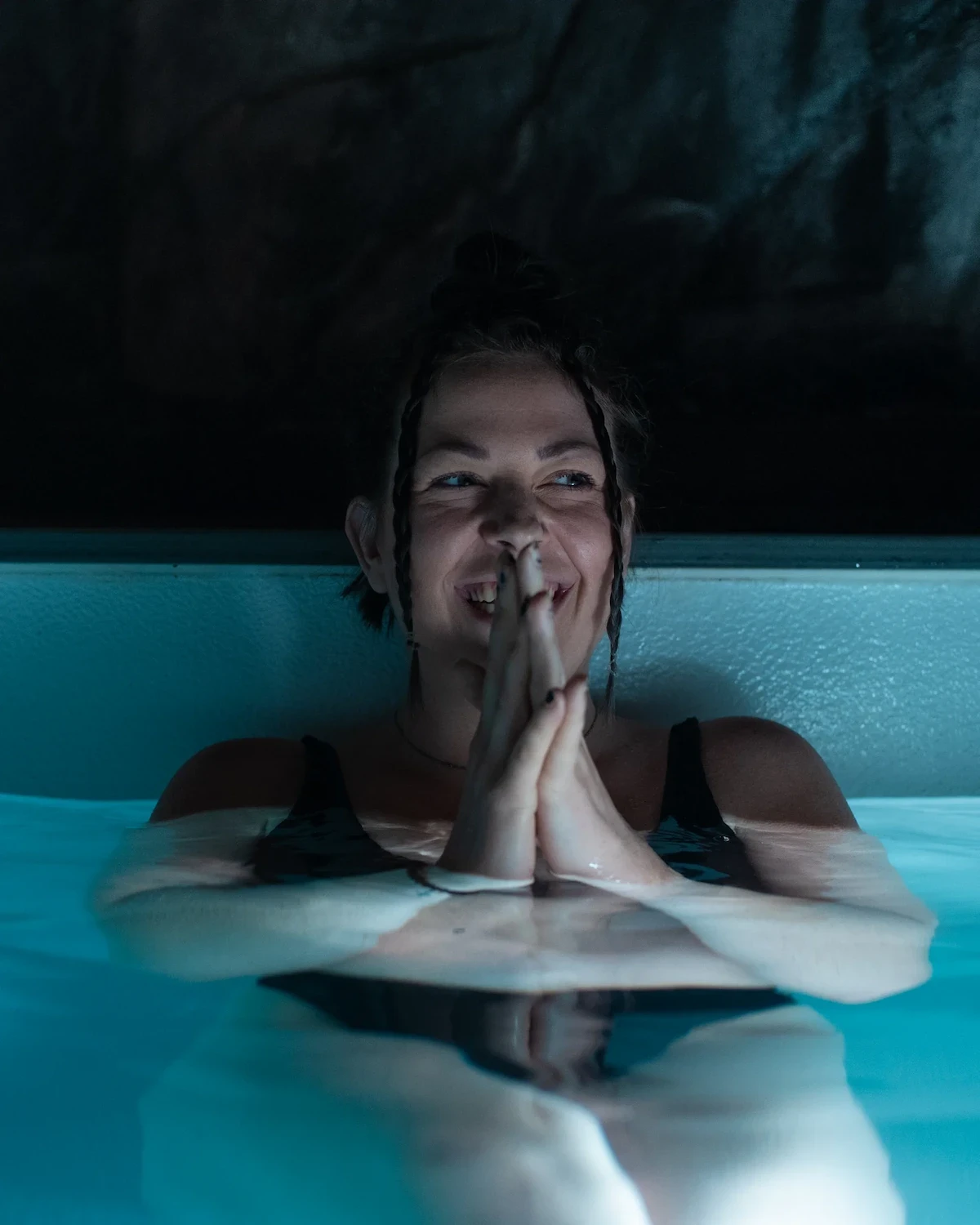
Bathhouse vs Spa: What Actually Separates Them
Bathhouse vs Spa: What Actually Separates Them
A bathhouse sells entry to shared rooms. A spa sells a booked treatment. Here is what separates them, and which one suits your next visit.
A bathhouse sells entry to shared rooms. A spa sells a booked treatment. Here is what separates them, and which one suits your next visit.
Published on:
Published on:
A bathhouse is a shared space built around heat, cold, and rest, where guests move through the rooms at their own pace. A spa is a private room where a practitioner works on you for a booked hour.
Both will leave you better than when you arrived. They ask completely different things of you while you are there, and that difference is the one worth understanding before you book anything.
Here is what separates them, and how to tell which one suits what you are after today.
What a Spa Offers
A spa is built around treatments. You choose a service, book a time, and a practitioner delivers it while you lie still.
The menu is usually familiar. Massage, facials, body treatments, sometimes hands-on therapy aimed at one specific complaint. Each happens in a private room with a door that closes.
The appeal is real and specific. Someone skilled attends to you for a set period, and you are asked to do nothing at all. For tension in one shoulder, or skin that needs attention, this is the right room to be in.
What shapes the visit is the appointment. You arrive for a time, receive a service, and leave. The hour has a beginning and an end that someone else is holding.

What a Bathhouse Offers
A bathhouse sells entry rather than a service. You come in, and the rooms are yours for as long as your session runs.
The circuit
At AetherHaus that means a Himalayan salt sauna, group cold pools set at two temperature ranges, and a tea lounge and library to sit in between. Guests move between them freely. A guide tends the stove with essential oils and steam through the session, though nobody is directing your pace.
There is no order you have to follow. Some guests spend most of the time in the heat. Others sit with tea for long stretches and enter the sauna twice. The choice is yours.
Why the room is shared
Sharing a hot room with strangers is the part most people wonder about, and it is the part almost nobody explains properly.
The room works because everyone in it is doing the same thing. Phones stay in lockers. Voices stay low. You sit or lie on a towel, and you leave the bench the way you would want to find it.
That is close to the whole of it. The etiquette is simple, and it is what makes a shared room feel private enough to settle into. Our guide to sauna etiquette covers the details, and the experience page walks through what a first session looks like.
Most people find the shared room easier than they expected. Nobody is watching. Everyone arrived to be somewhere quiet.
Choosing who you share it with
A shared room does not have to mean strangers. Private bookings hand the whole space to one group for ninety minutes to three hours.
These are built for twenty to thirty guests and upward, led by an AetherHaus instructor. Groups come for corporate gatherings, celebrations, and occasions that suit a room rather than a restaurant table. The session can run as an Aufguss ritual, a sound journey, or yin yoga in the sauna, with catering, a DJ, or venik treatment available on request.
What does not change is how the space works. Guests still move between heat, cold, and rest at their own pace, together. Booking out a bathhouse gives you a room to share with people you chose, and a spa booked for the same group would still be individual treatments behind separate doors.
The Differences That Change Your Visit
Four distinctions matter more than the rest.
Spa | Bathhouse | |
|---|---|---|
What you book | A treatment | Entry for a session |
Who sets the pace | The practitioner | You |
The space | A private room | Shared rooms |
How people use it | Occasionally | Regularly |
Receiving and participating
A spa asks nothing of you. That is the point of it, and on the right day it is exactly what you want.
A bathhouse asks that you pay attention. You decide when the heat has been enough, when to move to the cold, when to sit down. Nobody tells you, and learning to read that is part of the practice.
Neither is more demanding than the other. They simply place the effort in different hands.
Occasion and habit
A spa treatment is booked and delivered one at a time, so most people go for a reason. A birthday, a sore back, a gift card.
A bathhouse tends to become a rhythm instead. Guests come back weekly, or twice weekly, and the visit settles into an ordinary week. That is why bathhouses sell passes and memberships where spas sell treatments, and it is worth thinking about which pattern you actually want from a place. Pass options are built around returning.
The Tradition the Shared Room Comes From
The bathhouse is older than the spa by a wide margin, and in some places it never stopped being ordinary.
In December 2020, UNESCO inscribed Finnish sauna culture on the Representative List of the Intangible Cultural Heritage of Humanity (UNESCO, 2020). The Estonian smoke sauna tradition of Võrumaa had been inscribed six years earlier. These are the same listings that protect regional crafts and oral traditions.
The scale behind that decision is worth sitting with. Around ninety percent of Finns bathe at least weekly, across roughly 3.2 million saunas (Finnish Ministry of Finance, 2020). In a country of five and a half million people, that is close to one sauna for every second person.

Banya and Aufguss
AetherHaus is built on two of these traditions rather than a tour of all of them.
The Russian banya is social by design. People talk, move between heat and cold together, and treat the afternoon as something shared. The German Aufguss sits closer to ceremony, with a guide working steam and scent through the room in waves.
Both place hospitality at the center. Someone is tending the room, and the room is built for more than one person at a time. That is the inheritance a bathhouse carries forward.
Which One Suits What You Are After
Both belong in a week. They answer different questions.
Go to a spa when you want skilled hands on a specific problem, an hour of doing nothing, or a treatment with a clear outcome.
Come to a bathhouse when you want a practice you can return to, time in contrast therapy between heat and cold, or an evening where your phone is somewhere else and the room is quiet.
Plenty of people do both. The only question that matters is what you want from this particular visit.
Who Should Take Care
Heat and cold ask more of the body than a treatment room does, and this is the part most comparisons leave out entirely.
Speak with a healthcare provider before a first visit if you have a cardiovascular condition, high or low blood pressure, or take medication that affects how your body handles heat. The same applies with a seizure disorder or a history of fainting.
AetherHaus advises against hot and cold therapy during pregnancy unless a healthcare provider has approved it.
Most people need none of this. It is still worth knowing which category you are in before you book, since a spa treatment carries none of the same considerations.

Frequently Asked Questions
Is a bathhouse a spa?
No. A bathhouse sells entry to shared heat and cold rooms that you move through yourself, at your own pace. A spa sells booked treatments delivered by a practitioner in a private room. Some venues offer both, though the two experiences remain distinct.
Do you have to be social at a bathhouse?
Not at all. Many bathhouses run sessions with different social settings. At AetherHaus, silent sessions are designed for quiet, while casual and social sessions invite light conversation. You choose the one that suits your mood that day.
What do you wear in a bathhouse?
A bathing suit is standard in most North American bathhouses, and towels are usually provided. Guests bring a swimsuit and a reusable water bottle, and two towels come with the session. Robes and slides are common but rarely required.
Is a bathhouse suitable for a first visit?
Yes. No prior experience is needed and there is no technique to learn beforehand. Guides are present throughout, and moving at your own pace is the expected way to use the space.
Can you go to a bathhouse alone?
Yes, and many guests do. A shared room does not require you to interact with anyone. Arriving alone and keeping to yourself is entirely normal and nobody will find it unusual.
Can you book a bathhouse privately?
Yes. AetherHaus offers private bookings where one group has the whole space, suited to groups of roughly twenty to thirty guests and upward. Sessions run ninety minutes to three hours and are led by an instructor. Programming can be tailored, with catering and other additions available on request.
Key Takeaways
A bathhouse sells entry to shared heat and cold rooms. A spa sells booked treatments delivered in a private room.
A spa asks nothing of you. A bathhouse asks you to set your own pace and share the space with care.
Spa visits tend to be occasions. Bathhouse visits tend to become habits, which is why passes and memberships exist.
Finnish sauna culture was inscribed on the UNESCO intangible cultural heritage list in 2020, with around ninety percent of Finns bathing weekly.
Both have a place. The choice depends on whether you want to receive care or participate in a practice.
A bathhouse is a shared space built around heat, cold, and rest, where guests move through the rooms at their own pace. A spa is a private room where a practitioner works on you for a booked hour.
Both will leave you better than when you arrived. They ask completely different things of you while you are there, and that difference is the one worth understanding before you book anything.
Here is what separates them, and how to tell which one suits what you are after today.
What a Spa Offers
A spa is built around treatments. You choose a service, book a time, and a practitioner delivers it while you lie still.
The menu is usually familiar. Massage, facials, body treatments, sometimes hands-on therapy aimed at one specific complaint. Each happens in a private room with a door that closes.
The appeal is real and specific. Someone skilled attends to you for a set period, and you are asked to do nothing at all. For tension in one shoulder, or skin that needs attention, this is the right room to be in.
What shapes the visit is the appointment. You arrive for a time, receive a service, and leave. The hour has a beginning and an end that someone else is holding.
What a Bathhouse Offers
A bathhouse sells entry rather than a service. You come in, and the rooms are yours for as long as your session runs.
The circuit
At AetherHaus that means a Himalayan salt sauna, group cold pools set at two temperature ranges, and a tea lounge and library to sit in between. Guests move between them freely. A guide tends the stove with essential oils and steam through the session, though nobody is directing your pace.
There is no order you have to follow. Some guests spend most of the time in the heat. Others sit with tea for long stretches and enter the sauna twice. The choice is yours.
Why the room is shared
Sharing a hot room with strangers is the part most people wonder about, and it is the part almost nobody explains properly.
The room works because everyone in it is doing the same thing. Phones stay in lockers. Voices stay low. You sit or lie on a towel, and you leave the bench the way you would want to find it.
That is close to the whole of it. The etiquette is simple, and it is what makes a shared room feel private enough to settle into. Our guide to sauna etiquette covers the details, and the experience page walks through what a first session looks like.
Most people find the shared room easier than they expected. Nobody is watching. Everyone arrived to be somewhere quiet.
Choosing who you share it with
A shared room does not have to mean strangers. Private bookings hand the whole space to one group for ninety minutes to three hours.
These are built for twenty to thirty guests and upward, led by an AetherHaus instructor. Groups come for corporate gatherings, celebrations, and occasions that suit a room rather than a restaurant table. The session can run as an Aufguss ritual, a sound journey, or yin yoga in the sauna, with catering, a DJ, or venik treatment available on request.
What does not change is how the space works. Guests still move between heat, cold, and rest at their own pace, together. Booking out a bathhouse gives you a room to share with people you chose, and a spa booked for the same group would still be individual treatments behind separate doors.
The Differences That Change Your Visit
Four distinctions matter more than the rest.
Spa | Bathhouse | |
|---|---|---|
What you book | A treatment | Entry for a session |
Who sets the pace | The practitioner | You |
The space | A private room | Shared rooms |
How people use it | Occasionally | Regularly |
Receiving and participating
A spa asks nothing of you. That is the point of it, and on the right day it is exactly what you want.
A bathhouse asks that you pay attention. You decide when the heat has been enough, when to move to the cold, when to sit down. Nobody tells you, and learning to read that is part of the practice.
Neither is more demanding than the other. They simply place the effort in different hands.
Occasion and habit
A spa treatment is booked and delivered one at a time, so most people go for a reason. A birthday, a sore back, a gift card.
A bathhouse tends to become a rhythm instead. Guests come back weekly, or twice weekly, and the visit settles into an ordinary week. That is why bathhouses sell passes and memberships where spas sell treatments, and it is worth thinking about which pattern you actually want from a place. Pass options are built around returning.
The Tradition the Shared Room Comes From
The bathhouse is older than the spa by a wide margin, and in some places it never stopped being ordinary.
In December 2020, UNESCO inscribed Finnish sauna culture on the Representative List of the Intangible Cultural Heritage of Humanity (UNESCO, 2020). The Estonian smoke sauna tradition of Võrumaa had been inscribed six years earlier. These are the same listings that protect regional crafts and oral traditions.
The scale behind that decision is worth sitting with. Around ninety percent of Finns bathe at least weekly, across roughly 3.2 million saunas (Finnish Ministry of Finance, 2020). In a country of five and a half million people, that is close to one sauna for every second person.
Banya and Aufguss
AetherHaus is built on two of these traditions rather than a tour of all of them.
The Russian banya is social by design. People talk, move between heat and cold together, and treat the afternoon as something shared. The German Aufguss sits closer to ceremony, with a guide working steam and scent through the room in waves.
Both place hospitality at the center. Someone is tending the room, and the room is built for more than one person at a time. That is the inheritance a bathhouse carries forward.
Which One Suits What You Are After
Both belong in a week. They answer different questions.
Go to a spa when you want skilled hands on a specific problem, an hour of doing nothing, or a treatment with a clear outcome.
Come to a bathhouse when you want a practice you can return to, time in contrast therapy between heat and cold, or an evening where your phone is somewhere else and the room is quiet.
Plenty of people do both. The only question that matters is what you want from this particular visit.
Who Should Take Care
Heat and cold ask more of the body than a treatment room does, and this is the part most comparisons leave out entirely.
Speak with a healthcare provider before a first visit if you have a cardiovascular condition, high or low blood pressure, or take medication that affects how your body handles heat. The same applies with a seizure disorder or a history of fainting.
AetherHaus advises against hot and cold therapy during pregnancy unless a healthcare provider has approved it.
Most people need none of this. It is still worth knowing which category you are in before you book, since a spa treatment carries none of the same considerations.
Frequently Asked Questions
Is a bathhouse a spa?
No. A bathhouse sells entry to shared heat and cold rooms that you move through yourself, at your own pace. A spa sells booked treatments delivered by a practitioner in a private room. Some venues offer both, though the two experiences remain distinct.
Do you have to be social at a bathhouse?
Not at all. Many bathhouses run sessions with different social settings. At AetherHaus, silent sessions are designed for quiet, while casual and social sessions invite light conversation. You choose the one that suits your mood that day.
What do you wear in a bathhouse?
A bathing suit is standard in most North American bathhouses, and towels are usually provided. Guests bring a swimsuit and a reusable water bottle, and two towels come with the session. Robes and slides are common but rarely required.
Is a bathhouse suitable for a first visit?
Yes. No prior experience is needed and there is no technique to learn beforehand. Guides are present throughout, and moving at your own pace is the expected way to use the space.
Can you go to a bathhouse alone?
Yes, and many guests do. A shared room does not require you to interact with anyone. Arriving alone and keeping to yourself is entirely normal and nobody will find it unusual.
Can you book a bathhouse privately?
Yes. AetherHaus offers private bookings where one group has the whole space, suited to groups of roughly twenty to thirty guests and upward. Sessions run ninety minutes to three hours and are led by an instructor. Programming can be tailored, with catering and other additions available on request.
Key Takeaways
A bathhouse sells entry to shared heat and cold rooms. A spa sells booked treatments delivered in a private room.
A spa asks nothing of you. A bathhouse asks you to set your own pace and share the space with care.
Spa visits tend to be occasions. Bathhouse visits tend to become habits, which is why passes and memberships exist.
Finnish sauna culture was inscribed on the UNESCO intangible cultural heritage list in 2020, with around ninety percent of Finns bathing weekly.
Both have a place. The choice depends on whether you want to receive care or participate in a practice.
our Blog
our Blog
More insights
More insights
Explore more reflections, guidance, and practical tools to support you.
Explore more reflections, guidance, and practical tools to support you.
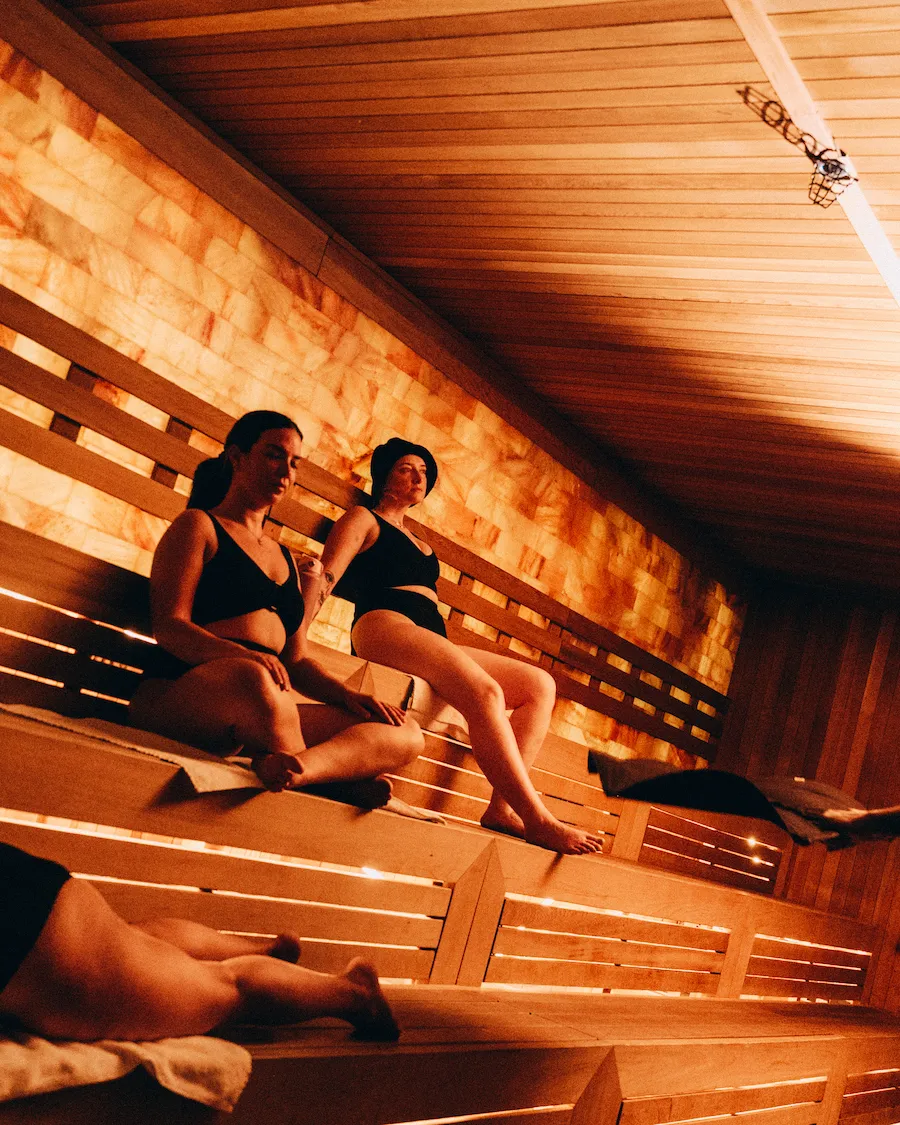
Most sauna frequency advice is written for people who own one. Here is what the research found, and how to build a practice you can hold for a year.
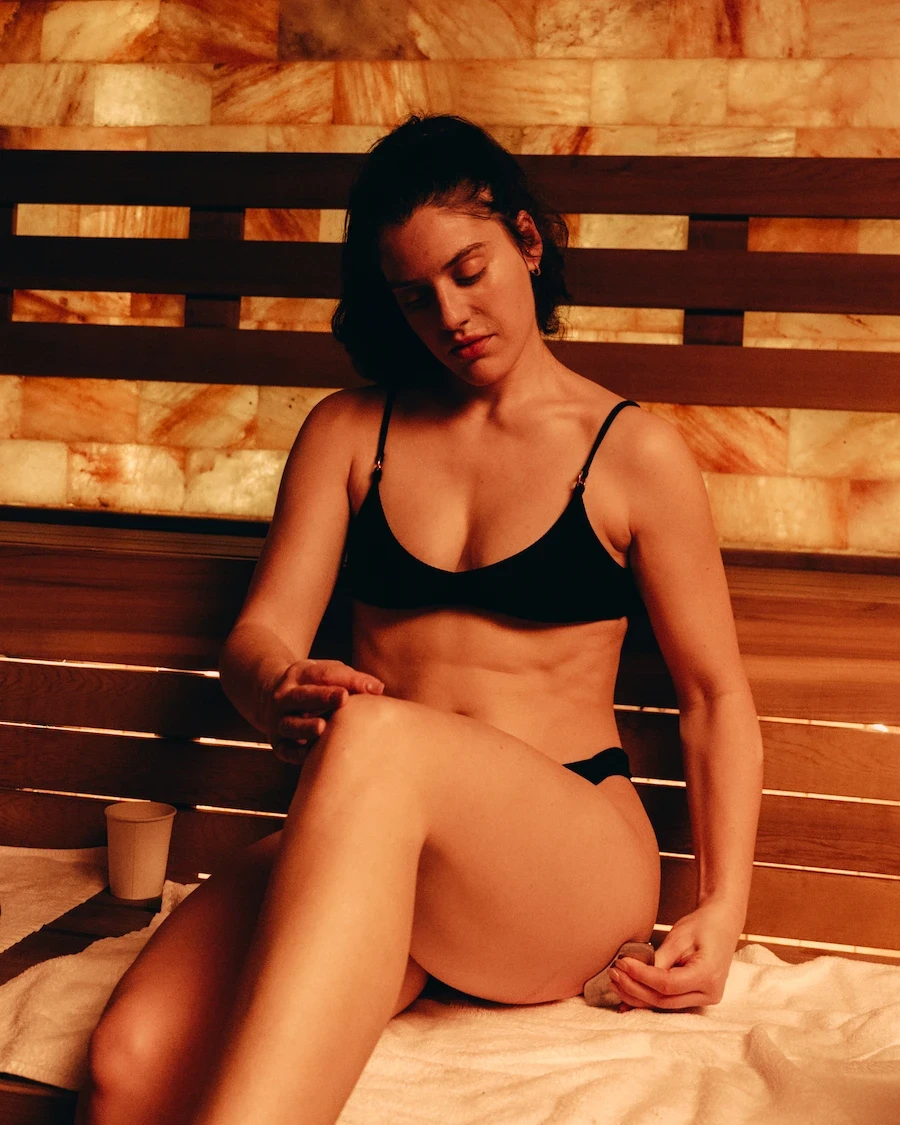
You have a hot sauna on one side and a cold pool on the other. The only real question most people have is which one to finish on. It sounds small, but the order changes what the practice does for you, and there is a reason nearly every heat tradition on earth settled on the same answer.
You have a hot sauna on one side and a cold pool on the other. The only real question most people have is which one to finish on. It sounds small, but the order changes what the practice does for you, and there is a reason nearly every heat tradition on earth settled on the same answer.
Your questions.
Answered.
Not sure what to expect? These answers might help you feel more confident as you begin.
Didn’t find your answer? Send us a message, we’ll respond with care and clarity.
What is a modern bathhouse?
A modern bathhouse keeps the architecture of the old idea, hot room, cold water, somewhere to rest, and lets the rhythm of the city around it shape the rest. Ours is built for Vancouver, on Davie Street, in the West End.
What is a modern bathhouse?
A modern bathhouse keeps the architecture of the old idea, hot room, cold water, somewhere to rest, and lets the rhythm of the city around it shape the rest. Ours is built for Vancouver, on Davie Street, in the West End.
Is the cold plunge at your bathhouse communal?
Is the cold plunge at your bathhouse communal?
Yes. Our cold pools are shared, with multiple temperature options so you can find one that meets you where you are. Communal plunging is part of what makes a bathhouse a bathhouse.
Is the bathhouse a welcoming space for the queer community?
Is the bathhouse a welcoming space for the queer community?
Yes. The West End is home to us and to our queer neighbours, and the bathhouse is built for everyone who walks in. We also host queer nights on a regular rotation, which you can find on the Classes calendar.
What's the etiquette inside the bathhouse?
What's the etiquette inside the bathhouse?
Phones stay in lockers. Voices stay low. Sit or lie on a towel inside the sauna, move at your own pace between rooms, and leave the space the way you'd want to find it. The room works because everyone in it is paying a little attention.
Do you offer Russian Banya at the bathhouse?
Do you offer Russian Banya at the bathhouse?
We run banya-inspired programming including venik work on select dates. The full ritual has its own page if you want to read about it before you book.
Do I need to book ahead, or can I walk in?
Do I need to book ahead, or can I walk in?
Walk-ins are welcome based on availability, but most guests book ahead through our app or website to lock in their preferred session time.
Your questions.
Answered.
Not sure what to expect? These answers might help you feel more confident as you begin.
What do I need to bring?
Please bring a bathing suit and a reusable water bottle. We provide two towels per guest, shower products, and secure lockers.
What do I need to bring?
Please bring a bathing suit and a reusable water bottle. We provide two towels per guest, shower products, and secure lockers.
Do I need a reservation?
Do I need a reservation?
Walk-ins are welcome, but we recommend booking through our app or website to check availability and join the waitlist.
Where can I park?
Where can I park?
Street parking is limited. We offer valet parking behind AetherHaus from 11:00–23:00. There is also some street parking available on Davie and nearby side streets.
What is Open Haus?
What is Open Haus?
Open Haus is a self-guided circuit through our saunas, plunge pools, and tea lounge. Our guides add essential oils to the stove throughout the day. The atmosphere shifts between silent, casual, and social, depending on the session.
What is your Haus Etiquette?
What is your Haus Etiquette?
Phones must be stored away. Please keep conversation soft, sit or lie on a towel, and move mindfully through the space. We ask that guests respect others’ experience and refrain from bringing outside food or drinks - complimentary tea is provided.
Can I visit if I am pregnant?
Can I visit if I am pregnant?
We advise against hot and cold therapy during pregnancy unless approved by your healthcare provider.
Didn’t find your answer? Send us a message, we’ll respond with care and clarity.
Your questions.
Answered.
Not sure what to expect? These answers might help you feel more confident as you begin.
Didn’t find your answer? Send us a message, we’ll respond with care and clarity.
What is a modern bathhouse?
A modern bathhouse keeps the architecture of the old idea, hot room, cold water, somewhere to rest, and lets the rhythm of the city around it shape the rest. Ours is built for Vancouver, on Davie Street, in the West End.
What is a modern bathhouse?
A modern bathhouse keeps the architecture of the old idea, hot room, cold water, somewhere to rest, and lets the rhythm of the city around it shape the rest. Ours is built for Vancouver, on Davie Street, in the West End.
Is the cold plunge at your bathhouse communal?
Is the cold plunge at your bathhouse communal?
Yes. Our cold pools are shared, with multiple temperature options so you can find one that meets you where you are. Communal plunging is part of what makes a bathhouse a bathhouse.
Is the bathhouse a welcoming space for the queer community?
Is the bathhouse a welcoming space for the queer community?
Yes. The West End is home to us and to our queer neighbours, and the bathhouse is built for everyone who walks in. We also host queer nights on a regular rotation, which you can find on the Classes calendar.
What's the etiquette inside the bathhouse?
What's the etiquette inside the bathhouse?
Phones stay in lockers. Voices stay low. Sit or lie on a towel inside the sauna, move at your own pace between rooms, and leave the space the way you'd want to find it. The room works because everyone in it is paying a little attention.
Do you offer Russian Banya at the bathhouse?
Do you offer Russian Banya at the bathhouse?
We run banya-inspired programming including venik work on select dates. The full ritual has its own page if you want to read about it before you book.
Do I need to book ahead, or can I walk in?
Do I need to book ahead, or can I walk in?
Walk-ins are welcome based on availability, but most guests book ahead through our app or website to lock in their preferred session time.